

Shows Like The Middle: 10 Sitcoms About Families Just Trying to Get By
If you miss the Heck family's chaotic warmth, these sitcoms deliver the same everyday struggles, flawed parents, and hard-earned laughs.
KinoShelf Journal · · 8 min read
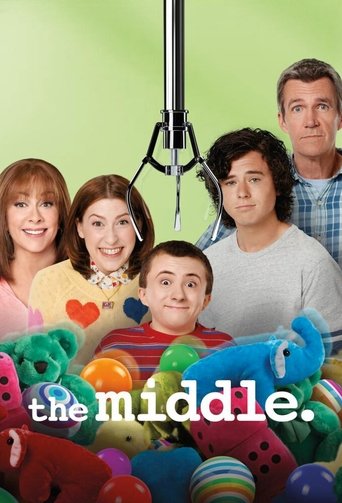
The closest shows to The Middle are Malcolm in the Middle, Raising Hope, and Everybody Hates Chris: each builds its comedy around overworked parents, household budgets stretched thin, and kids who stumble through real-world awkwardness. The key is finding a series where everyday friction matters more than clean punchlines, letting you watch a family survive small losses without losing affection for one another.
- Closest spiritual match: Malcolm in the Middle, capturing the exhaustion of parents outnumbered by their sons.
- Best working-class heart: Raising Hope, trading middle-class suburban grind for small-town community survival.
- Strongest coming-of-age realism: Everybody Hates Chris, grounding teenage embarrassment in strict, hard-working parenting.
- Best long-haul character growth: Young Sheldon, balancing Texas family friction with a quirky kid in a small town.
Closest to the Heck feeling: Chaos on a budget
The primary appeal of The Middle is watching a family that never gets the win, where every small victory is immediately cancelled out by a leaking ceiling or an overdue bill. These titles replicate that exact dynamic: tired adults, eccentric kids, and a household held together by sheer persistence.
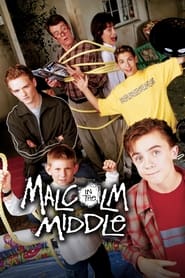
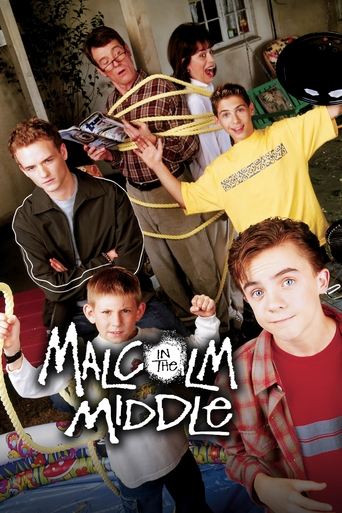
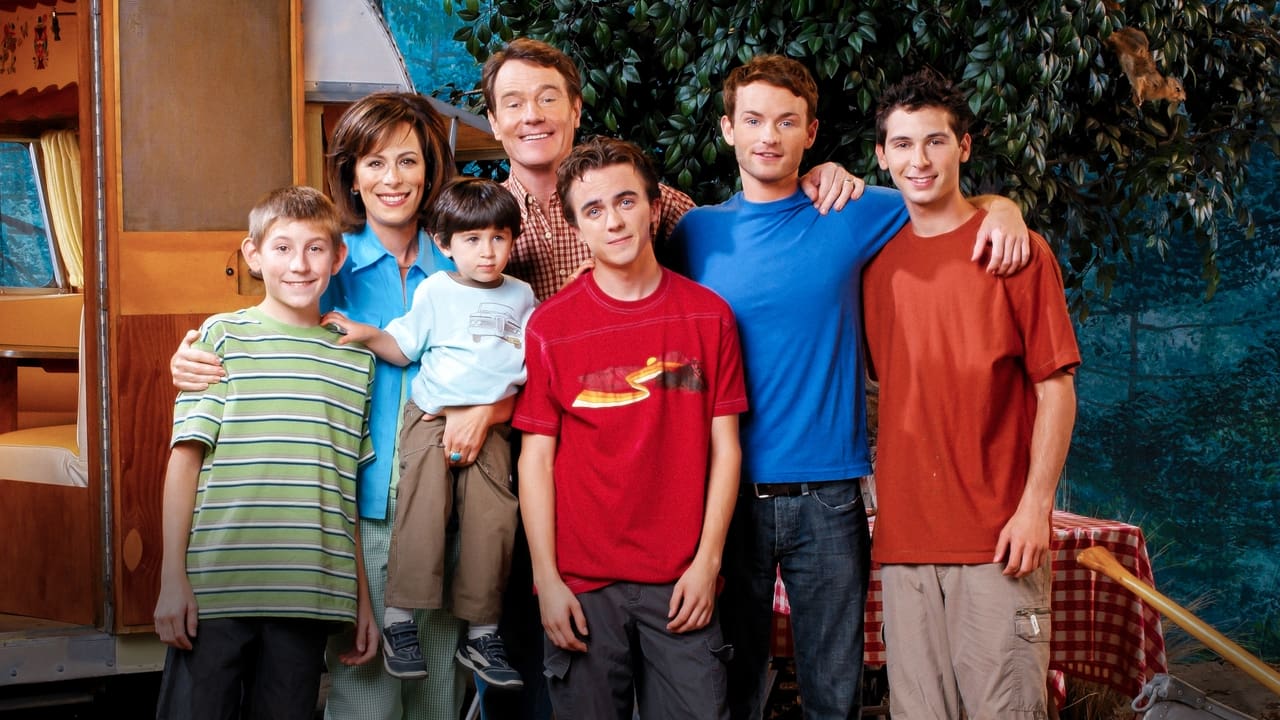
Malcolm in the Middle (2000) is the most direct cousin to the Heck household, sharing seven seasons of relentless domestic triage. Both shows focus on parents who are visibly drained by their children, but where Mike and Frankie Heck lean into quiet resignation, Hal and Lois match their boys with loud, manic fury. The series breaks the fourth wall to highlight Malcolm's struggle with his own gifted mind inside a dysfunctional household, setting up a sharp contrast between individual ambition and chaotic family loyalty. It works as a natural companion to The Middle, though the two handle exhaustion in very different registers.
Its seven single-camera seasons move fast and need no background knowledge. The adjustment is the volume: after Frankie's sighs, Lois's shouting takes an episode or two to settle into.
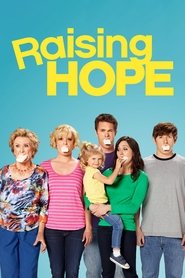
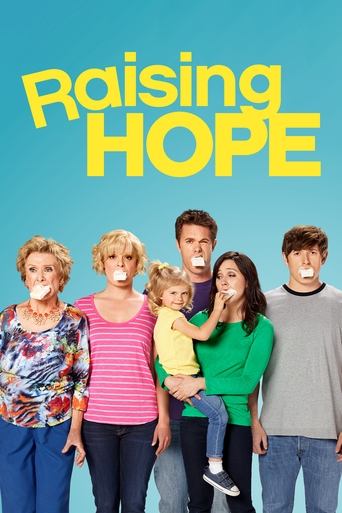
Raising Hope (2010) leans into the genuine warmth of a family running entirely on improvisational survival. Over four seasons created by Greg Garcia, the Chance household steps in to help twenty-four-year-old Jimmy raise an unexpected baby, relying on eccentric grandparents and pooled low-wage paychecks. Like The Middle, it treats financial precarity as a daily reality rather than a one-off special episode, finding humor in odd jobs and pooled paychecks.
The main difference lies in its surreal streak: the Chances are far weirder and more optimistic than the perpetually tired Hecks. That weirdness is the charm or the dealbreaker, but the loyalty underneath it is pure Heck, and the four seasons stay light on high-stakes drama.
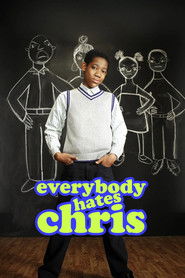
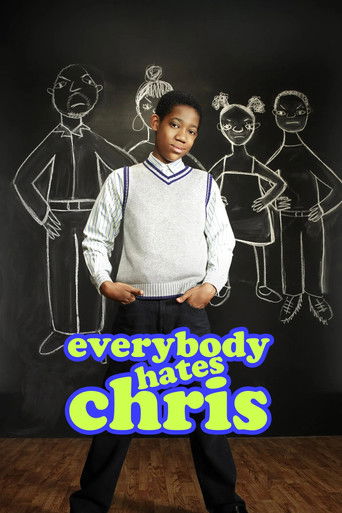
Everybody Hates Chris (2005) captures the specific strain of being the responsible older sibling in a home where every dollar has a name. Running for four seasons, the series follows teenage Chris navigating 1980s Brooklyn alongside two hard-working parents who keep a strict lid on household chaos. Like Frankie and Mike, Rochelle and Julius are motivated by practical survival, balancing parental love with strict rules because they simply cannot afford mistakes. It uses stylized narration and quick fantasy cuts rather than the observational realism of Indiana, but the emotional core remains completely grounded.
The fantasy cutaways are the only real stylistic leap away from Orson; the money worries at the dinner table feel familiar from the first scene, and the four seasons move at a rapid clip.
Families where money shapes the jokes
A core rule of the Heck home was that broken appliances stayed broken. These picks explore households where financial constraints directly dictate the comedy, and if that is the part you miss most, there is a whole list of sitcoms where the rent is the villain.

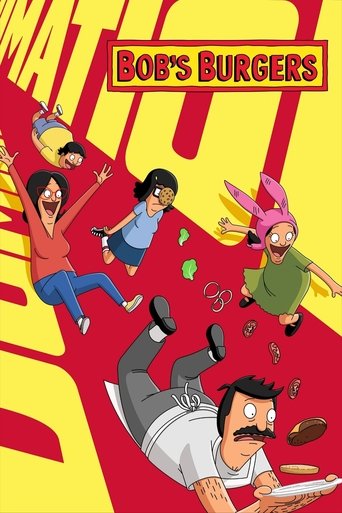
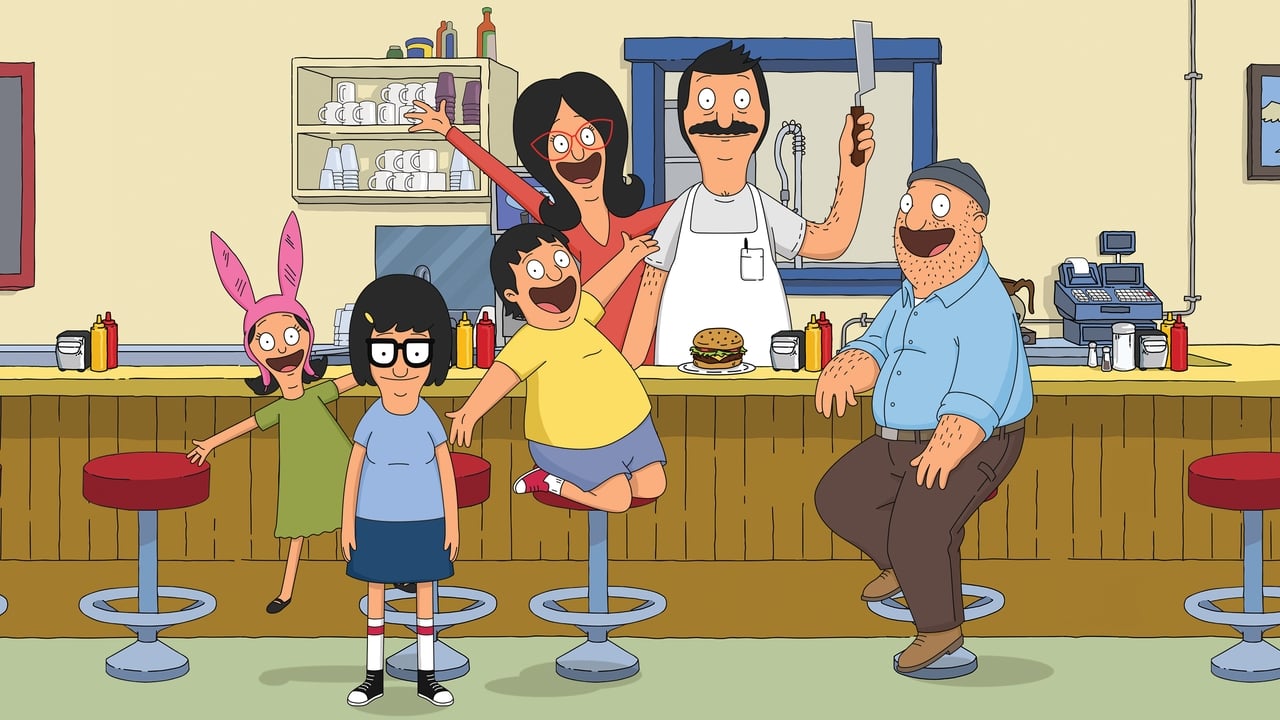
Bob's Burgers (2011) operates on the exact same economic edge as The Middle, focusing on a seaside burger restaurant that is always one slow week away from catastrophe. Across sixteen seasons, Bob and Linda Belcher manage three intensely strange children who mirror the Heck kids: an awkward eldest daughter trying to figure out social life, a theatrical middle child, and an eccentric youngest kid marching to an odd beat. Unlike a live-action show, the animation keeps the Belchers frozen at the same ages, but the family solidarity is absolute.
At sixteen seasons it is the longest stay on this list and the most forgiving one: drop into almost any episode and the Belchers are exactly where you left them.
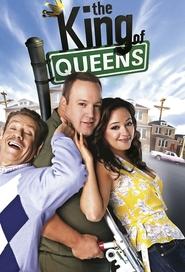
The King of Queens (1998) brings the working-class grind to a traditional multi-camera setup across nine seasons. Focusing on parcel delivery driver Doug Heffernan and his wife Carrie, the show finds its humor in mundane domestic irritations, cramped living quarters, and sudden expenses. It lacks the coming-of-age focus of The Middle, centering instead on a marriage tested by an eccentric live-in father-in-law and the daily fatigue of physical labor.
Nine seasons of classic multi-cam rhythm, easy to dip in and out of. What it will not give you is kids growing up, because the show was never about them.
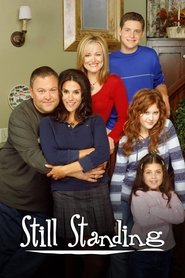
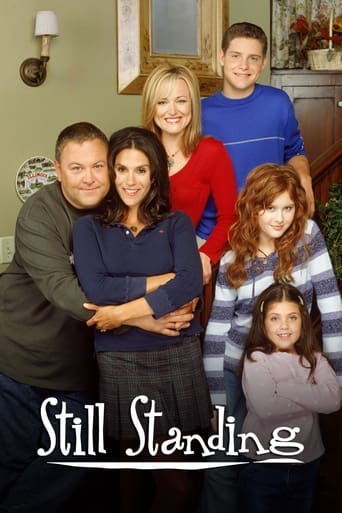
Still Standing (2002) is built around parents who are openly flawed and tired of pretending otherwise. Across four seasons, Bill and Judy Miller raise three kids in Chicago with an unapologetically practical, hands-off parenting style that feels cut from the same cloth as Mike and Frankie Heck. They refuse to be aspirational role models, preferring to get through the day with as little extra effort as possible while steering their kids away from obvious disaster.
It differs from The Middle by staying strictly within multi-camera conventions and focusing more on marital sparring. It is the plainest show here, early-2000s laughs about tired parents, and at four seasons the easiest to finish.
Kids who grow up on screen
Part of the emotional investment in The Middle comes from watching Axl, Sue, and Brick visibly age, stumble through adolescence, and enter young adulthood. These comedies demand a long-term commitment and reward you with genuine character evolution.
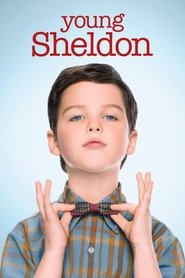
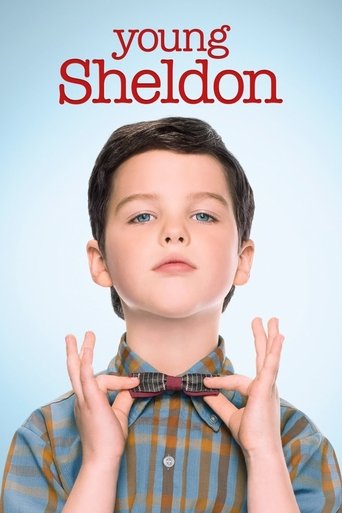
Young Sheldon (2017) tracks a family anchored in a specific regional identity over seven seasons, balancing the presence of an intellectual outlier with the daily needs of ordinary siblings. The Cooper household in East Texas operates with the same dry, grounded perspective seen in Orson, Indiana, where the parents manage tight funds, local community expectations, and mismatched personalities. While Sheldon's intellect drives the external plot, the emotional engine belongs to his siblings, who deal with being overlooked in ways that mirror Sue and Axl.
The seven seasons make a complete, well-paced arc, and the adult narrator's voiceover does for the Coopers what Frankie's narration did for the Hecks.


The Goldbergs (2013) follows three siblings moving through childhood and high school across ten seasons in 1980s Pennsylvania. Like The Middle, it relies heavily on sibling rivalries, loud household arguments, and a mother whose aggressive dedication to her children dominates the household. It is far louder and more nostalgic than the understated Heck life, but it delivers the same satisfaction of seeing kids physically grow into young adults over a decade of television.
Ten seasons is a real investment and the volume stays high throughout; the payoff is the same slow pleasure The Middle offers, watching kids turn into adults one school year at a time.
Louder, sharper suburban cousins
These selections keep the core focus on family friction and awkward kids, but shift the aesthetic into wealthier neighborhoods or more satirical tones.

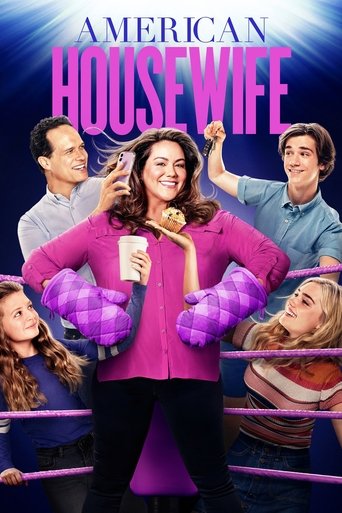
American Housewife (2016) channels Frankie Heck's inner frustration and turns it outward into suburban combat. Over five seasons, Katie Otto navigates raising three quirky children in an affluent Connecticut town, openly refusing to conform to the polished expectations of her wealthy neighbors. Like The Middle, it finds its laughs in oddball kids, social awkwardness, and a mother holding the domestic line through stubborn willpower, though the family has a higher standard of living than the Hecks.
Five brisk seasons, and the narrator is the draw: where Frankie shrugs, Katie argues back.


Modern Family (2009) aired alongside The Middle for years, offering an expansive mockumentary view of suburban life across eleven seasons. The three branches of the Pritchett-Dunphy clan are substantially wealthier than the Hecks, meaning money rarely acts as the obstacle, but the everyday parenting failures and sibling personality clashes are just as prominent. It trades middle-American isolation for interconnected suburban farce and polished pacing.
Eleven seasons, so plan on a long stay. If the Hecks' money worries were what made them feel real, this is the one pick where nobody is checking the bank balance.
How to choose your next family comedy
To pick the right path after nine seasons with the Hecks, decide which element of their household you want to keep:
- For the closest tone and budget struggles: Start with Malcolm in the Middle for chaotic brother dynamics or Raising Hope for warm, eccentric small-town survival.
- For generational growth: Choose Young Sheldon or The Goldbergs, where oddball kids find their place in the world over many years. If it was Sue you fell for, there is a longer look at why Sue Heck never stopped trying, and Brick gets his own in the label The Middle never gave him.
- For short commitments: Everybody Hates Chris and Still Standing both wrap their runs in four seasons, providing fast, grounded laughs without a multi-year investment.