

7 Blue-Collar Sitcoms Where Money Actually Matters
If you miss the grounded financial reality of The Middle, these 7 comedies trade bottomless bank accounts for broken appliances and budget stress.
KinoShelf Journal · · 4 min read
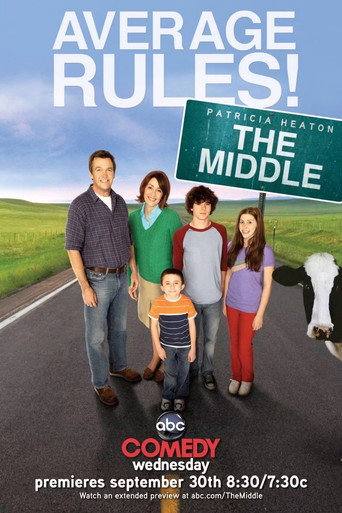
The most accurate portrayals of working-class financial stress on television are Roseanne, Malcolm in the Middle, and Everybody Hates Chris, where the lack of money drives the plot rather than serving as background dressing. Like The Middle, these series understand that broken appliances stay broken, utility bills dictate the thermostat, and extra shifts replace family dinners.
- Closest in spirit: Malcolm in the Middle, for the sheer chaos of raising kids on a tight budget.
- Best for the daily grind: Superstore, which moves the financial pressure from the living room to the break room.
- The cynical extreme: Married... with Children, if you want pure bitterness instead of family warmth.
Families Built Around the Budget
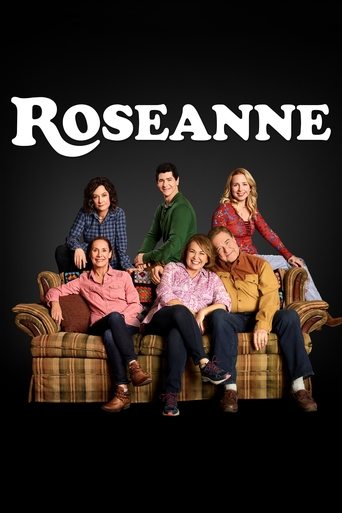
Roseanne (1988) set the modern standard for sitcoms where the threat of having the power shut off is a genuine plot point rather than a one-off joke. The series grounds its comedy in the material reality of a limited income, showing parents who are constantly calculating which bills can be deferred and which generic groceries to buy. The humor comes directly from the stress of patching together a life when nothing is easy.
Ten seasons, carried by the chemistry and shared exhaustion of its central couple, and still the show every later blue-collar family comedy gets measured against.
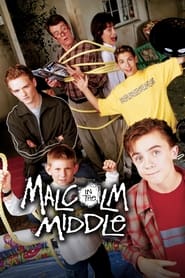
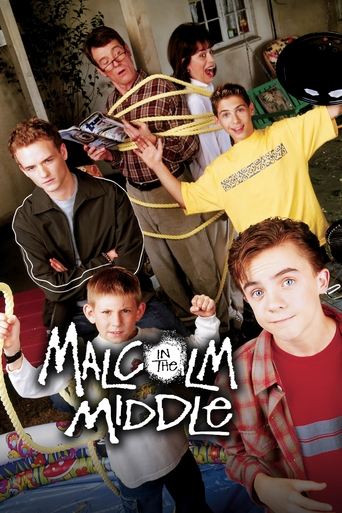
Malcolm in the Middle (2000) visualizes financial stress as pure, unregulated chaos. The boys wear ill-fitting hand-me-downs, dinner is often a mystery casserole made from whatever is left in the pantry, and medical bills are treated as catastrophic events to be avoided at all costs. The show uses single-camera pacing to emphasize how exhausting it is to stretch one paycheck across a house full of boys.
Poverty here is handled with frantic creativity rather than misery, and the 7-season run never drops its tone of manic survival. It is the loudest pick on this list and the closest in spirit.
The Endless Hustle

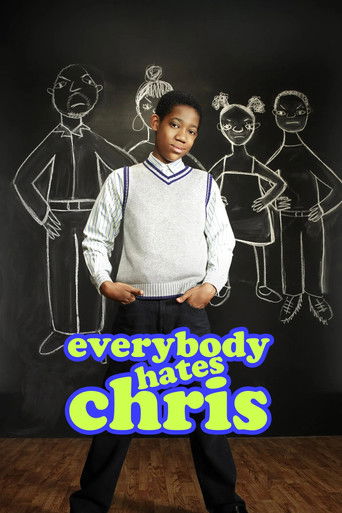
Everybody Hates Chris (2005) builds its entire paternal dynamic around extreme frugality. Julius is the ultimate sitcom patriarch defined by his bank account, famous for instantly calculating the exact monetary value of a spilled glass of milk or an unplugged alarm clock. The comedy works because his cheapness is a completely rational response to trying to support a family on two low-wage jobs in 1980s Brooklyn.
The toll of tracking every penny is the sharpest thing it observes, and it wraps the whole coming-of-age story in 4 tight seasons.

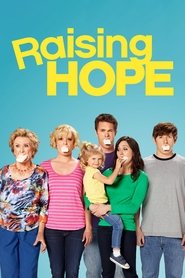
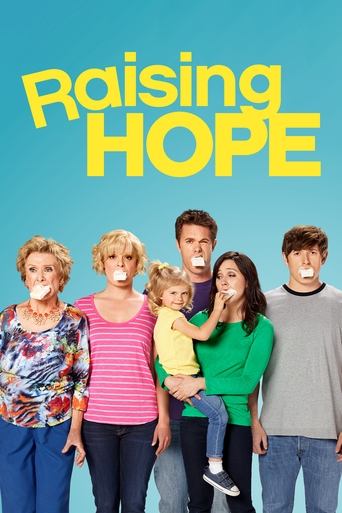
Raising Hope (2010) tackles multi-generational poverty by leaning into bizarre, resilient optimism. The characters live in a crowded, unkempt house and work precarious minimum-wage jobs, yet the show completely avoids the traditional bleakness of lower-class narratives. The financial constraints force the characters into absurd, DIY solutions for child-rearing and daily survival.
The lens is aggressively cheerful and slightly surreal, which makes the money reality easier to sit with than almost anywhere else here: 4 warm, low-stakes seasons.
Where the Paycheck Shapes the Day

Superstore (2015) shifts the focus from the family home to the modern retail floor. The comedy is driven by the stark contrast between corporate mandates and the reality of the workers executing them for minimum wage. Healthcare coverage, maternity leave, unionizing, and the fear of automation are not just political talking points here; they are the immediate, daily pressures that dictate how the characters interact.
Over 6 seasons it becomes the clearest picture here of how wages and workplace instability shape adult relationships: the side of the Heck household you only heard about when Frankie came home from work.

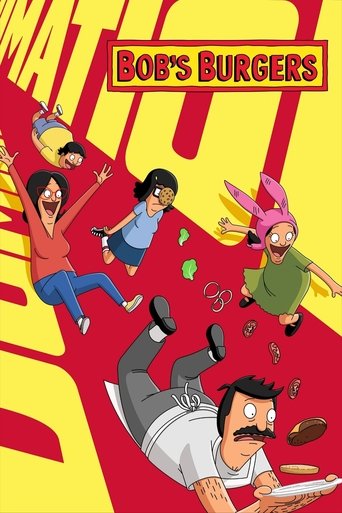
Bob's Burgers (2011) captures the specific, grinding anxiety of trying to keep an independent business afloat. The Belcher family's restaurant rarely turns a profit, and the show mines consistent tension from Bob having to choose between fixing a broken piece of kitchen equipment, buying the kids a necessity, or paying the landlord on time.
Sixteen animated seasons, and the constant threat of failure never touches the family's affection for each other. It is the most comforting show here, and the longest.
The Cynical Extreme
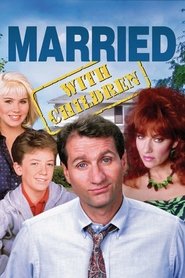
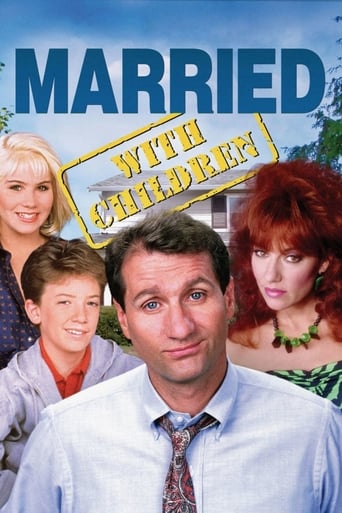
Married... with Children (1987) uses a dead-end retail job as the engine for pure, unadulterated resentment. Al's meager salary as a shoe salesman ensures the family is permanently stuck in a house they hate, with people they cannot stand. Unlike the other shows on this list, there is no underlying message of solidarity or survival, just the bitter reality that being broke makes everything worse.
After nine seasons of Heck warmth, the meanness is the point: 11 seasons of a family with no lessons to learn, only a shoe store to go back to.
If it is the Hecks' tired warmth you miss more than the money math, the families who never quite get the win are a better next stop: those comedies lean less on a missing paycheck and more on the plain exhaustion of raising a flawed family.