

Sue Heck Never Won on The Middle, and That Was the Point
Most TV underdogs get a secret talent or a big win. Sue Heck just kept trying, and that is why she still feels like TV's most relatable kid.
KinoShelf Journal · · 4 min read
Sue Heck is television's most relatable underdog because The Middle refused to secretly make her a genius or hand her a miraculous victory. Other sitcoms eventually reward their overlooked characters with a sudden talent or a popularity boost; Sue just keeps trying. That persistence, not any eventual success, is what makes her matter to anyone who ever felt invisible.
The Underdog Payoff TV Usually Gives (And The Middle Refused)
Most teen characters written as chronically awkward eventually get a redemption arc where they discover a hidden talent. The Middle never gives Sue that episode. Whether she is trying out for a sport or a club, the punchline is almost always her rejection.
What the series does instead is frame her ability to absorb that rejection and immediately find a new goal as her actual strength. The refusal to "fix" her runs through the whole household, and it is the same instinct behind the label the show never gave Brick.
Why Her Failures Are Funny Without Being Cruel
The comedy of Sue's rejections works because the script laughs at the size of her optimism, not the depth of her pain. In S3E5 "The Test", Sue tries out for cheerleading and spends the episode anxiously waiting for the call. The humor comes from her relentless preparation and outsized hope, set against the flat reality of high school social order.
The show lets you feel the sting while marveling at how quickly she bounces back. She is the purest version of a family that never quite gets the win, where getting through the disappointment is the victory.
The Comfort of Being Invisible
Sue's struggles are rooted in the most universal high school experience of all: simply not being noticed. In S3E21 "The Guidance Counselor", her feeling of being overlooked at school peaks, and she finds an unlikely ally in the guidance counselor. The writing makes clear that Sue is not bullied so much as she is forgotten.
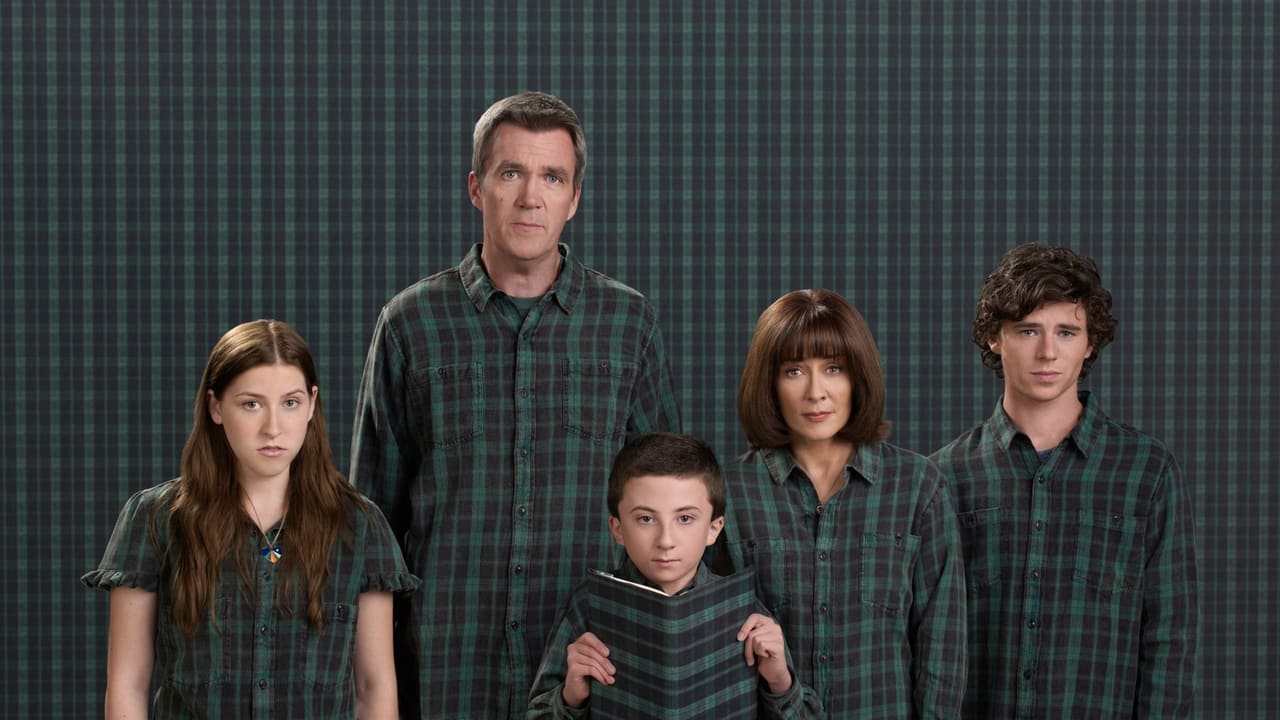
Taking that kind of ordinary invisibility seriously is a quiet gift to viewers who spent their teenage years on the edges of every group photo. You do not need a tragic backstory to feel alone in a crowded hallway, and Sue proves it for nine seasons.
The Ending She Got, and the Spin-Off We Didn't
The end of Sue's arc offers just enough hope without betraying who she is.
5 Series for the Stubborn Optimist
If you miss Sue's relentless drive in the face of constant rejection, these five shows have leads who refuse to let reality crush their spirit.

Parks and Recreation matches Sue's bulldozer enthusiasm through Leslie Knope. Leslie has institutional power that Sue lacks, but both meet impossible obstacles with an alarming amount of pep. The difference is that Leslie actually changes the world around her, one grueling compromise at a time, across 7 seasons of small-town Indiana determination.


Unbreakable Kimmy Schmidt drops an unfailing optimist into the most cynical place possible: New York City. Kimmy gets through a harsh modern world on unshakeable, smiling grit. Sue's primary-color worldview survives here, but the jokes come much faster and darker across 4 seasons.
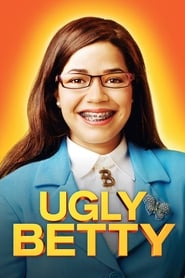
Ugly Betty follows an unstylish, overlooked young woman who refuses to change her personality to fit a shallow workplace. Betty Suarez navigating a high-fashion magazine mirrors Sue navigating the halls of Orson High. Over 4 seasons, plainness and hard work are pitted against everyone else's polish, the same fight Sue has at every tryout.

Derry Girls captures the unearned confidence it takes to survive constant public humiliation. Set in Northern Ireland in the 1990s, its teenagers fail loudly and never lose their terrifying egos. It is sharper and more chaotic than The Middle, and its 3 seasons go by fast.
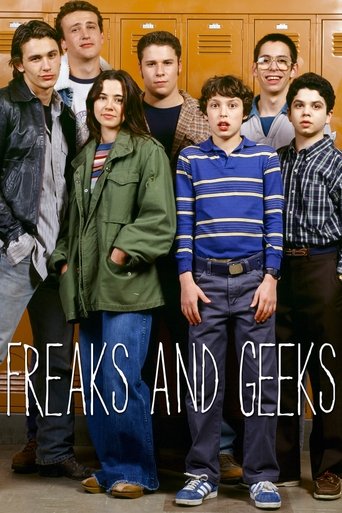
Freaks and Geeks is the most grounded portrait of high school awkwardness on television. Lindsay and Sam Weir are not as perky as Sue, but their attempts to get through school without fitting a neat box hit the same emotional frequency. It lasted a single season, and it treats not fitting in with complete respect.