
Is Brick Heck Autistic? Why The Middle Never Gave Him a Label
The sitcom never diagnosed Brick, treating his quirks not as a problem to solve, but as who he is. Here is why that writing choice matters.
KinoShelf Journal · · 3 min read
The Middle never specifies that Brick Heck is on the autism spectrum, but many autistic viewers recognize themselves in his character. His traits, such as preferring reading to social interaction, struggling to make friends, and whispering the last word of a sentence, are treated as who he is inside an ordinary, stretched family, not a problem the episode solves.
A Character Built From Reality, Not a Checklist
Brick’s distinct behaviors were not pulled from a diagnostic manual. The whispering came directly from co-creator Eileen Heisler’s own son, Justin, who used to whisper the last word of a sentence when he was little. By grounding Brick in reality, the writers built a fully realized child rather than a collection of symptoms.
Among family comedies that let kids be odd, The Middle stands out because it accepts its characters as they are. Brick is simply the youngest kid in a house where the parents are too tired to micromanage his personality.
The Social Skills Group That Did Not Need Fixing
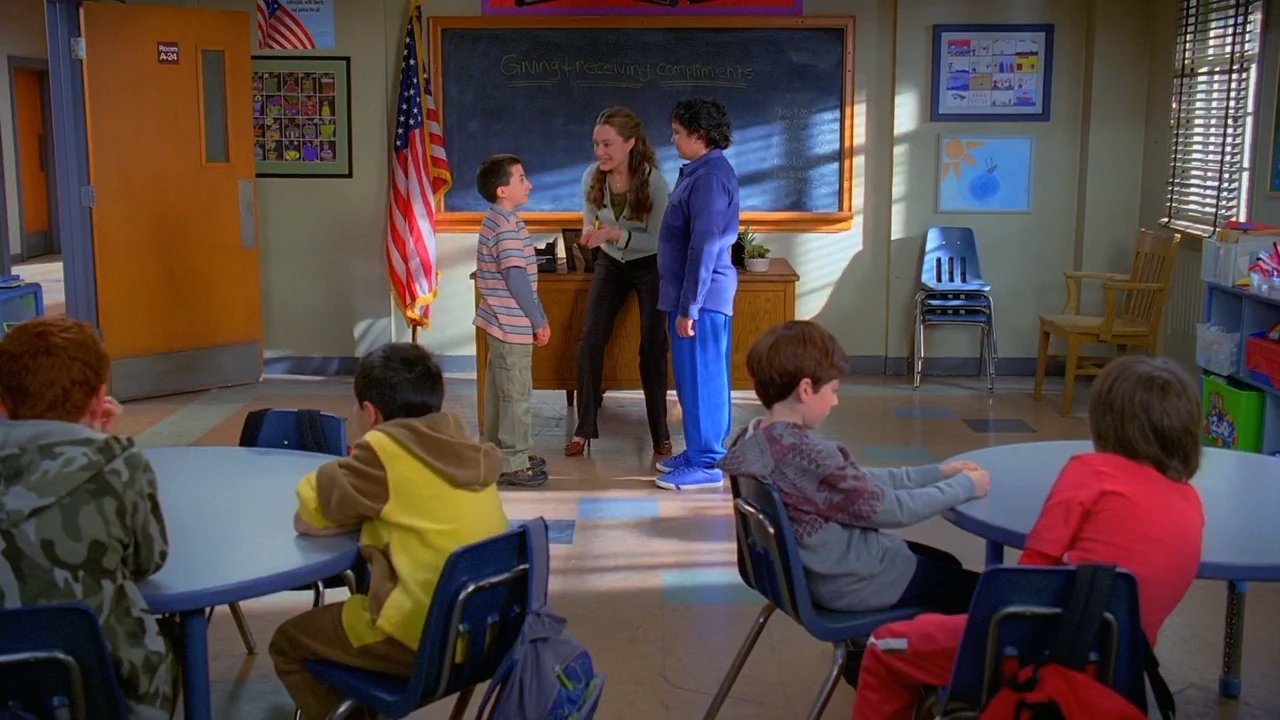
The social skills group is the closest the show comes to naming anything, and even there Brick is not the problem being solved. In S3E18 "Leap Year", he develops a crush in the group, and when the school cuts the program, he is the one who takes action. He is not fixed by the group; he finds his people in it.
The show extends Brick the same patience it gives Sue's endless tryouts: nobody in the Heck house is forced into a mold. He is allowed to be an intelligent, compulsive reader who operates on his own frequency.
Why Not Giving Brick a Label Works
The refusal to diagnose Brick on screen is a deliberate choice that protects the character from becoming a teaching moment. He is allowed to be selfish, funny, and annoying, just like Axl and Sue.
The series ending cements this acceptance.
Shows With Neurodivergent Leads Written With Care
If you appreciate how Brick is written and want to watch other series that handle neurodivergence with either explicit text or careful coding, these shows take a similar approach to character building.
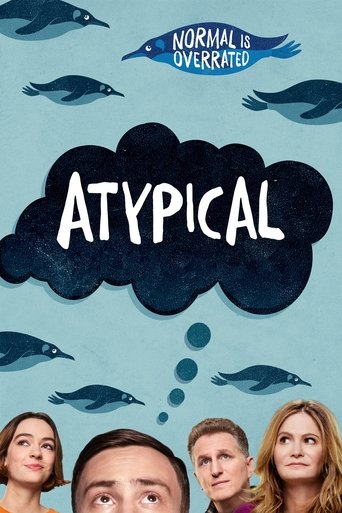
Atypical places an explicitly autistic lead at the center of a coming-of-age family comedy. Sam is an 18-year-old navigating romance and independence, and the show focuses on how his push for independence shifts the dynamics of his entire family. Where The Middle leaves Brick unlabeled, this is the direct version: an autistic teenager's push for autonomy, told openly.


Everything's Gonna Be Okay also features explicit autism representation, weaving it naturally into a story about grief and unconventional family structures. When a neurotic young man takes over raising his teenage half-sisters after their father dies, the series treats its neurodivergent characters with sharp humor and deep empathy.

Extraordinary Attorney Woo moves the explicitly autistic lead into a high-stakes professional setting. The Korean drama follows a rookie lawyer with a genius-level IQ as she tackles courtroom cases. It is a heartfelt, inspiring series that focuses on her brilliant legal strategies and the tight-knit community she builds.

Community is a chaotic ensemble comedy where neurodivergent traits are heavily coded but rarely labeled. The character of Abed uses film and television tropes to understand the world and his study group at a Colorado community college. The show never treats him as broken, and he frequently serves as the emotional anchor for the group.

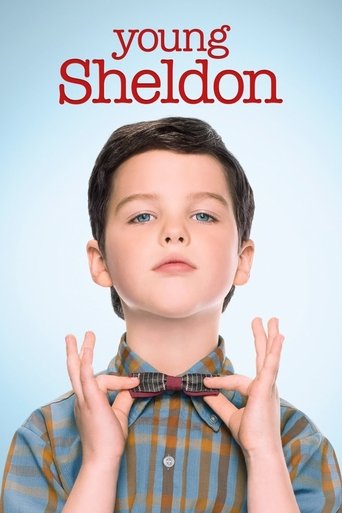
Young Sheldon looks at childhood genius through a lens of coded neurodivergence, never officially labeling its lead. Set in the 1980s, it focuses on the early years of Sheldon Cooper as his family adapts to his rigid routines and lack of social awareness. It is the closest cousin to the Heck house here: another family comedy about raising a very specific child without a clean answer.