
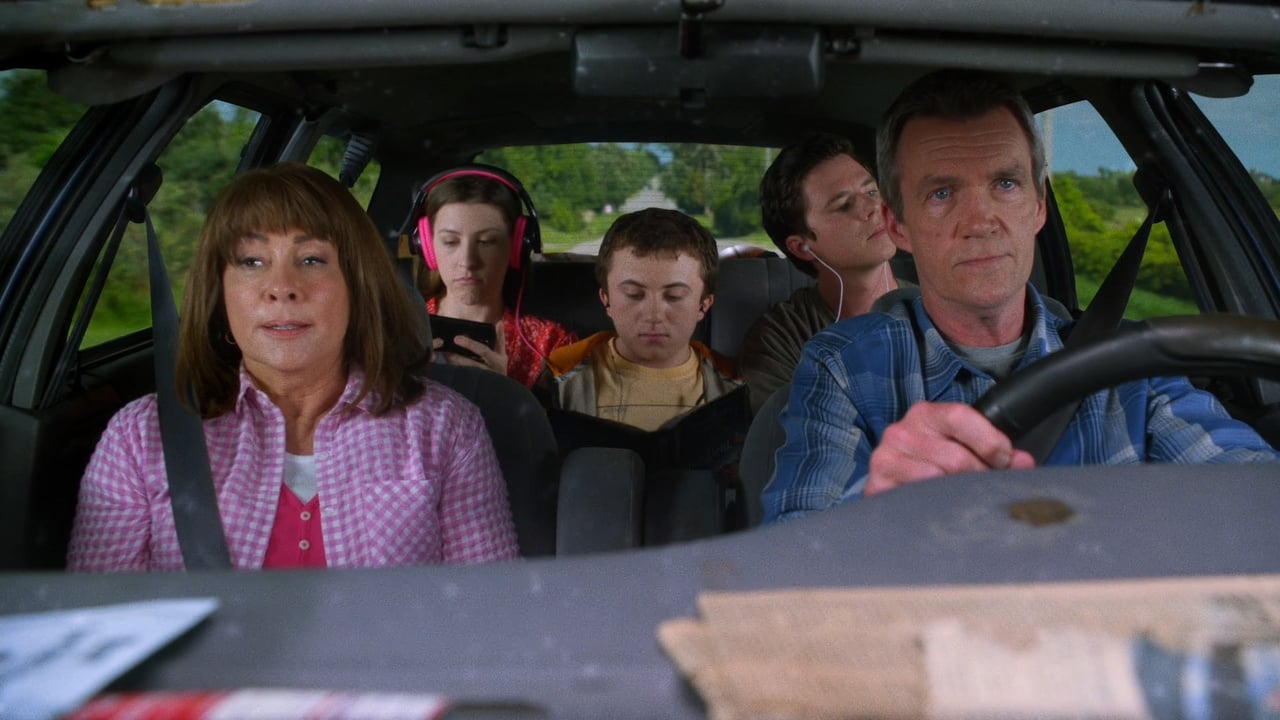
The Middle Ending Explained: 5 Shows to Watch Next
The series finale of The Middle refused to give the Hecks a magical sitcom upgrade, and that is exactly why it works so well.
KinoShelf Journal · · 4 min read
The series finale of The Middle works because it refuses to give the Heck family a magical upgrade. Their lives change, but the household does not become richer, tidier, or easier. That choice makes nine seasons of getting through ordinary trouble together feel like the victory.
What Happens in "A Heck of a Ride"?
"A Heck of a Ride" turns an ordinary family transition into the Hecks' final test.
This story has 7 spoiler sections.
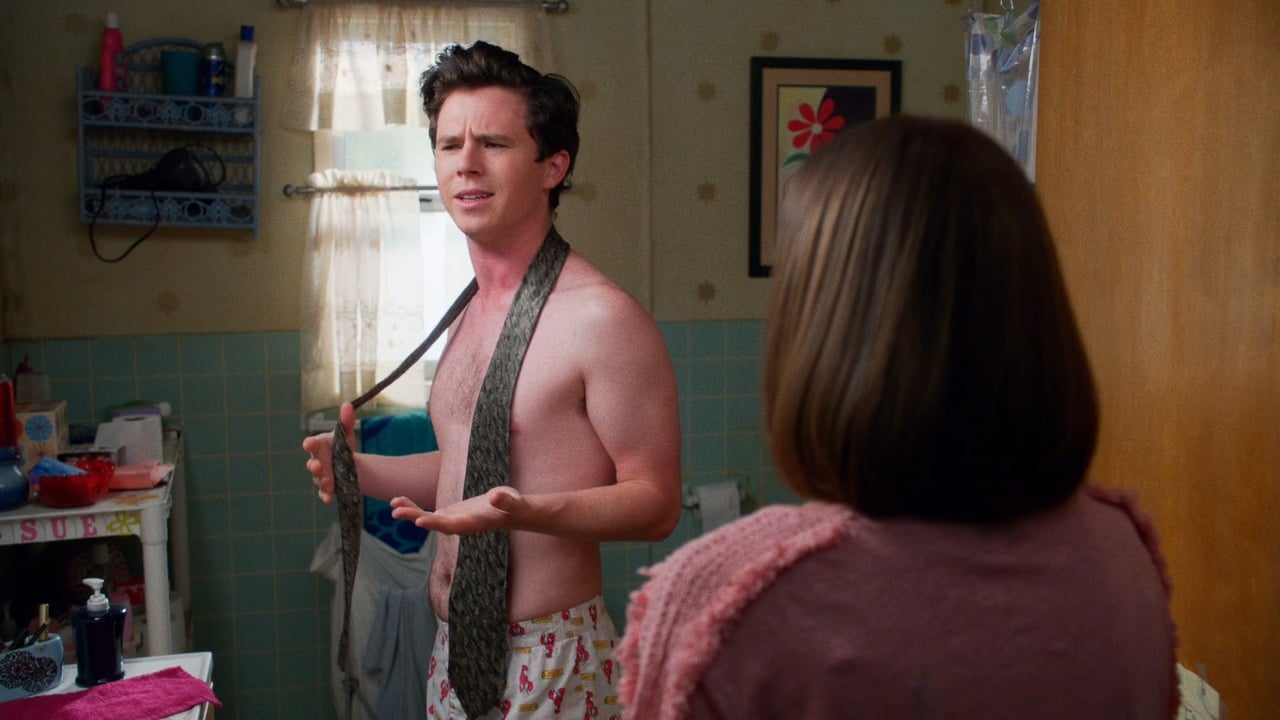
The Flash-Forwards: Where Everyone Ends Up
The epilogue changes each child's circumstances without turning any of them into a different person.
Frankie's Narration and the Broken House
The house is the clearest evidence for the finale's argument. Across nine seasons, failed repairs and Halloween plans that collapse make the Hecks' limits visible without turning the family into a lesson about escaping them.
The Final Whisper
The last joke compresses the show's geography, finances, and family structure into two words.
Did the Ending Work?
Yes. The finale gives each child a future while keeping the family's defining limits intact. It treats leaving home as enough of a change and never reaches for a lottery win or a sudden reinvention to make that change feel important.

5 Shows That Let Their Kids Grow Up
These five narrow the broader field of family sitcoms about getting by to stories that make growing up and leaving home part of their emotional design.
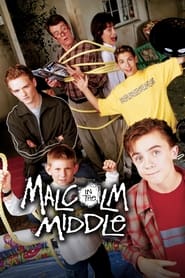
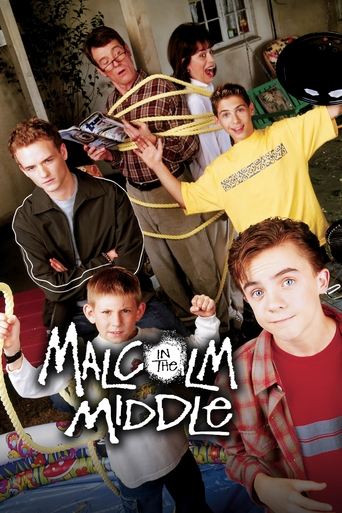
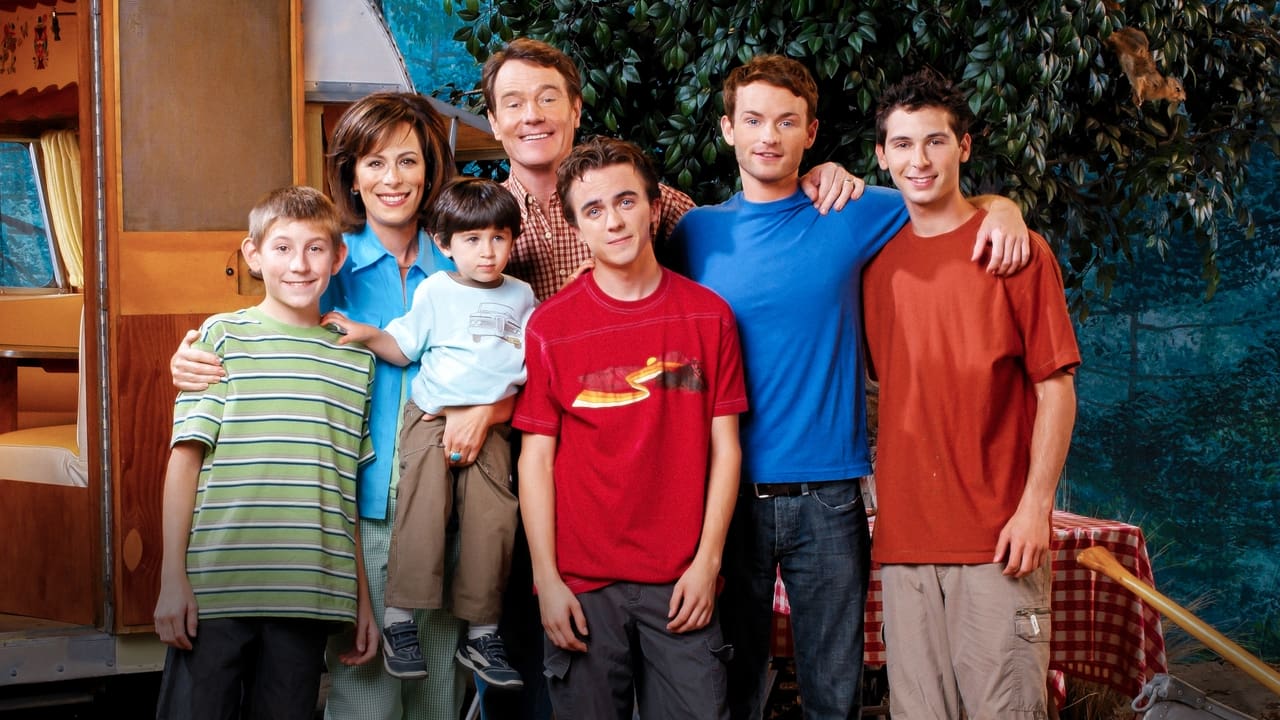
Malcolm in the Middle is the closest match for a loud, cash-strapped family that remains fiercely protective of its own. Malcolm's home runs on manic escalation where the Hecks often sit with exhaustion, making it an abrasive blueprint for this kind of family comedy rather than another dose of Midwest deadpan. Seven seasons make the children's growth a long-term part of the story.

Friday Night Lights follows teenagers whose plans keep pulling them beyond a small Texas town. Football gives the community a shared center, while class and family expectations give each departure a cost. Its five seasons complete several transitions from school to adult life through grounded drama, not comedy-first storytelling.
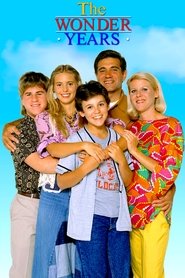
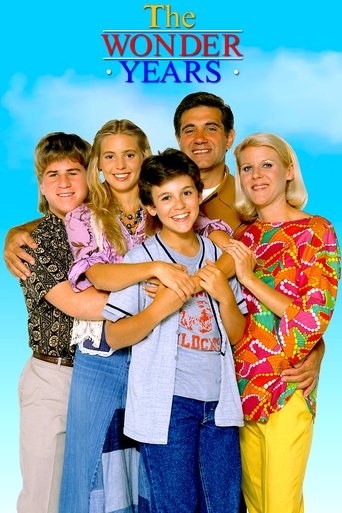
The Wonder Years uses an adult narrator to revisit school, friendships, and first love in the late 1960s and early 1970s. Its memory-driven perspective offers bittersweet hindsight rather than Frankie's present-tense domestic chaos, but both understand family life only after time has moved on. The original series runs six seasons.

Boy Meets World follows Cory Matthews from school to marriage across seven seasons, letting one cast cross into adult commitment as friendships and family roles change with age. Its life lessons are stated more openly than anything in the Heck home, which may not suit viewers who prefer growth to remain understated.

Young Sheldon balances a gifted child's isolation with the needs of a Texas family managing limited money and conflicting personalities. Its seven seasons form a softer, complete coming-of-age story, but the Coopers organize much of their life around one child's exceptional ability instead of giving the whole ensemble equal weight.