
Why the First Ice Age Feels So Dark (Plus 4 Films to Watch Next)
The 2002 original grounded its comedy in grief, predation, and the very real threat of extinction. Here is how it worked, and what to watch next.
KinoShelf Journal · · 4 min read
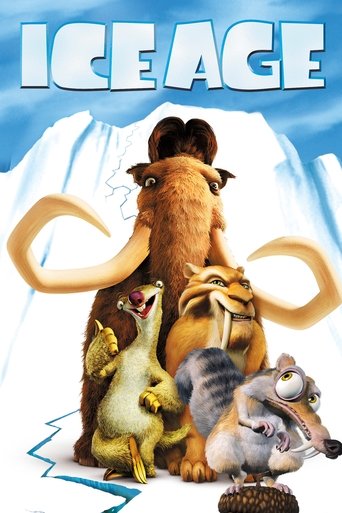
The first Ice Age feels distinctly darker than its sequels because its comedy never removes predation, isolation, grief, or extinction from the frame. Later entries expand the spectacle around an established family; the 2002 original makes that family form inside danger.
Survival as the Baseline
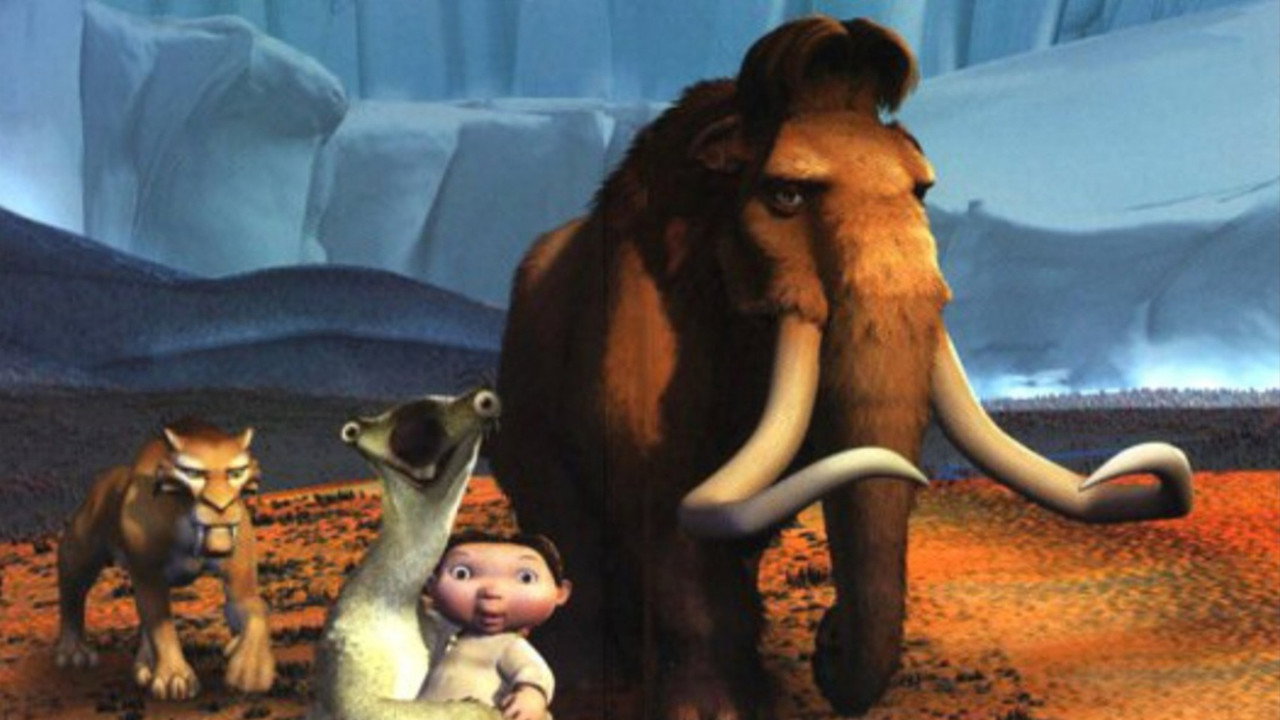
The film opens with prehistoric animals migrating south while Manny refuses to join them. His movement against the herd can read like a quiet death wish, but the film never states that as fact. Caring for a human infant alongside Sid and Diego pulls him back into contact with others.
The Human Threat: Hunters and Bereaved Parents
The humans in the first Ice Age occupy both sides of the danger. They are hunters responsible for Manny's family loss, but they are also bereaved parents separated from their child. The baby therefore keeps human vulnerability beside human violence rather than reducing either species to a simple villain.
The Cave Paintings: Extinction as Personal Memory
This is where the film's tonal maturity peaks. Instead of using prehistoric lore purely for visual gags, the movie turns the ice age into a backdrop for profound loss.
This story has 2 spoiler sections.
The Predator in the Pack
The tension within the herd itself never fully dissipates until the climax. Diego is not introduced as a misunderstood outcast; he remains a credible, working predator actively trying to lead Manny and the baby into an ambush by his pack.
The Franchise Shift
As the series progressed, the grounded vulnerability of the first film was gradually replaced by expanding spectacle. The herd domesticated, and the threats became increasingly detached from the harsh reality of prehistoric life.
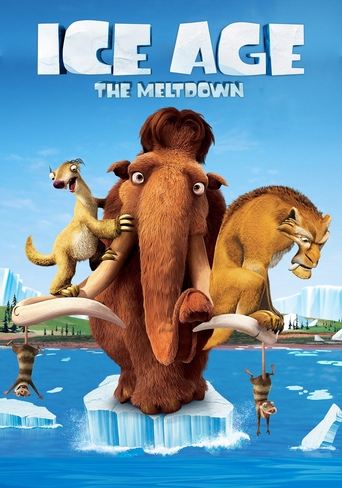
In Ice Age: The Meltdown, the threat shifts from personal survival to environmental disaster as the valley floods. The focus moves away from predator-prey dynamics to large-scale action set pieces involving melting ice.
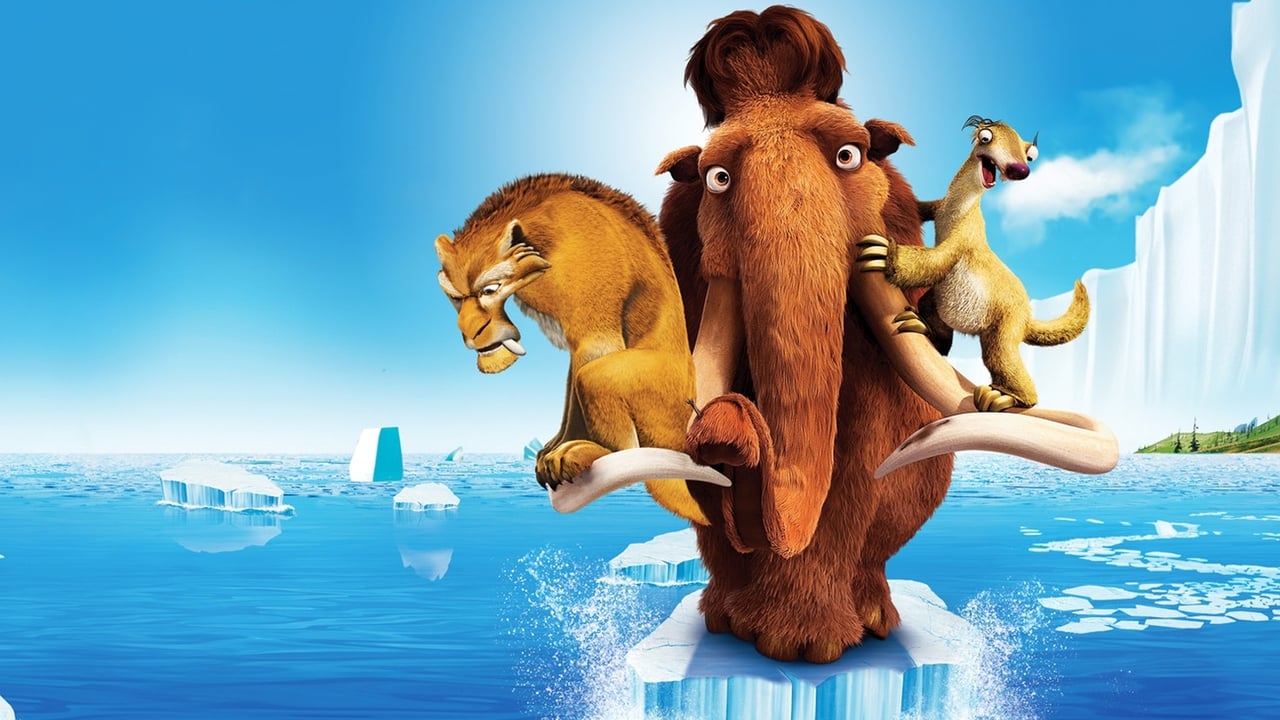
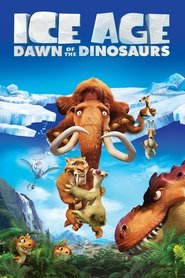
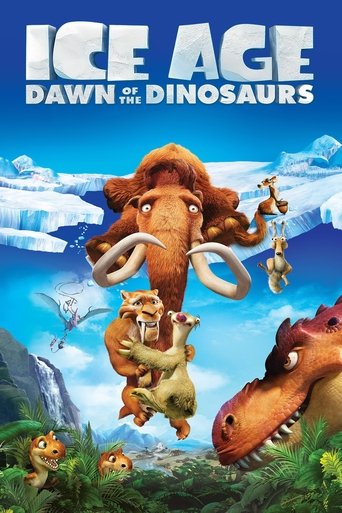
By Ice Age: Dawn of the Dinosaurs, the established herd faces mighty dinosaurs. The premise enlarges the creature spectacle instead of returning to the first film's lonely journey.
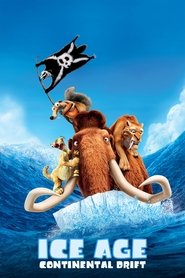
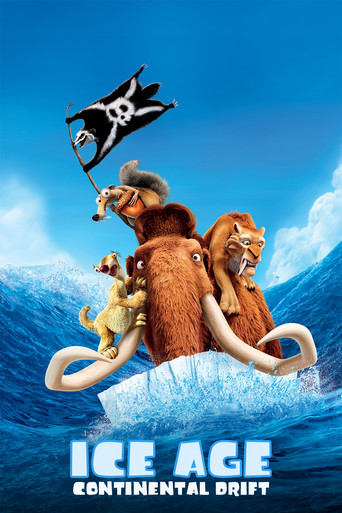
Ice Age: Continental Drift replaces the quiet isolation of the frozen tundra with an iceberg ship and a band of seafaring pirates, fully embracing a zany adventure format.
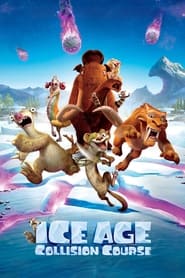
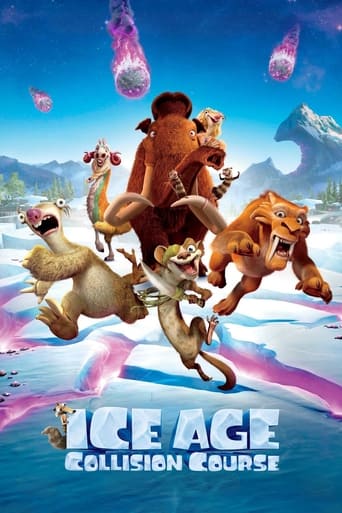
The escalation reaches its peak in Ice Age: Collision Course, where Scrat accidentally sets off a series of cosmic events and a meteor threatens the planet, fully abandoning the intimate, character-driven stakes of the 2002 original.
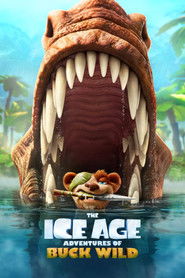
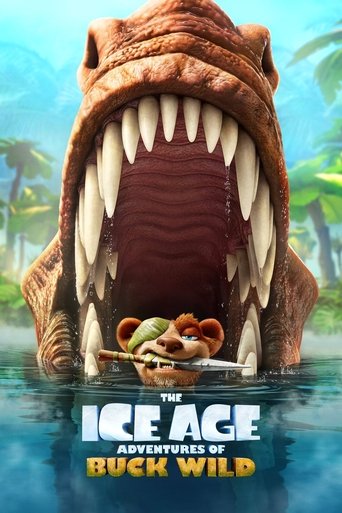
The spinoff The Ice Age Adventures of Buck Wild continues this trajectory, leaning entirely into manic escapades within the Dinosaur World rather than returning to the quiet melancholy of the first journey.
Animated Journeys Where Danger Stays Real
The original film's lasting impact comes from keeping grief beside its comedy. These animated journeys where danger stays real also keep physical stakes inside family animation.
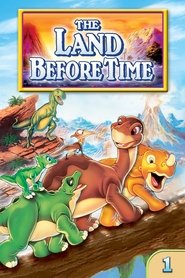
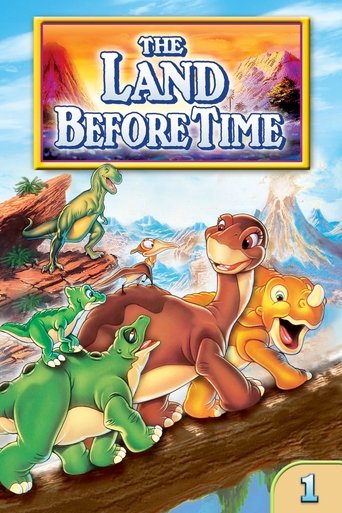
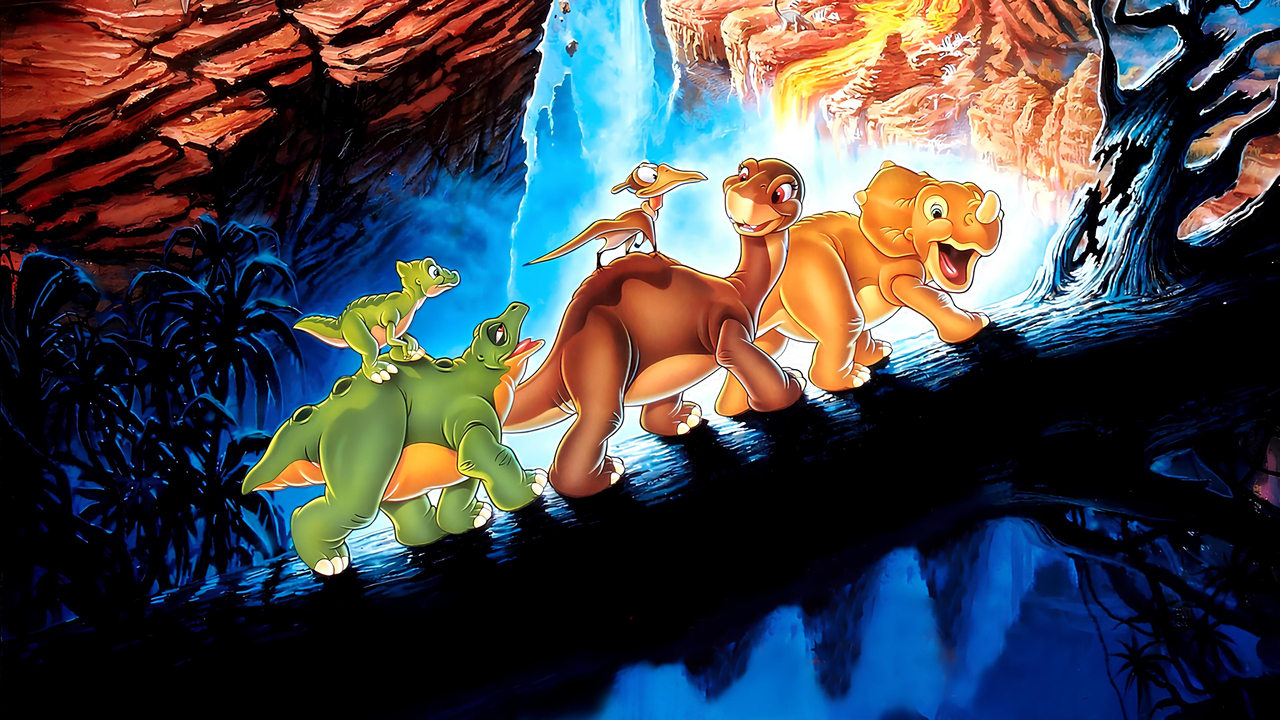
The Land Before Time isolates its young dinosaur protagonists early on, forcing them to navigate a hostile, earthquake-shattered landscape while mourning the loss of a parent. It shares the same melancholic undertone of a world that is fundamentally unsafe, requiring its characters to grow up fast.
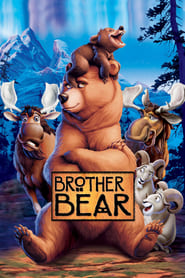
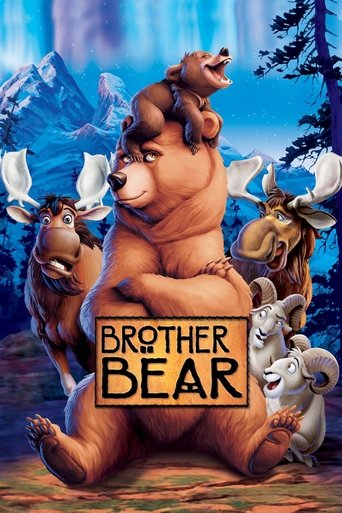
Brother Bear approaches the human-animal divide with similar gravity, focusing on a young impulsive boy magically transformed into a bear. The journey requires him to confront the pain he has caused and survive in a forest where the food chain dictates reality, blending mystical elements with harsh natural laws.
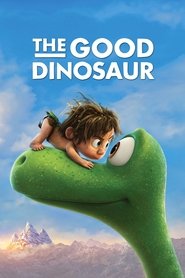
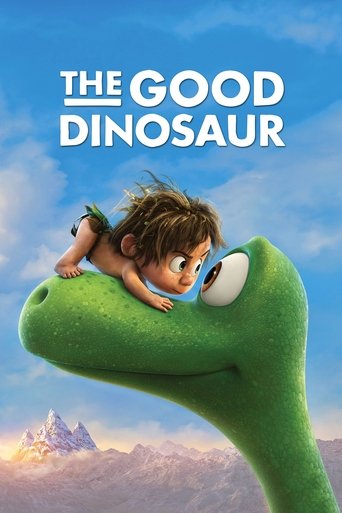
The Good Dinosaur pairs an Apatosaurus with a feral human child in a vast, unforgiving wilderness. Like Manny and the baby, their bond is forged entirely through a shared struggle against storms, scavengers, and the isolating scale of nature.
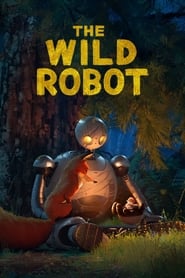
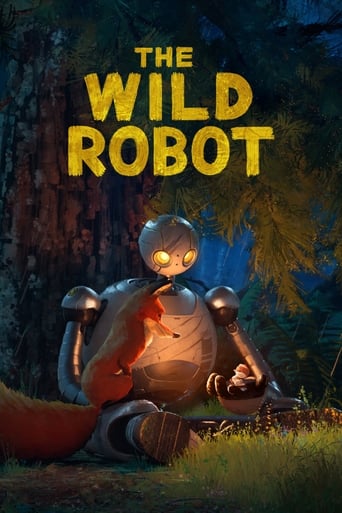
The Wild Robot maroons an intelligent machine on an uninhabited island, tasking her with raising an orphaned baby goose. The narrative does not shy away from the harsh rules of the animal kingdom, building an unconventional family out of necessity and survival.