
Why Ice Age's Cave Painting Scene Still Hurts
Manny's backstory is delivered without a single line of dialogue. Here is why that prehistoric visual memory remains the franchise's emotional peak.
KinoShelf Journal · · 2 min read
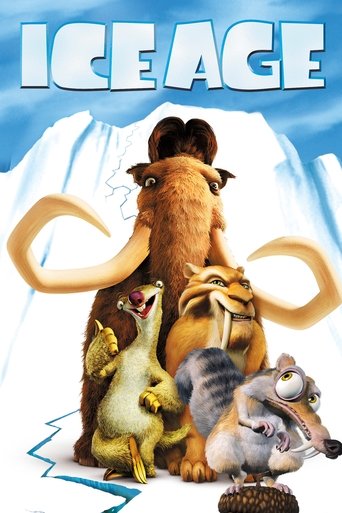
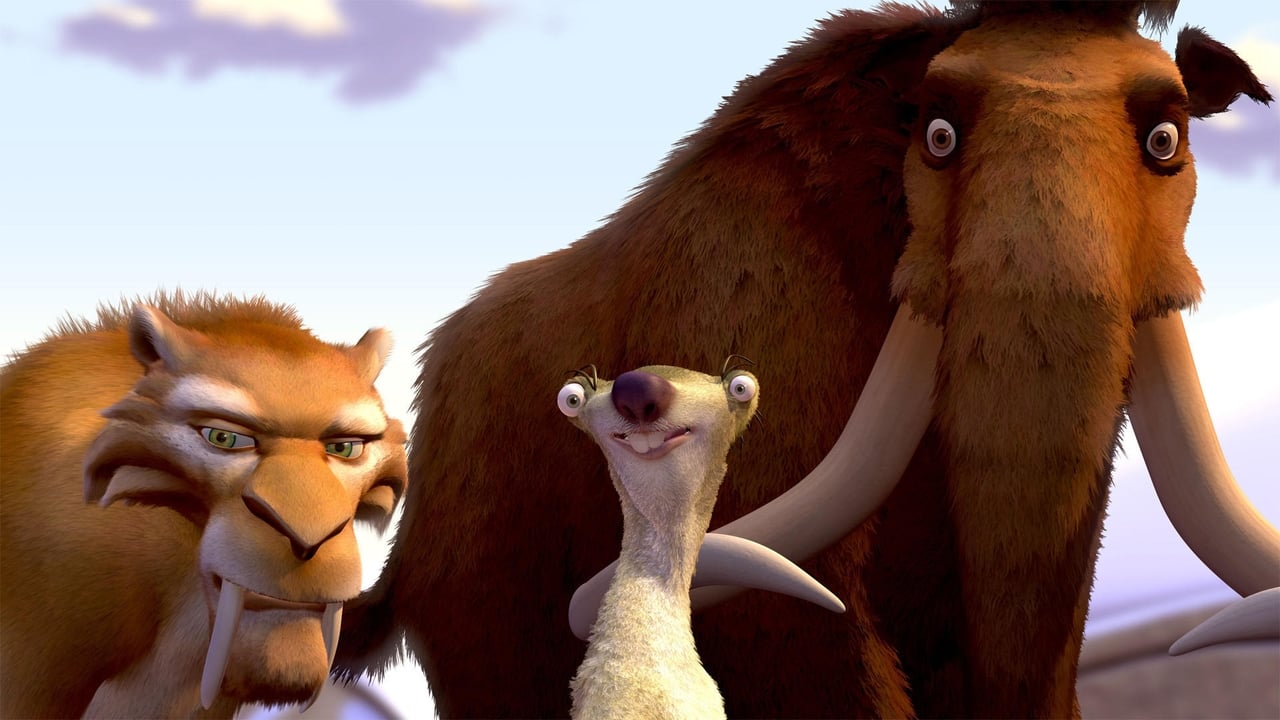
Ice Age turns backstory into prehistoric visual memory. Manny sees his private loss in images made by the human world he distrusts, then his bond with a human child deepens without an explanatory speech. His reaction tells us what the loss still means to him.
A Memory Rather Than a Flashback
Instead of cutting away to a traditional flashback, the narrative uses the physical environment to reveal Manny's history. When the trio finds the human cave paintings, the art serves as a projection of Manny's trauma. The painted figures begin to move, bringing his memory of the hunters and his family into the scene.
The Power of Withholding Dialogue
Showing Manny's grief without dialogue makes the sequence unusually painful for a comedy. Rather than having the mammoth explain his past to Sid or Diego, the film relies on character animation and visual staging. His expression tells the audience what he cannot say to the others.
The Enemy and the Child
The sequence places a historical threat beside a present vulnerability. The paintings show human hunters killing Manny's family, yet Manny is now protecting a helpless human infant. His bond with Roshan deepens after the memory, changing the return journey from an obligation into evidence that grief has not erased his capacity to care.
A Quiet Legacy in a Loud Franchise
The first film's restraint stands apart from the larger disasters and broader comedy of later entries. The cave sequence pauses the journey long enough for one image to explain Manny's distance from everyone around him. Its effect comes from withholding dialogue, not from adding more plot.
Where to Find That Same Quiet Grief
These examples of family animation where loss shapes the journey connect grief to landscape, movement, or caregiving without reducing it to a speech.
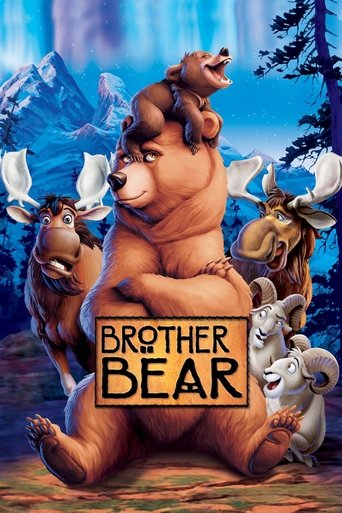
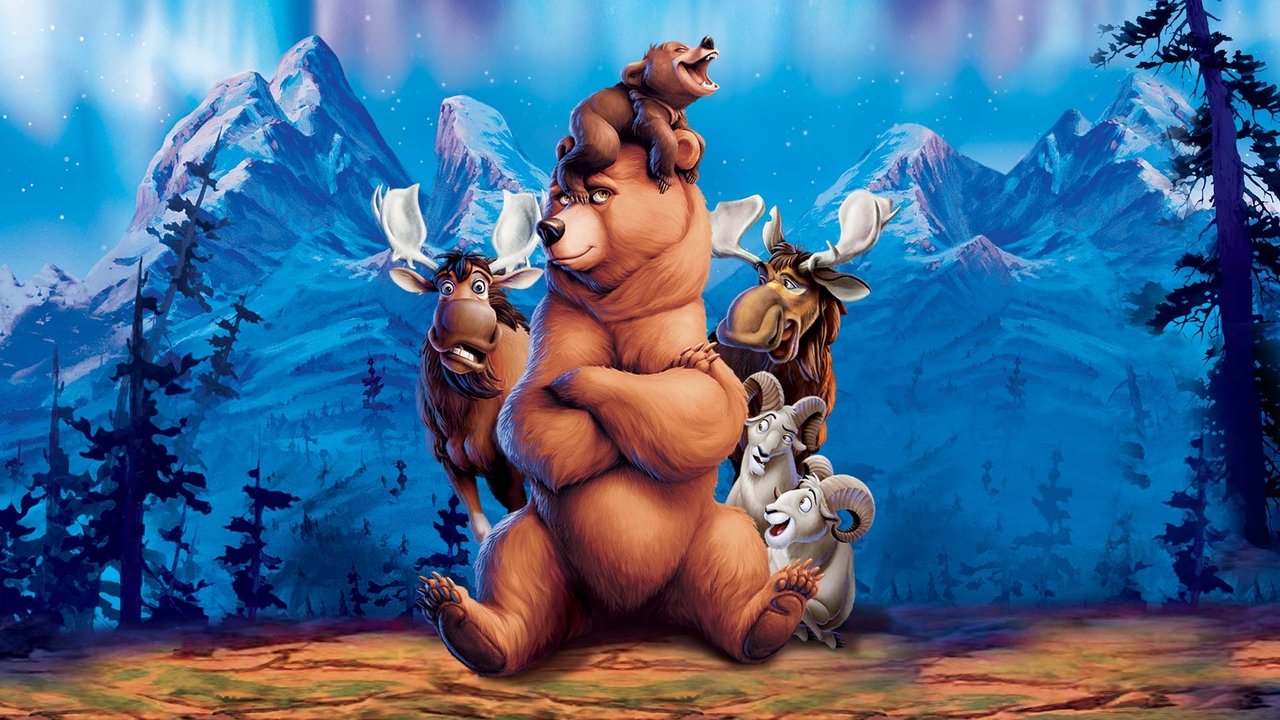
Brother Bear (2003) turns an impulsive boy into a bear and sends him through a forest full of wildlife. Its magical transformation makes the human-animal divide literal, giving the journey a more mystical tone than Manny's silent memory.
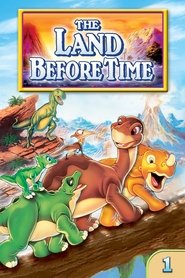
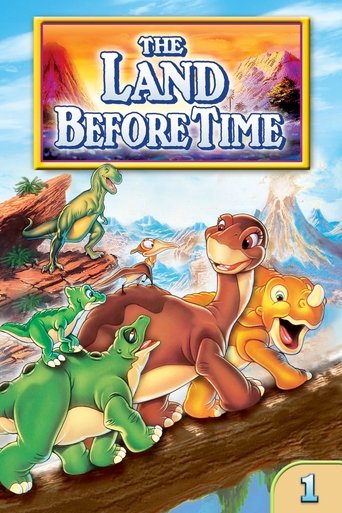
The Land Before Time (1988) follows an orphaned dinosaur searching for a safe haven with companions from other species. Its 69-minute journey puts prehistoric loss and migration ahead of comic banter.
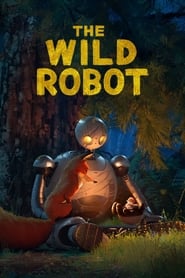
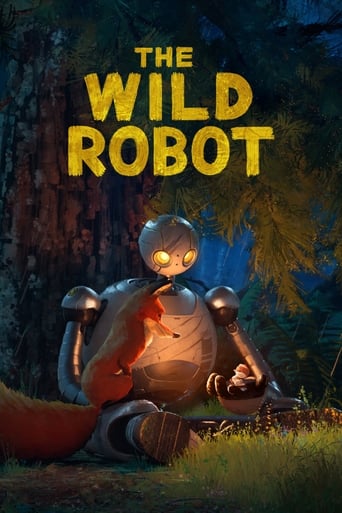
The Wild Robot (2024) builds caregiving around a stranded machine and an orphaned goose. The bond develops through survival tasks and contact with the island's animals, echoing how responsibility interrupts isolation.
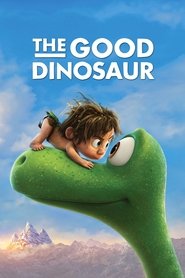
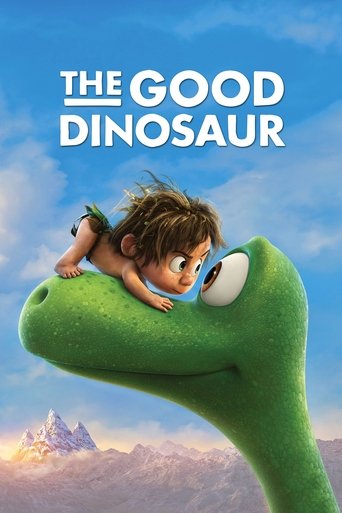
The Good Dinosaur (2015) pairs an Apatosaurus with an unlikely human friend in a prehistoric journey. It offers the closest visual rhyme to Ice Age, placing an animal and a human together in a landscape where trust has to cross the species divide.