
Why Diego's Redemption in Ice Age Actually Feels Earned
The saber-tooth tiger's turn from villain to hero works because it is built on a broken transaction, not just a sudden change of heart.
KinoShelf Journal · · 3 min read
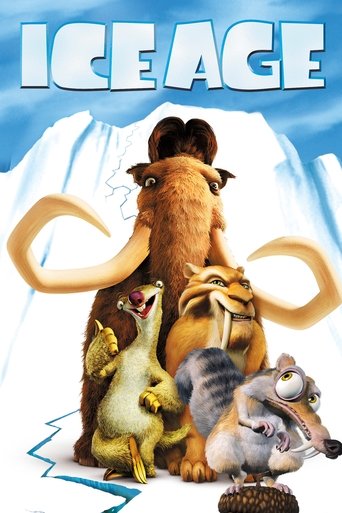
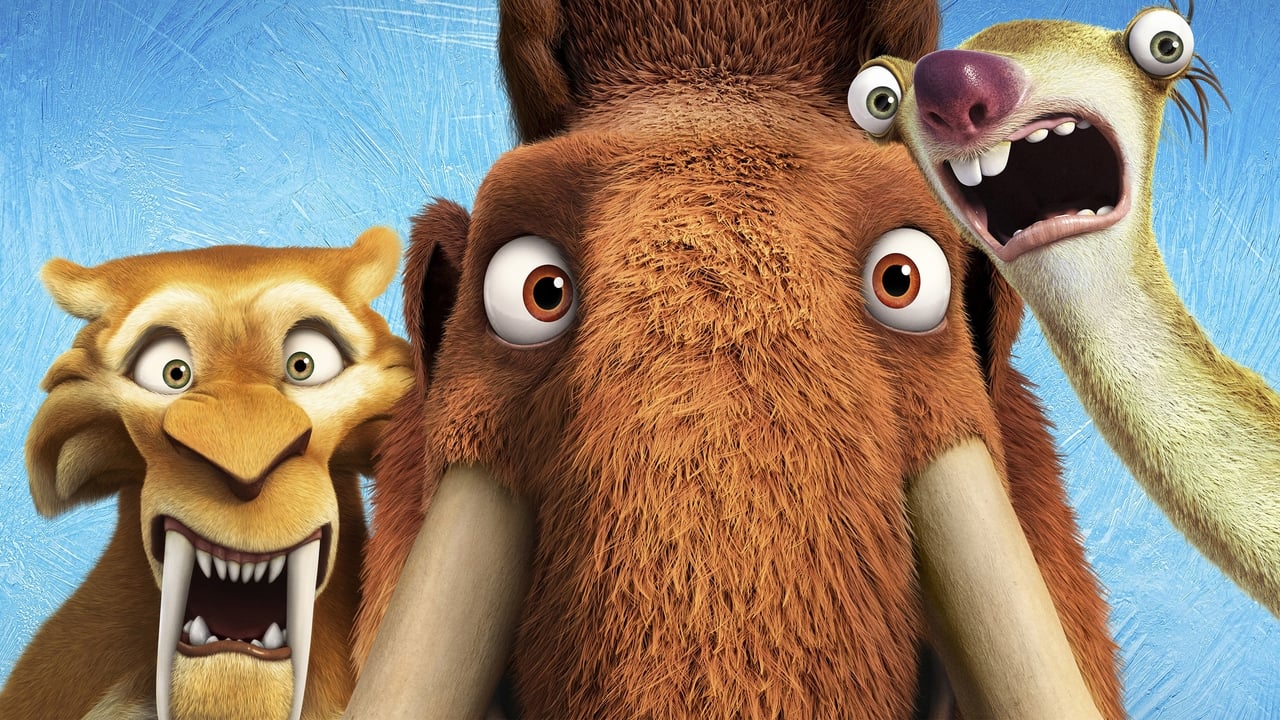
Diego’s transformation in Ice Age stands out from typical animated redemptions because it is built on a broken transaction, not just a sudden change of heart. His decision to abandon his pack feels earned because Manny’s willingness to risk his own life forces the saber-tooth tiger to completely reevaluate the survival-of-the-fittest hierarchy he has always known.
Diego's Original Bargain With Soto
To understand why the turn works, you have to look at the system Diego operates within. His old pack is strictly transactional. Soto leads through fear and strength, and the hierarchy depends on unquestioning obedience. Diego does not start the film as a villain who enjoys cruelty for its own sake; he is a pragmatic hunter executing a mission. The plan to deliver the human baby, Roshan, to Soto is a calculated move to secure his rank within a system that leaves the weak behind. He views Manny and Sid not as companions, but as temporary obstacles and eventual prey.
Manny Saves the Predator Who Planned to Betray Him
The turning point for the character is not a persuasive speech from Sid about friendship, but a physical demonstration of a new worldview during the lava-field crossing. When the ground cracks and gives way, Diego is left hanging over a fatal drop. In his old pack, a struggling member would be abandoned to ensure the survival of the strong. Instead, Manny the mammoth, a prey animal who knows Diego is a predator, catches him at immense personal risk.
When Diego asks why he did it, Manny simply states that you look out for each other in a herd. This moment shatters the tiger's transactional logic. Manny gains nothing by saving him, and the act of selfless preservation is completely alien to the saber-tooth's conditioning.
The Confession Before Half-Peak
A lesser narrative would let the character quietly change his mind and fight for his new friends without ever acknowledging his original deception.
This story has 2 spoiler sections.
Sacrifice as Proof Rather Than Apology
The climax relies on a complete reversal of the natural order: the predator uses his lethal instincts to protect the prey from his own kind.
The Enduring Legacy of Ice Age's Found Family
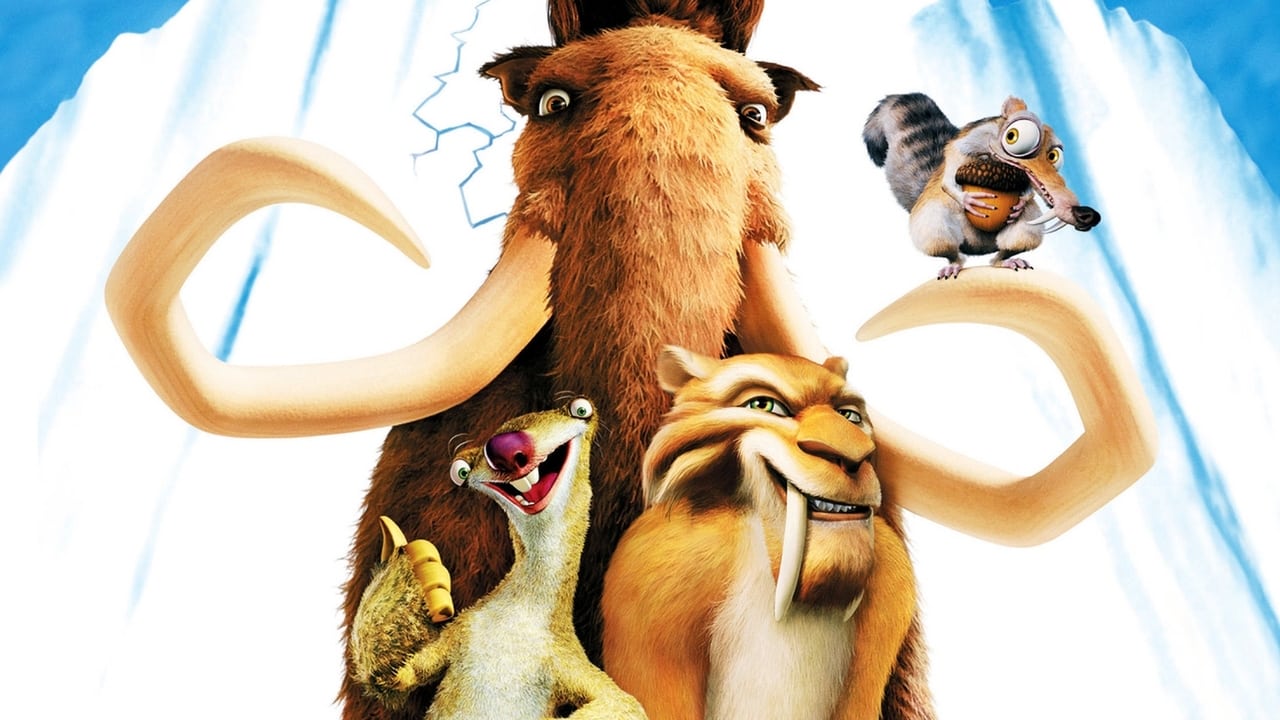
The dynamic between the mammoth, the sloth, and the saber-tooth tiger set a high standard for animation because it treated its characters' defensive walls with respect. Diego's arc works alongside the others; Manny's own underlying grief, which the film's cave painting scene lays bare, explains why he is so fiercely protective of his new companions, making his willingness to forgive a former threat even more resonant. The film builds a family not out of immediate convenience, but out of three outcasts who actively choose to abandon their old survival mechanisms and trust each other in a hostile world.