
The Cleaning Lady: Why Thony Gets Harder to Root For
Her survival instincts kept her son alive in season one, but her moral exceptionalism leaves everyone else paying the ultimate price.
KinoShelf Journal · · 3 min read
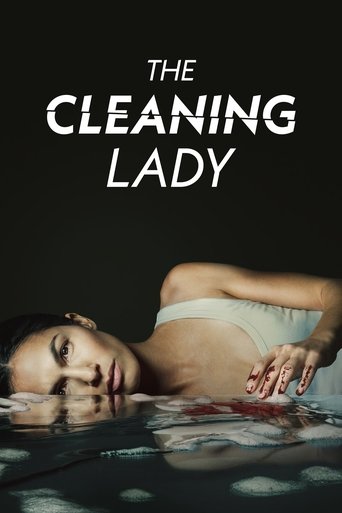
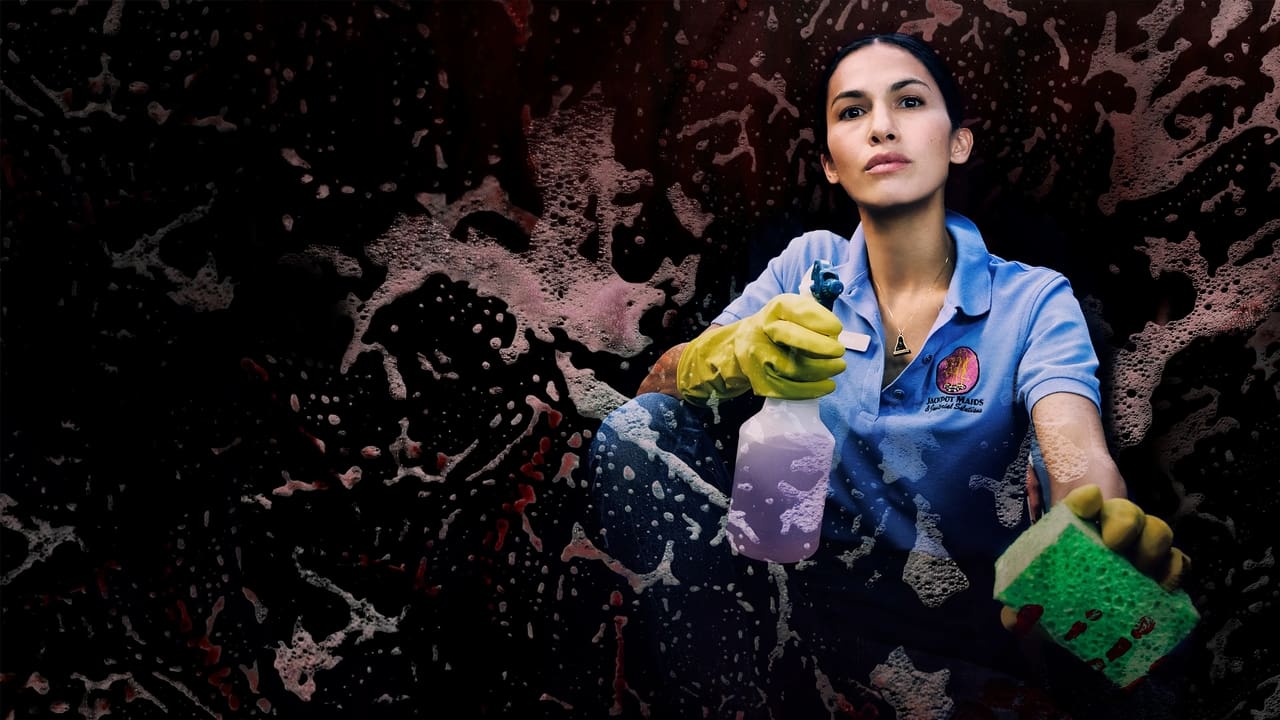
Thony De La Rosa becomes harder to defend when the skills that keep her family alive start giving her permission to overrule everyone around her. The Cleaning Lady makes that shift uncomfortable on purpose: survival competence slowly hardens into moral exceptionalism, while other people absorb the consequences.
Thony’s early circumstances explain why viewers defend her. Her early desperation deserves empathy, but motherhood, undocumented status, and medical exclusion do not excuse every later decision.
Why We Defended Her First
Thony comes to the United States seeking medical treatment for her son, then becomes trapped after the system fails them. She is a doctor who cannot use her training through legitimate channels, an undocumented mother facing choices that institutions have narrowed for her. That setup gives her early compromises a clear survival logic.
Her competence first reads as resistance. Medical judgment, nerve, and speed under pressure are qualities powerful people overlook. They let her protect Luca and push back against marginalization. Criticizing what comes later does not require pretending that her starting position was fair.
When Necessity Becomes Authority
The problem begins when competence stops being a tool and becomes a claim to authority. In “Mother's Mission” (S1E6), Arman connects Thony to Mother Donna's off-grid clinic. Donna offers Luca's transplant without payment if Thony performs three operations.
Thony then discovers that the clinic extracts organs from migrants. The episode turns medical exclusion into both leverage and compromise: the same expertise denied by the legal system now has value in a predatory one. Her ability to act under pressure can save a life, but it can also persuade her that she should control the choice.
The Cost of Her Competence
By the second season, the defense of necessity has become harder to separate from hubris. The showrunners describe Thony as believing she can outmaneuver everyone and as crossing moral lines. Her intelligence has not failed her; her confidence in being the person who should decide has outgrown the limits around it.
Frustration by Design
Recurring viewer debates about whether Thony is annoying, selfish, or even the villain show how far sympathy has been strained. Those reactions are audience evidence, not an objective verdict on the character. The mutual rescue with Arman also carries moral debt, so protection cannot stay separate from complicity.
Viewers become frustrated when her methods undermine the people she wants to protect. Saving family remains understandable, but the newest emergency repeatedly becomes a reason to override other people's agency. The series gains a morally difficult protagonist, even as it risks exhausting viewers who no longer accept necessity as a complete defense.
Protagonists Trapped by Their Own Competence
Other capable caregivers respond to broken systems in sharply different ways. Whether you want desperate mothers crossing the line or professionals whose judgment becomes its own trap, these four series change the balance between survival, power, and responsibility.
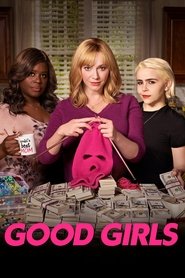
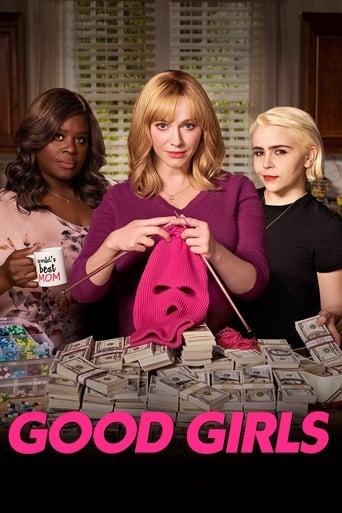
*Good Girls* follows three suburban wives and mothers who face desperate circumstances, rob a grocery store, and become involved in laundering money for a cartel. Its four-season crime story gives the premise a lighter tone, with a group rather than one parent carrying the decisions.

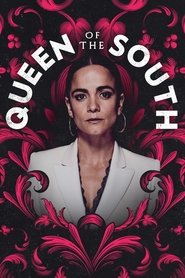
Queen of the South moves more directly from flight to ambition. After her drug-runner boyfriend is murdered, Teresa flees Mexico, settles in Dallas, and works toward becoming the country's leading drug smuggler. Its five seasons put cartel power, rather than medicine or motherhood, at the center of her competence.

Maid is the grounded counterpoint. A young mother flees an abusive relationship, cleans houses, and fights to provide a better future for her child. The limited series keeps its pressure in domestic abuse, housing, custody, and poverty rather than organized crime.
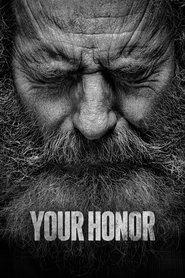
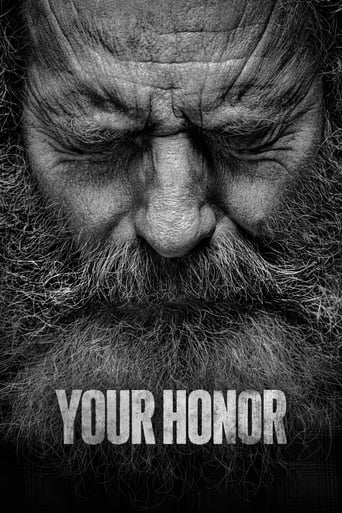
Your Honor places professional judgment under parental panic. A New Orleans judge must confront his convictions after his son becomes involved in a hit-and-run connected to an organized crime family. The legal thriller makes the parent’s expertise part of the damage caused by his attempts to protect his child.