

Thony and Arman: Why The Cleaning Lady Bond Was More Than Romance
Why Thony and Arman’s intimacy was built on rescue, criminal complicity, and shared moral debt rather than romance alone.
KinoShelf Journal · · 4 min read
Thony and Arman’s dynamic in The Cleaning Lady carries more weight than a conventional network romance because their intimacy grows through rescue, recognition, and shared moral debt. Each time one saves the other, affection becomes harder to separate from criminal complicity.
The Fan Debate: A Forced Romance or an Inevitable Bond?
Viewers remain divided on whether the relationship deepens the series or pulls it toward soap opera. The skeptical reading makes sense: pairing a desperate mother with a cartel lieutenant can make Thony’s worsening choices look like fuel for a romance rather than the cost of survival. The competing reading sees the attraction as inseparable from the danger that first brought them together.
The show’s creators describe their partnership as one built on respect and recognition, with a bond deeper than romance. That framing lets both reactions coexist. Attraction matters, but the relationship also charts how Thony’s need for protection turns into participation in Arman’s world.
Rescue as a Love Language
The foundation of their intimacy is mutual preservation. Arman protects Thony and treats her medical skill and nerve as assets, while she gives him a chance to see protection as something other than control.
By “The Crown” (S1E10), the arrangement is no longer a simple exchange of labor for safety. Thony gains control of syndicate funds and plans a cleaning business that can launder Arman’s money while supporting a clinic. Respect has become infrastructure: their plans, risks, and moral compromises now depend on each other.
When Protection Becomes Complicity
This story has 2 spoiler sections.
The Cost of Emotional Infidelity
Treating the dynamic only as a ship erases Nadia’s place in it. She is part of Arman’s criminal life and marriage, not an obstacle waiting to be removed. After the Season 2 finale, the showrunners explicitly call Arman’s conduct emotional infidelity and acknowledge Nadia’s hurt as he repeatedly prioritizes Thony.
That cost complicates any simple romantic reading. Thony and Arman may recognize something essential in each other, but their closeness asks Nadia to absorb decisions she did not make. The bond can feel sincere and still be cruel to someone inside its radius.
Beyond a Ship
That is why the relationship feels larger than a ship. Romance is present, but rescue is the structure underneath it. Remove the cycle of salvation and debt, and the show loses the tension that made every act of care dangerous.
Shows Like The Cleaning Lady Built on Moral Debt
These four crime dramas also turn protection into obligation. Each changes the balance: comic danger, parental panic, family enterprise, or a climb through cartel power.

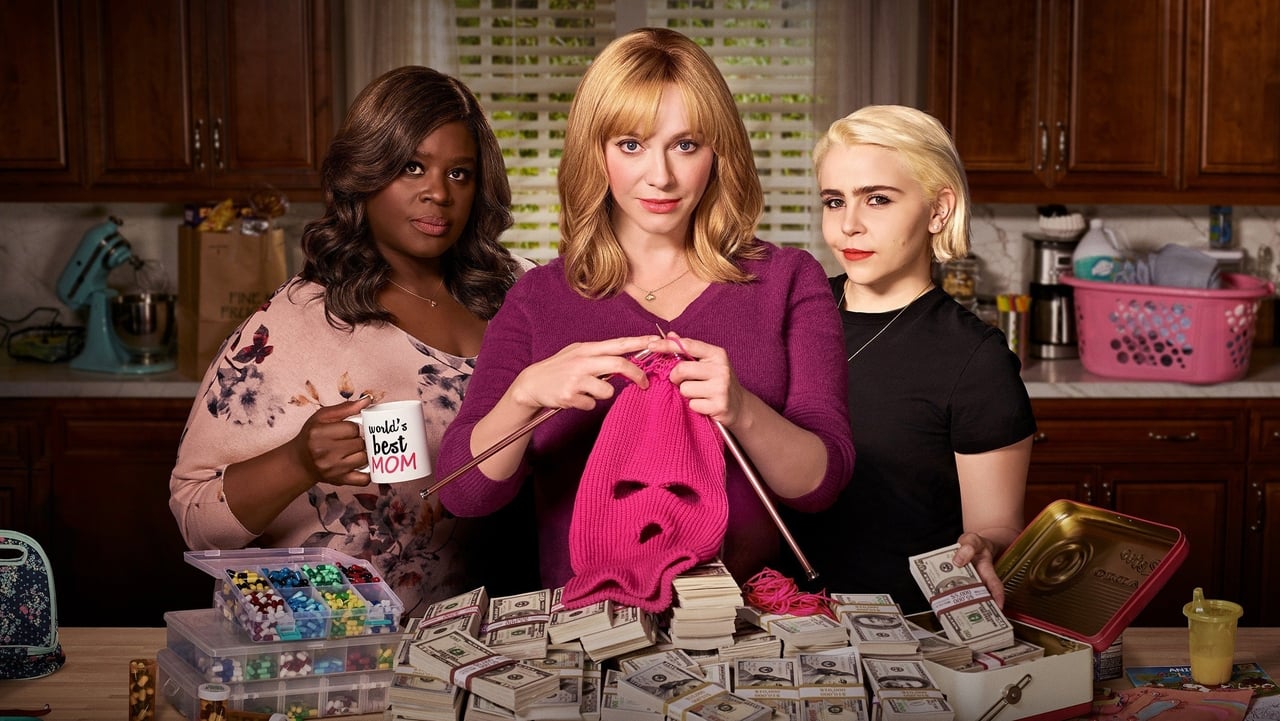
Good Girls follows three suburban mothers whose robbery pulls them into money laundering for a cartel. Its dependency between a mother and a gang leader gives the danger a lighter, darkly comic charge. Four seasons leave room for rationalizations to harden into routine, though it never carries Thony’s medical urgency.

Your Honor also begins with a parent breaking rules to save a son. A New Orleans judge uses his knowledge of the law after his child becomes involved in a hit-and-run tied to a crime family. The two-season legal thriller makes professional competence part of the corruption, with parental protection narrowing every later choice.

Ozark scales laundering into a five-year, $500 million demand from a drug boss. A financial adviser moves his family from Chicago to Missouri, making dependency familial and professional rather than romantic. Across four seasons, shared secrets turn the family itself into a criminal enterprise.

Queen of the South shifts from survival to a direct climb through cartel power. After her drug-runner boyfriend is murdered, Teresa flees Mexico, settles in Dallas, and works toward becoming a major drug smuggler. The five-season arc suits viewers who want the protected outsider to pursue power instead of remaining caught between two worlds.