

The Cleaning Lady vs. Good Girls: Which Crime Drama Fits?
Both start with a mother forced into crime, but one is a suburban dark comedy and the other is a serious medical survival thriller.
KinoShelf Journal · · 4 min read
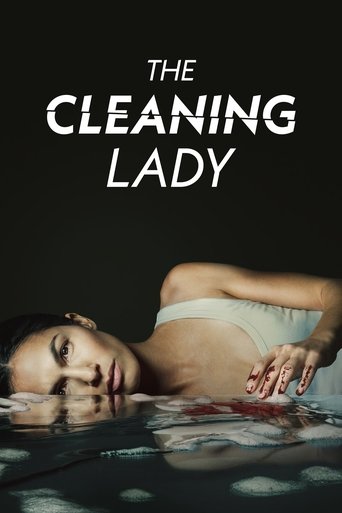
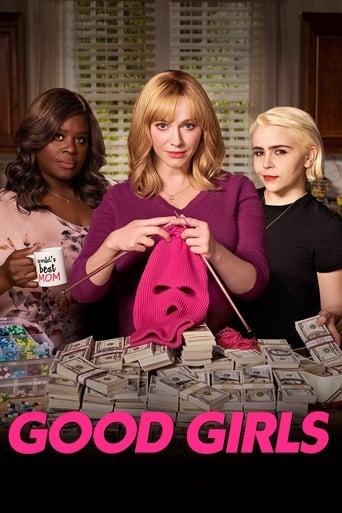
Good Girls turns suburban mothers entering crime into dark comedy, while The Cleaning Lady treats a surgeon's move into mob cleaning as a serious survival drama. Both ran for four seasons. Good Girls follows three amateurs making decisions together; The Cleaning Lady centers on one doctor whose skills make her useful to criminals.
- Choose Good Girls: You want dark comedy, suburban pressure, and three amateurs learning what crime costs.
- Choose The Cleaning Lady: You want a serious crime drama built around medicine, immigration pressure, and mob leverage.
- If neither tone fits: Queen of the South pushes toward cartel power; Weeds stays with suburban crime comedy.
The one-line difference
Good Girls asks what happens when three suburban mothers enter crime without professional preparation. The Cleaning Lady asks what happens when a surgeon's competence makes her useful to criminals after medical and immigration systems fail her. Together, the shows turn desperate mothers crossing the line into opposite viewing experiences: group improvisation and dark comedy on one side, individual precision and sustained danger on the other.
What pushes each mother into crime
Jenna Bans created Good Girls around three wives and mothers facing desperate circumstances. Beth, Ruby, and Annie first rob a supermarket. Their later laundering schemes grow from that desperate attempt to take control, rather than from skills criminals already need.
Miranda Kwok gives The Cleaning Lady a narrower pressure point. Its doctor comes to the United States seeking treatment for her son, then becomes a mob cleaner after the system pushes her into hiding. Family survival starts both stories, but only Thony De La Rosa's route into crime is tied directly to medical expertise and immigration precarity.
Amateur mistakes versus professional competence
The mothers in Good Girls bring no specialist training to robbery or money laundering. That gap lets mistakes, bluffing, and shifting group confidence drive the story, with the dark-comedy tone keeping panic close to the surface. It fits viewers who enjoy watching ordinary people test how far nerve can carry them.
Thony begins from the opposite position. Her medical knowledge and careful work give her leverage, even while the mob controls the conditions under which she uses them. Choose The Cleaning Lady when competence under pressure interests you more than amateur schemes coming apart.

Dark comedy versus family crisis
Good Girls uses its suburban setting and dark-comedy frame to keep absurdity alongside danger. The mismatch between domestic normality and money laundering is part of the appeal.
The Cleaning Lady stays closer to crime drama and medical survival. Its protagonist enters the mob world while trying to secure treatment for her child, so the pressure remains personal and immediate. Viewers seeking comic relief will find Good Girls easier to settle into; viewers wanting the family emergency to retain its severity should start with The Cleaning Lady.
Cartel attraction and power imbalance
Both shows place mothers beneath criminal power, but the balance differs. Good Girls spreads the pressure across three women, preserving disagreement and shared improvisation as part of the mechanism. The Cleaning Lady concentrates that pressure around Thony, whose usefulness creates a more direct bond between professional dependence and criminal control.
The serious tone also gives Thony's central alliance more weight. Rescue and complicity can occupy the same relationship without turning the comparison into a romance contest. If that changing power balance matters more than group chemistry, The Cleaning Lady is the stronger fit.
The four-season commitment
There is no season-count advantage: both shows run four seasons. The choice is therefore about repetition you enjoy. Good Girls repeatedly returns to amateur decisions, group friction, and the collision between suburbia and crime; The Cleaning Lady returns to expertise, family need, and the cost of remaining valuable to the mob.
Start with Good Girls when comedy makes criminal escalation easier to watch. Start with The Cleaning Lady when you want the medical and immigration pressure to stay central.
If neither fits: Rise-to-power and dark-comedy alternatives
If The Cleaning Lady feels too tied to family rescue or Good Girls feels too comic, these two alternatives move farther toward one side of the split.
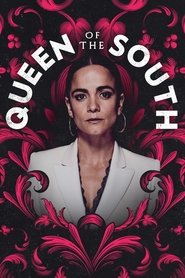
Queen of the South follows Teresa after she flees Mexico when her drug-runner boyfriend is murdered. In Dallas, she seeks to become the country's leading drug smuggler and avenge his death. Its five seasons suit viewers who want cartel survival to develop into an explicit rise to power.


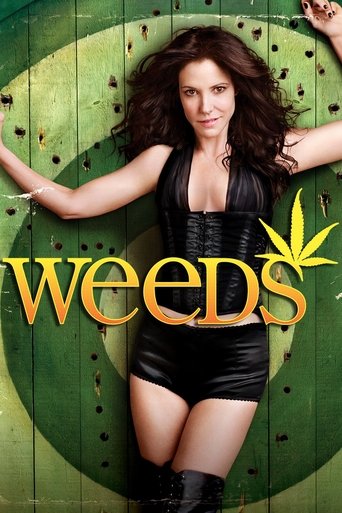
Weeds begins when a suburban mother sells marijuana to support her family after her husband's unexpected death. Its eight seasons keep family conflict, daily drama, and dark comedy close to the drug-dealing premise. Choose it when the suburban-crime side of Good Girls is the attraction and a longer commitment sounds welcome.