

Unabomber vs Manhunt vs Ted K: Which Ted Kaczynski Story to Watch
Three dramatizations tackle the exact same true crime case from completely different angles. Here is how to choose the right one for your mood.
KinoShelf Journal · · 2 min read
The differences between Unabomber, Manhunt, and Ted K come down to which part of the story you want to watch: the Harvard origins, the forensic FBI puzzle, or the claustrophobic life in the Montana cabin. Unabomber focuses on psychological trauma and the manhunt, Manhunt follows the FBI investigation, and Ted K stays close to Kaczynski during his isolated Montana years.
- For a compact, fast-paced origin story: Unabomber (2026).
- For a meticulous detective puzzle: Manhunt (2017).
- For an atmospheric, subjective mood piece: Ted K (2021).
The Dual-Timeline Origin Story: Unabomber

Unabomber operates as a psychological thriller built around a specific frame: how Henry Murray's controversial Harvard stress experiments might relate to Kaczynski's later violence. Director Janus Metz crosscuts between a young Kaczynski under Murray's influence and the older Kaczynski being tracked by an FBI task force.
At 101 minutes, it attempts to explain the "why" rather than only the "how." The dynamic between Jacob Tremblay's vulnerable student and Russell Crowe's manipulative academic makes it the most conventional drama of the three. Its compact dual timeline also gives the actual investigation less room.
The Procedural Puzzle: Manhunt

The first season of Manhunt, titled Manhunt: Unabomber, follows the investigation. Rather than focusing solely on Kaczynski's motives, it turns vocabulary, syntax, and FBI analysis into the engine of the story.
This approach needs more time than either film and pays closer attention to evidence and institutional conflict. Manhunt is an anthology series, and only its first season covers Kaczynski, so the second season is not part of this case.
The Claustrophobic Character Study: Ted K
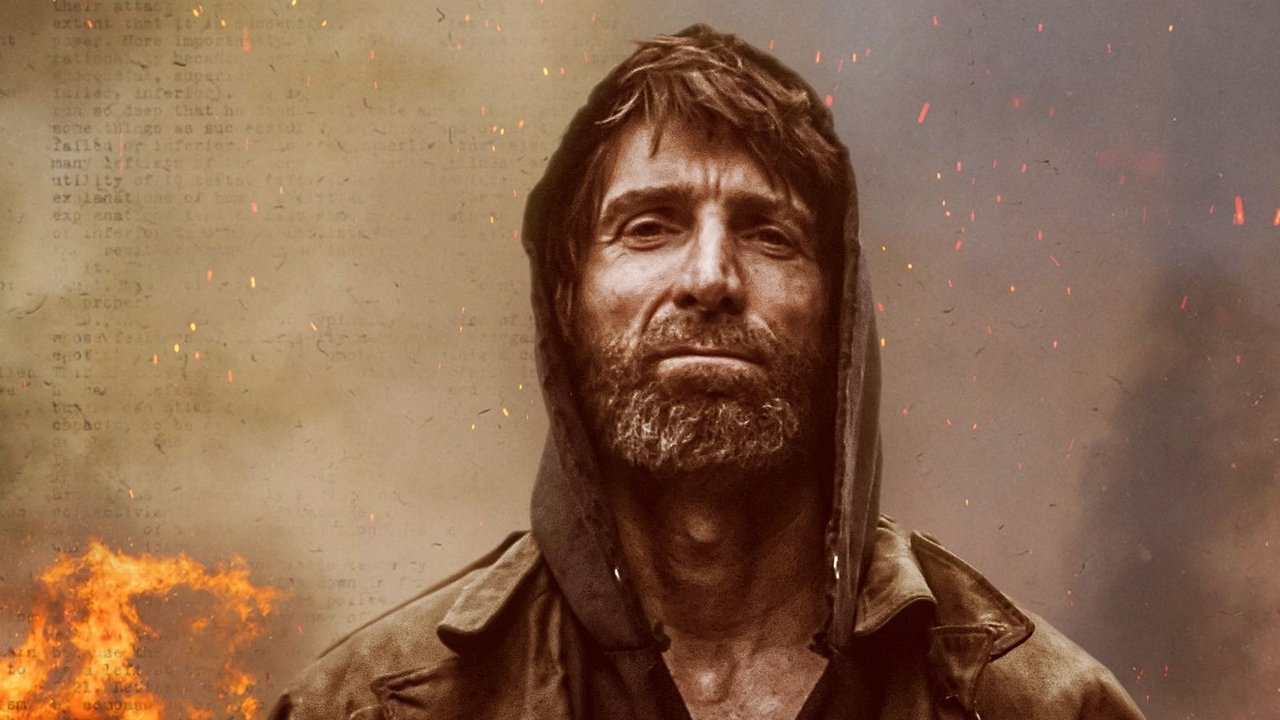
Ted K rejects the investigation-first structure. Director Tony Stone instead builds a 120-minute character study around Kaczynski's life in Lincoln, Montana, during the years before his arrest.
Sharlto Copley's performance and the film's first-person emphasis keep the audience close to an increasingly isolated subject. It suits viewers who want an austere character portrait rather than an FBI puzzle or the Harvard backstory.
The Verdict and Watch Order
The largest difference is the viewing commitment: one film centered on Harvard, a season of investigation, or a sustained portrait of life in Montana.
For viewers who want all three, start with Unabomber for the Harvard-centered origin frame, continue with Ted K for the Montana years, and finish with Manhunt for the investigation. That order moves from the 2026 film's proposed cause, through isolation, to capture without treating any single dramatization as the complete historical record.