

Unabomber Ending Explained: Why Joanne Cries and the Final Intercut
Understand why the film intercuts the cabin raid with Harvard, what Joanne's tears really mean, and where it draws the line between explanation and excuse.
KinoShelf Journal · · 2 min read
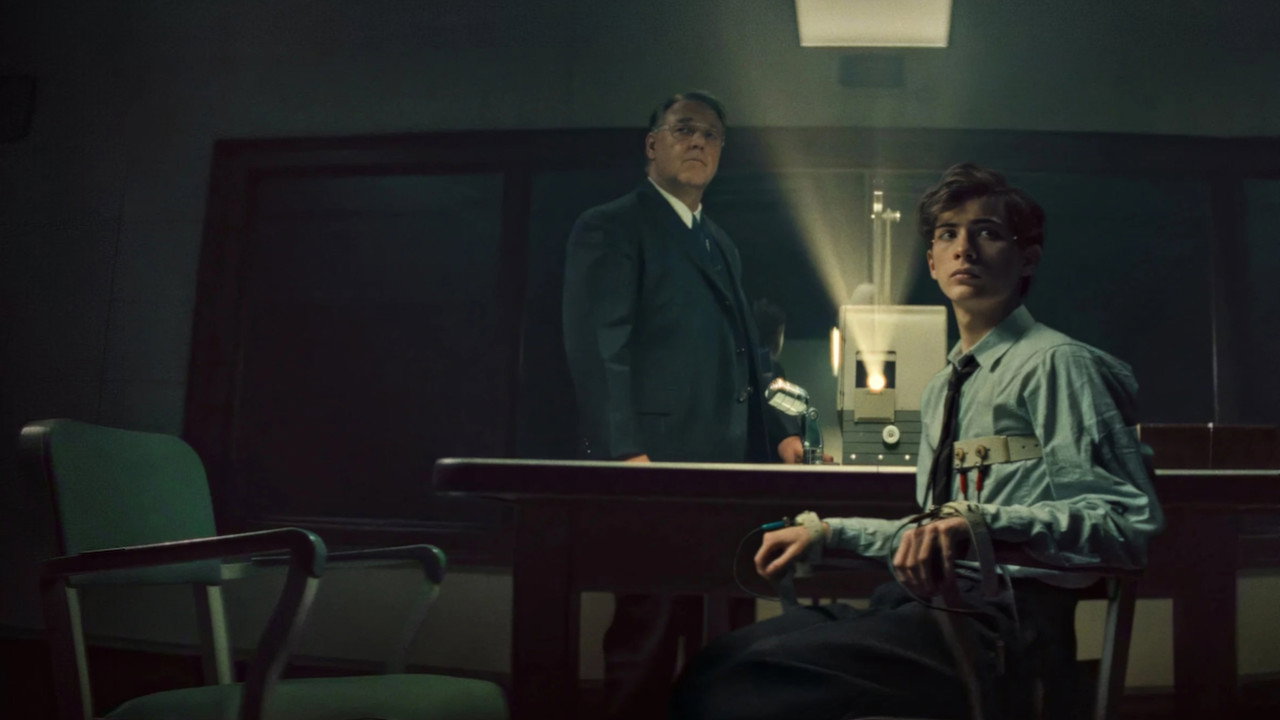
The ending of Unabomber deliberately withholds the triumph typical of a manhunt thriller. By intercutting Ted Kaczynski's arrest with his final, dramatized encounter with Professor Henry Murray, the film frames his capture as the endpoint of institutional, familial, and personal failure. Joanne Miller's grief marks the boundary between explaining violence and excusing it.
The Final Intercut: Ending Innocence and Freedom
The climax of the film merges two timelines to underline a thematic collapse rather than a procedural win.
This story has 3 spoiler sections.
Director Janus Metz uses the parallel to place the end of Ted's innocence beside the end of his freedom. The juxtaposition proposes a connection between institutional abuse and his later isolation without absolving him of the violence that followed.
Why Joanne Cries: Empathy Without Excuse
Joanne Miller anchors the audience's perspective throughout the investigation, and her final reaction subverts the standard celebratory beats of the crime genre.
According to Metz, she grasps the tragedy of a family falling apart and of a violated child becoming what he became. Understanding the origins of the violence cannot undo its damage, so the film ends her investigation with grief rather than satisfaction.
Explanation vs. Excuse: The Real Target of the Film
The narrative carefully navigates the danger of making its subject sympathetic by actively resisting a single-cause reading of his radicalization.
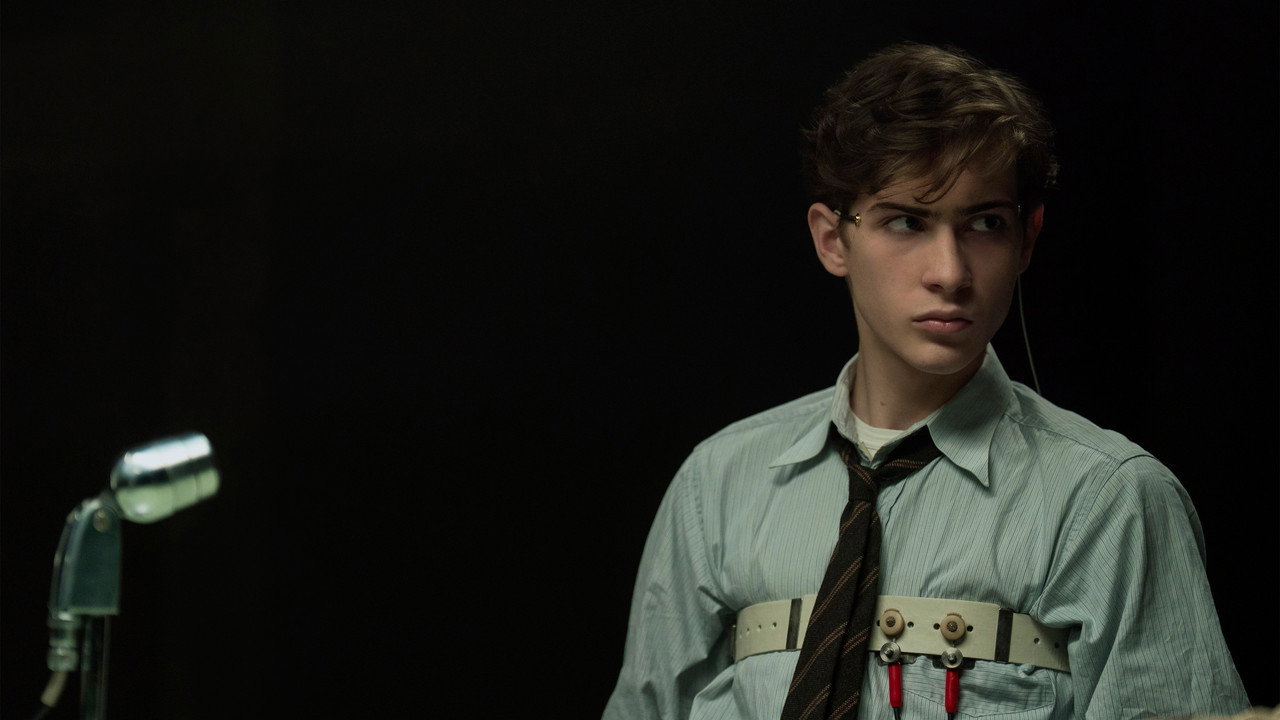
Murray's methods were unethical, but the script leaves room to question whether the experiment caused Ted's later violence or became one part of a much longer history. The film can trace a psychological fracture without turning it into an alibi.
Fact vs. Fiction: The FBI's True Role
The procedural elements of the story take significant creative liberties to build their thematic weight and shift the focus away from traditional police work.
The actual arrest on April 3, 1996, and the evidence found in the cabin are matters of FBI record, but the agents driving the film's 1990s timeline are entirely fictionalized. Joanne Miller acts as an emotional core and a narrative proxy for the audience's attempt to understand the bomber's psychology. Furthermore, while the Harvard experiment is a documented fact, the highly dramatic final confrontation between Murray and Kaczynski is a speculative invention by the writers.
The ending depends on changes to Ted Kaczynski's true story, especially its fictionalized task force and dramatized Harvard relationship. Those changes explain why the final note is mourning rather than procedural satisfaction.