

How Accurate Is Unabomber? What Netflix Changed About the True Story
The film uses documented events from the Harvard stress study as scaffolding, but invents a clean origin story for a senseless bombing campaign.
KinoShelf Journal · · 4 min read
Netflix's Unabomber builds its narrative on the documented reality of a three-year psychological stress study at Harvard, but it heavily fictionalizes the FBI investigation and invents personal relationships to supply a clean origin story for a senseless bombing campaign. The screenplay maps academic abuse onto later domestic terrorism, requiring viewers to separate what happened to Ted Kaczynski from what the film claims it meant.
- The Harvard study is real: Kaczynski participated in Henry Murray's stress experiment from 1959 to 1962.
- The FBI cast is fictionalized: Agent Joanne Miller is an invented composite designed to serve as an audience entry point.
- The capture was familial, not procedural: The real breakthrough came when David Kaczynski and Linda Patrik recognized the manifesto's ideas.
- The timeline: Kaczynski was arrested at his Lincoln, Montana cabin on April 3, 1996.
The Harvard Experiments: Documented Abuse vs. MKULTRA Myths
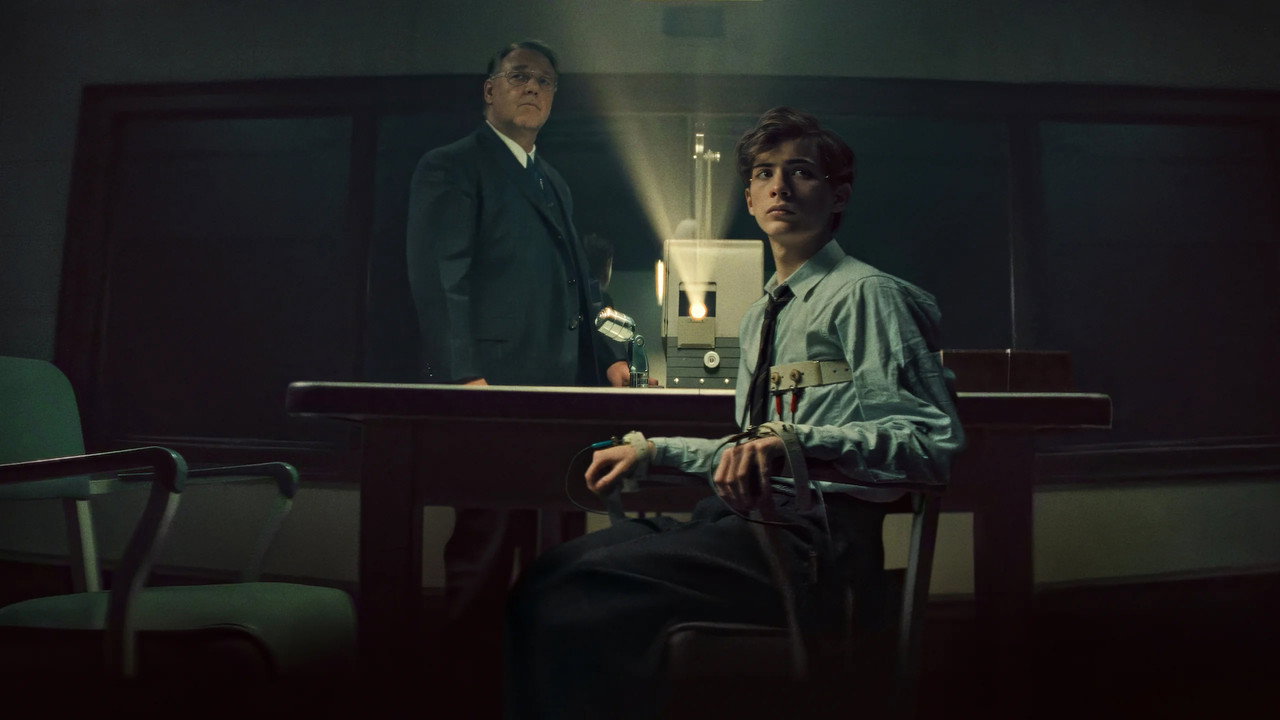
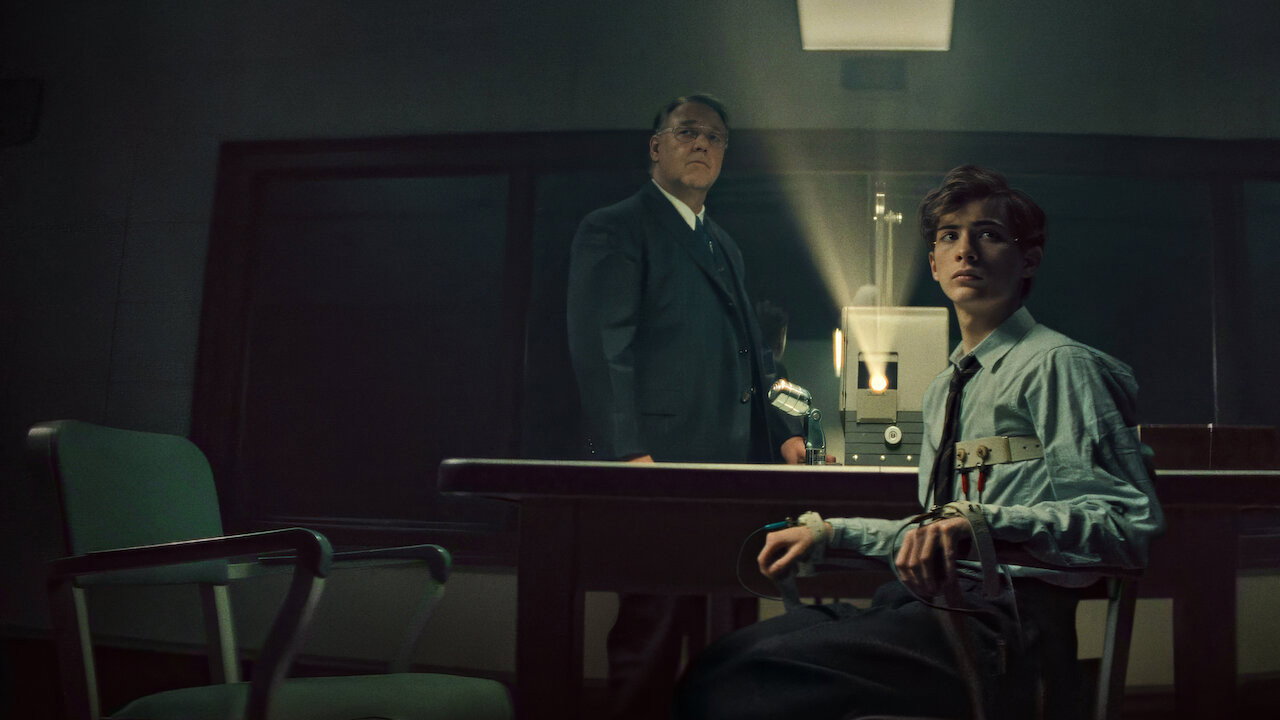
Kaczynski entered Harvard at 16 as a mathematics prodigy. The film focuses heavily on his participation in a psychological study led by Professor Henry Murray. The baseline facts of this study are documented history: from 1959 to 1962, Kaczynski was subjected to an experiment designed to measure stress responses through intensely personal, abusive challenges to the subjects' beliefs.
This story has 3 spoiler sections.
Where the film diverges from the record is in its definitive linking of this study to the CIA's MKULTRA mind-control program. While historians have heavily scrutinized the ethics of Murray's methods, direct government sponsorship of this specific experiment remains unconfirmed. Furthermore, Kaczynski himself later disputed the narrative that the Harvard experiment broke his psyche or directly caused his radicalization.
Henry Murray and the Causation Trap
Biopics inherently seek cause and effect, and the film uses Murray to provide Kaczynski with a definitive antagonist. The screenplay elevates the professor into a central mentorship role, positioning him as an enigmatic father figure who grooms a fragile teenager.
In reality, the psychological experiments were largely administered by graduate assistants. There is no historical evidence of the deeply personal, cat-and-mouse relationship depicted on screen. By collapsing a clinical, institutional study into a tight interpersonal drama, the narrative forces an origin story. It suggests that if a brilliant mind is subjected to systemic cruelty, violence is the inevitable output.
Was FBI Agent Joanne Miller a Real Person?
The 1996 timeline follows a frustrated FBI task force. The film uses Joanne Miller to anchor this sprawling investigation, framing her as the lone voice willing to understand the bomber's psychology.
Miller is entirely fictional. There was no agent by that name on the UNABOM task force. The filmmakers designed her as an audience proxy, someone who approaches the case by analyzing the bomber's mind and writing. She gives the audience a single protagonist within a large federal investigation.
What Actually Led to the Montana Cabin Arrest
The film gives its fictional FBI protagonist a central role, but it also includes the family tip that identified Kaczynski.
The actual breakthrough came from Kaczynski's family. The FBI approved publication of the 35,000-word manifesto in 1995 hoping someone would recognize its ideas and language. Linda Patrik noticed similarities and brought her concerns to her husband, David Kaczynski.
David provided investigators with his brother's earlier writing, helping connect its vocabulary and phrasing to the manifesto. This tip led investigators toward Kaczynski's remote cabin, where he was arrested on April 3, 1996. Agents recovered a completed bomb and extensive handwritten records.
The Verdict: Empathy, Explanation, or Exculpation?
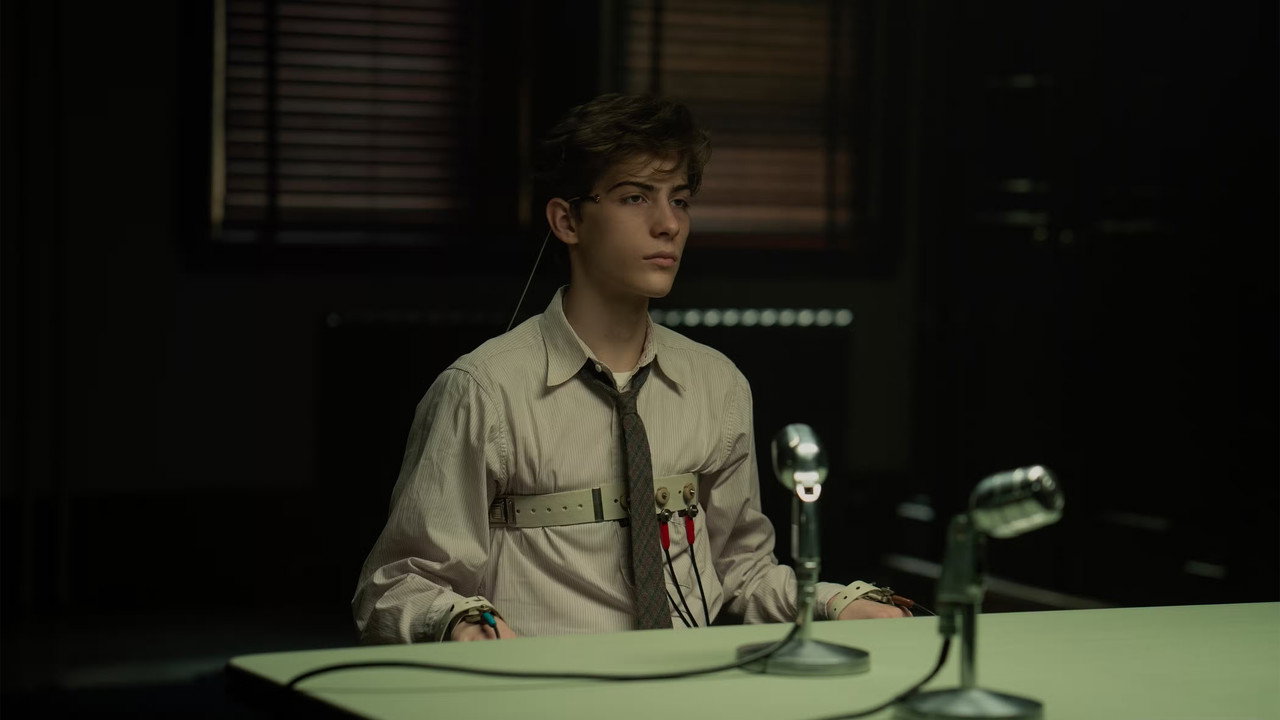
Unabomber concentrates on the vulnerability of the young Kaczynski. By focusing so intensely on the Harvard years, the story attempts to provide a singular explanation for Kaczynski's descent.
Different portraits of Ted Kaczynski emphasize the Harvard years, Montana isolation, or the investigation. The choice depends on which part of that history interests the viewer. The film works as a psychological thriller about institutional abuse if empathy for a teenager's alienation is not mistaken for exculpation of a seventeen-year bombing campaign.