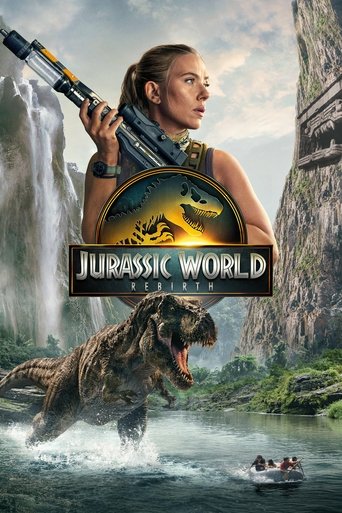


Jurassic World Rebirth Ending Explained: Ownership vs. Stewardship
The finale separates scientific knowledge from corporate possession, though its ethical argument moves faster than Zora's character arc.
KinoShelf Journal · · 4 min read
The ending of Jurassic World Rebirth shifts its covert extraction mission from possession to stewardship. The samples remain physical assets, the formula is knowledge, and neither one is the same as a proven medicine ready for patients.
What the Samples Can and Cannot Do
The ending handles three separate things: biological samples, a formula derived from research, and the medical value that formula might eventually support. Treating them as interchangeable would make the final choice sound more certain than the film allows.
This story has 5 spoiler sections.
Open access to a formula does not manufacture a treatment, prove clinical effectiveness, settle regulation, or guarantee free distribution. The ending changes who can work with the knowledge; it does not show that the promised medical outcome already exists.
Loomis's Objection to Private Ownership
Loomis questions why one private company should control the discovery and argues for democratizing the knowledge. His objection distinguishes funding an expedition from owning every possible public benefit that follows from it.
That argument turns the central conflict into more than surviving an island. The question is whether risk and capital create permanent ownership, or whether a discovery with broad medical value creates obligations beyond the contract.
Krebs and the Handcuffed Case
Krebs represents possession in its most literal form. He does not merely defend the company's claim in words; he treats physical control of the samples as the only outcome that matters.
The chain makes ownership a bodily burden. Krebs cannot separate himself from the asset, so the film turns exclusive possession into the mechanism of his loss. That contrast also leaves room for the D-Rex's suffering to register alongside its role as a threat.
Duncan's Act of Stewardship
Duncan provides the opposite model. Stewardship here means accepting risk for people who cannot repay it, not taking control of the biological prize.
The difference is not that Duncan rejects survival. His action directs danger away from strangers, while Krebs binds the valuable object to himself. The finale's use of scale and distance makes that moral contrast visible before the boat conversation explains it.
What Zora Means by Everyone
Everyone is an ethical direction, not a distribution plan. It rejects exclusive corporate control, but it does not answer who validates the formula, funds development, manufactures a treatment, or decides how access works across countries.
The ending therefore promises shared scientific access, not a completed cure or a legally guaranteed free product. Its claim is narrower and more credible: potentially valuable knowledge should not begin behind a single owner's gate.
Why the Ending Resets the Franchise's Ethics
The original Jurassic Park begins with a wealthy entrepreneur claiming control over living creatures produced from ancient DNA. Rebirth keeps the warning about private possession but allows scientific knowledge to have a public purpose.
The change is from ownership to responsibility, not from dangerous science to harmless science. The dinosaurs remain beyond human control, while the humans get one chance to decide how they handle what they learned from them.
Where Zora's Turn Feels Rushed
The symbolism is clearer than the character development. Krebs's handcuff, Duncan's flare, and Loomis's argument establish the ethical choices, but Zora's movement between them receives less time.
The decision fits the film's argument, yet the internal change feels compressed rather than fully dramatized. It is part of the same trade-off behind whether Rebirth is worth watching: the creature staging often has more room than the human arcs.
More Science Fiction About Engineered Life
The extraction missions and engineered predators around Rebirth lead to a broader science-fiction question: who controls a discovery once living biology becomes valuable? These four films approach ownership from different directions.
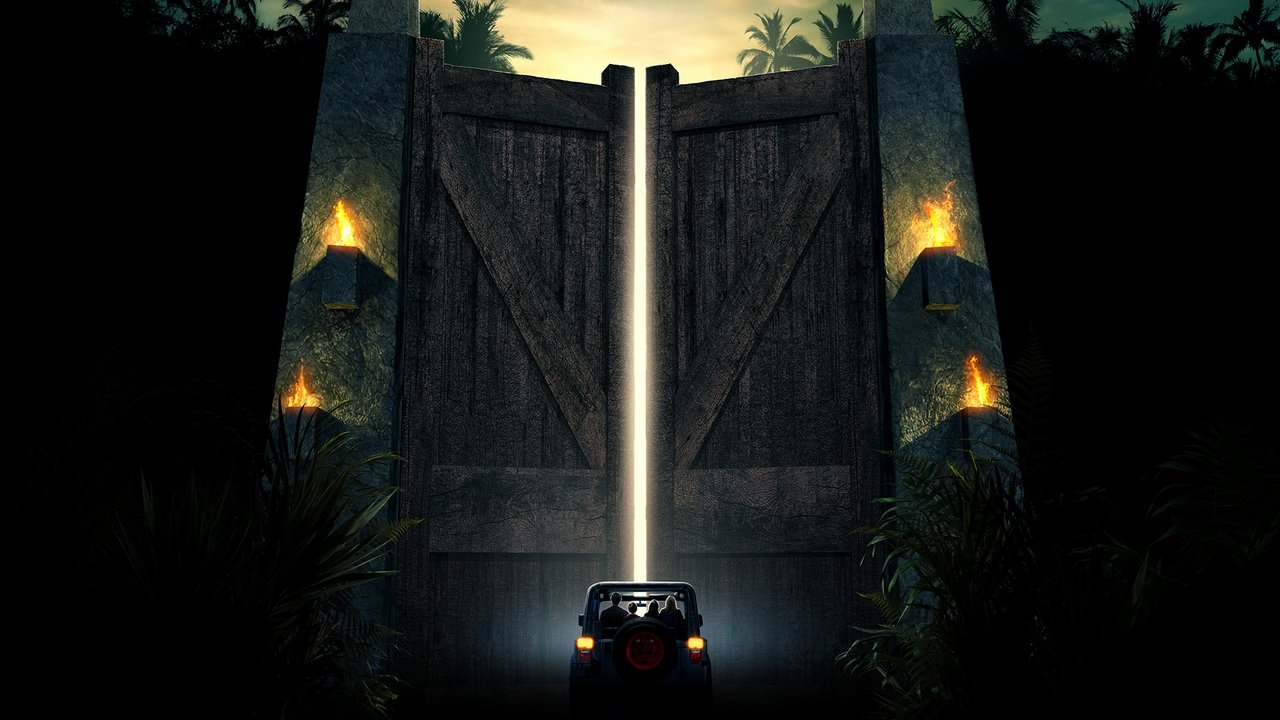
In Steven Spielberg's Jurassic Park, a wealthy entrepreneur builds a private attraction around living dinosaurs created from prehistoric DNA. Its 127 minutes ask whether designing the animals gives the park any real authority over them, making it the clearest franchise companion to Rebirth's ownership argument.
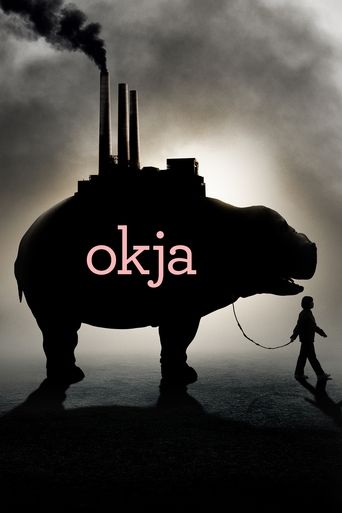
Bong Joon Ho's Okja follows a girl trying to stop a multinational company from taking the massive animal she considers her best friend. The 120-minute film makes corporate ownership personal by asking whether creating or financing an animal gives a company the right to reclaim it.

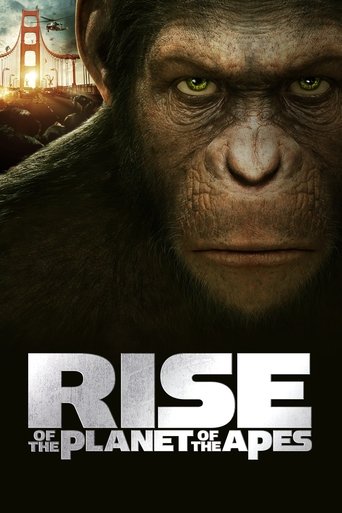
Rupert Wyatt's Rise of the Planet of the Apes centers on an intelligent chimpanzee who is taken from a suburban home to a cruel primate facility. At 105 minutes, it shifts the ownership question from valuable samples to a living subject who can reject confinement.
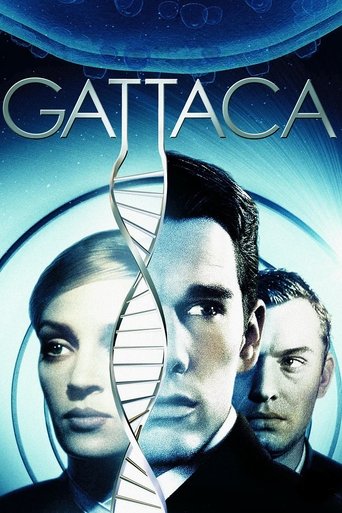
Andrew Niccol's Gattaca follows a man defying a system obsessed with genetic perfection by assuming the identity of a member of its genetic elite. Its 107 minutes move the debate from who owns biological research to who gets excluded when DNA becomes social authority.