

Jurassic World Rebirth's Best Scenes, Ranked by Scale
The film's strongest set pieces turn open water, cliff height, noise, and narrow spaces into clear spatial disadvantages.
KinoShelf Journal · · 3 min read
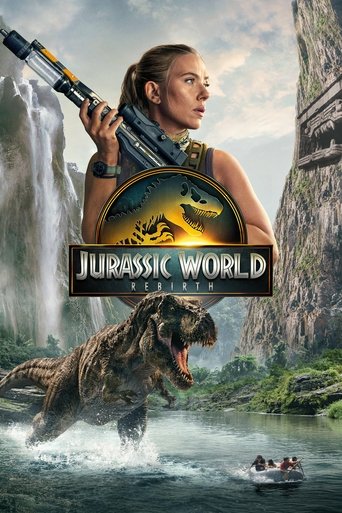
Jurassic World Rebirth works best when a creature changes the shape of the humans' problem. Gareth Edwards turns open water, cliff height, a noisy raft, and narrow aisles into disadvantages that remain clear even when a dinosaur cannot fit inside the frame.
- Best use of tension: The sleeping T. rex and the noisy raft.
- Best use of terror: The sea hunt, where scale removes any safe direction.
- Best use of awe: The Titanosaurus encounter, which pauses pursuit for vertical scale.
How the Scenes Are Ranked
This ranking favors spatial clarity over creature size. Each scene needs a readable boundary, a human limitation, and a change in the available escape route. The Delgado subplot earns its place by supplying the raft sequence and a smaller human perspective, even if it also divides attention from the extraction team. That craft is separate from whether the action justifies 134 minutes, since character depth remains a different test.
No. 6: The Titanosaurus Encounter
The film pauses its pursuit structure for Henry's emotional encounter with the Titanosaurus. Human figures stay low while the animals occupy the vertical space above them, so scale produces awe rather than immediate danger. The contrast matters because the predator scenes use the same size difference to restrict movement.
No. 5: The Quetzalcoatlus Nest
The cliff approach creates a vertical disadvantage before the flying creature becomes the main threat. Movement is limited by the rock face, lateral escape is difficult, and retreat requires the same exposed route. Height becomes part of the encounter rather than a decorative backdrop.
No. 4: The D-Rex Flare Finale
Darkness and the extraction area prevent a complete view of the final creature. The scene keeps the humans' choices legible by reducing them to the gate, the arriving transport, and a distraction.
This story has 2 spoiler sections.
No. 3: The Mutadon Store
The convenience-store pursuit deliberately echoes the original franchise's kitchen hunt. Bright aisles create narrow sightlines and few clean exits, so stealth matters more than speed.
No. 2: The Open-Water Hunt
The sea hunt removes solid ground at the start of the film's three-part creature quest. ILM combined real plates with digital water, keeping the surface readable while the Mosasaurus breaks its boundaries. The creature was enlarged shot by shot, sometimes to 400 percent, so parts of it would remain outside the frame. Open water offers movement in every direction but safety in none.
No. 1: The Sleeping T. Rex and the Raft
The raft sequence adapts an episode from Michael Crichton's novel and turns inflation noise into the decisive constraint. The nearby T. rex does not need to chase anyone for the geometry to work: the family needs the raft, the raft makes noise, and the river offers the only route away. Precise timing creates more tension than a faster attack would.
Other Films That Build Scale Through Space
The same creatures too large for the frame principle appears in films that use different terrain and threats.
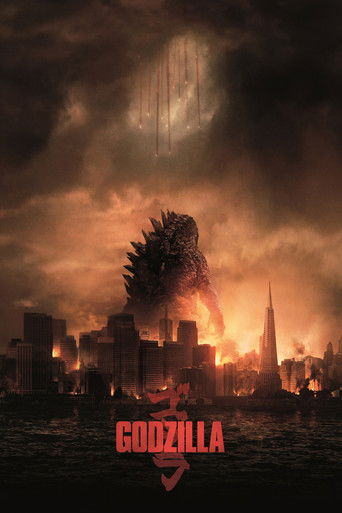
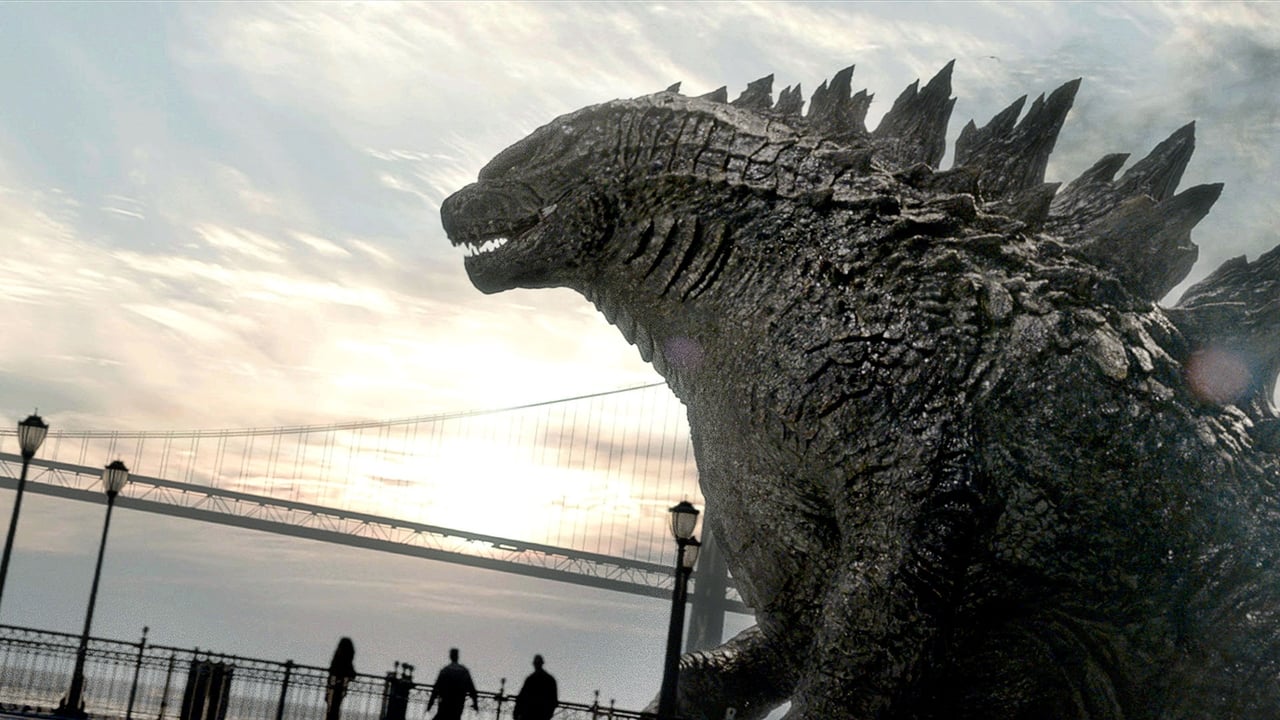
Godzilla often anchors its giant creatures to a human vantage point. Buildings, clouds, and frame edges interrupt a complete view, making size readable through what cannot fit on screen.
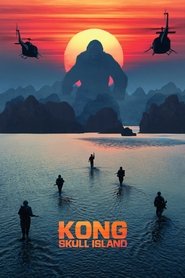
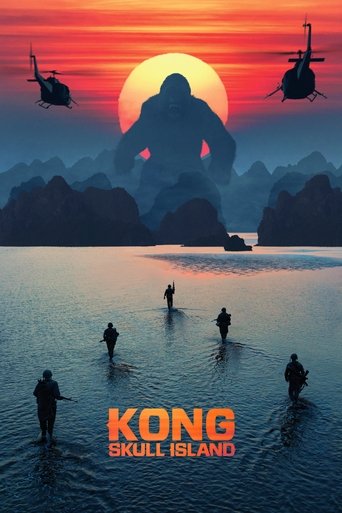
Kong: Skull Island uses an expedition team's route through a primordial island to compare people with giant animals and the surrounding terrain. The faster pace makes its scale more aggressive than Rebirth's moments of awe.
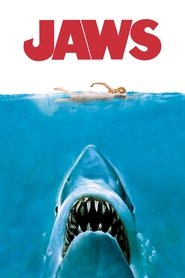
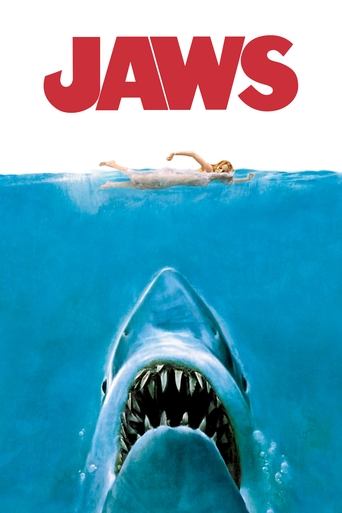
Jaws builds open-water suspense by delaying a clear view of its shark. The small boat and the surface line give the threat a precise spatial relationship to people who have nowhere solid to stand.
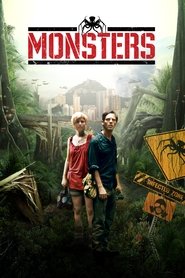
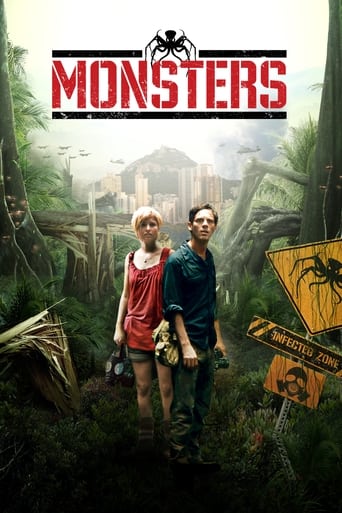
Monsters places alien life inside a quarantined Central American landscape. The creatures feel large because they belong to the environment while the people crossing it remain temporary visitors.
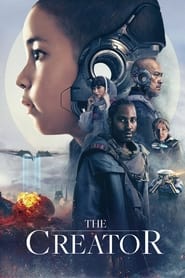
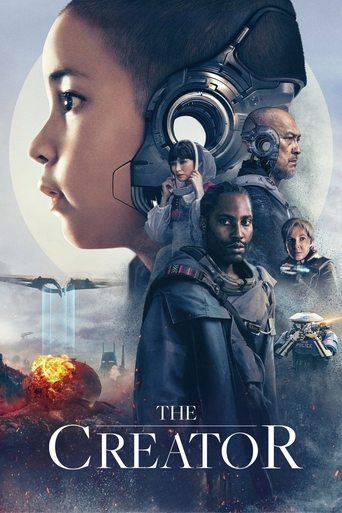
The Creator brings Edwards' human-height framing to a future war shaped by artificial intelligence. Its large technological spaces make individual movement feel exposed without turning every sequence into a creature attack.