
The Distortus Rex Is Jurassic World Rebirth's Saddest Dinosaur
Far from a generic final-boss upgrade, the asymmetrical creature reflects InGen's cruelest genetic failure while human greed drives the real horror.
KinoShelf Journal · · 3 min read
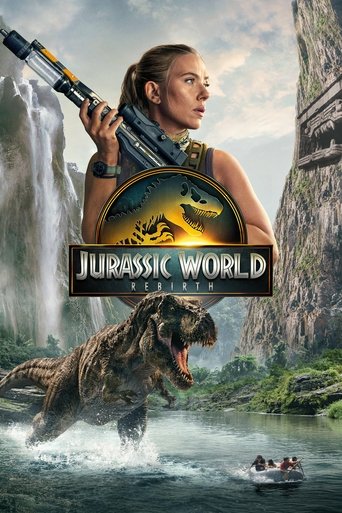
Jurassic World Rebirth frames the Distortus Rex as a failed experiment rather than a genetic upgrade. Its asymmetry, limited speed, isolation, and fearful curiosity around light make it an animal burdened by human design, while Krebs supplies the moral calculation the creature lacks.
The Backlash Against Another Engineered Dino
The D-Rex split viewers between fascination and fatigue. Some embraced its strange silhouette; others saw the round head and uneven proportions as another engineered escalation in a franchise that already had dinosaurs. That disagreement also shapes whether Rebirth earns another chance for viewers tired of manufactured threats.
The visual-effects team offers a more specific reading than "a bigger final boss." Charmaine Chan describes the creature as unique, asymmetrical, sad, and trapped on the island. David Vickery says these failed experiments were never meant for public view. Its lack of predatory elegance is the point, not a design problem the film failed to notice.
A Body That Limits Its Power
Its physical design makes movement look difficult. Vickery says the heavy head limits its speed, while the animators used gorilla movement as a reference. The result is weight without clean efficiency: a creature that must accommodate the body it was given.
That distinction matters because the design does not ask the D-Rex to look like a better Tyrannosaurus rex. The familiar predator remains visible underneath an asymmetrical experiment, making the animal evidence of failure rather than proof that the laboratory improved nature.
Curiosity, Fear, and Why the Flare Alters the Finale
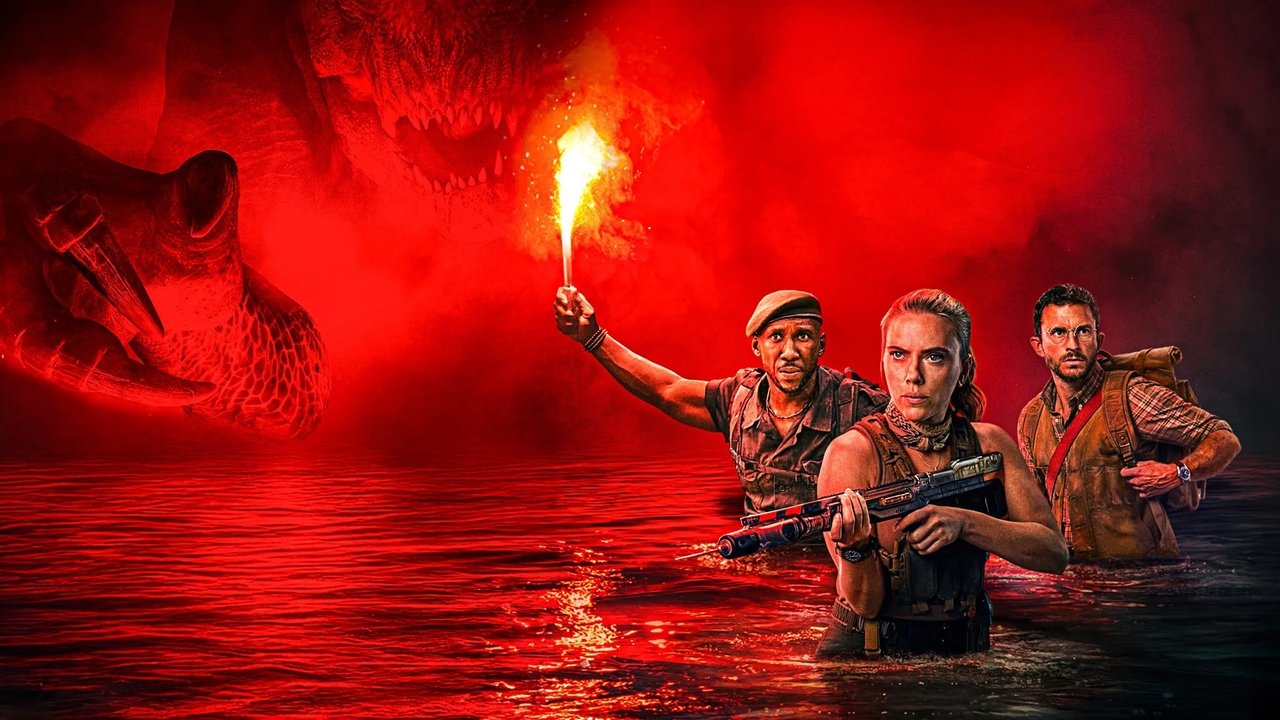
The creature’s response to light changes the moral tone of the chase. Chan says it is sensitive to light and approaches Duncan's flare through both curiosity and fear. That is animal behavior, not the planning of a human villain.
Distortus Rex and Mutadon Play Different Roles
The Mutadon functions as a predator, while the D-Rex reads as an isolated laboratory error. The Mutadon pursues its prey with speed. The D-Rex is lethal too, but its heavy head and uneven body visibly restrict its movement. The contrast prevents every altered creature from serving the same monster role.
That difference also explains why fear and pity can coexist. The D-Rex remains lethal, but its body never lets the audience forget that someone made it this way and then left it on the island.
The Island's True Monster Has Always Been Human
The D-Rex acts from animal fear, curiosity, and appetite. Krebs understands the secret mission and still treats genetic life as something to exploit. That knowledge makes him morally responsible in a way the creature cannot be.
The finale does not make the D-Rex harmless or innocent of danger. It separates danger from evil. The failed experiment can kill people and still be the saddest animal in the scene, while the human being who knows better remains the film's moral monster.
Where to Go for Tragic Mutations and Overwhelming Scale
These four films change what engineered predators mean, from pure biological threat to transformation, failed science, and overwhelming scale.
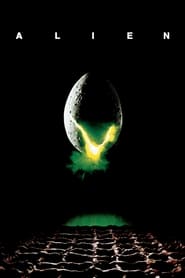
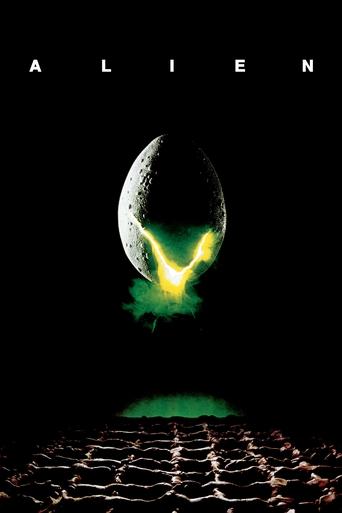
Alien begins when the Nostromo crew answers a distress signal and discovers a chamber filled with eggs. The organism offers the opposite of the D-Rex's burdened movement: biological threat stripped of pity, explanation, or human motive.
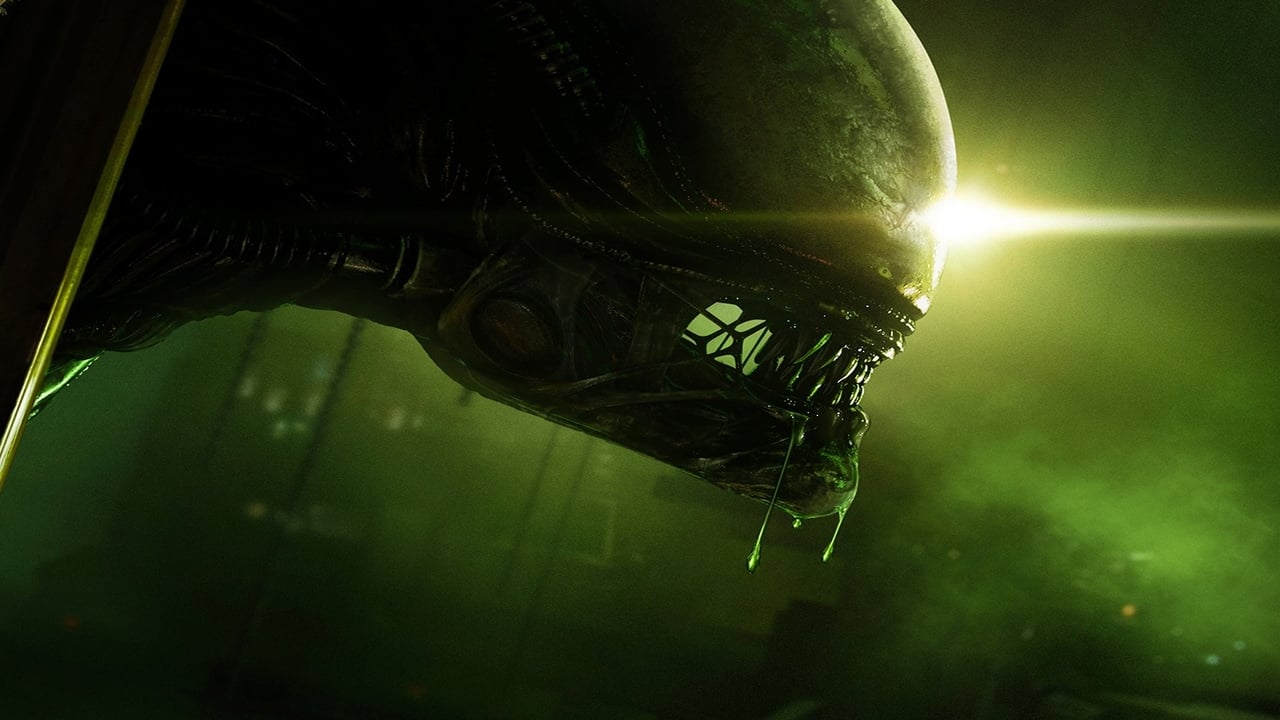
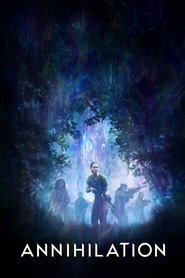
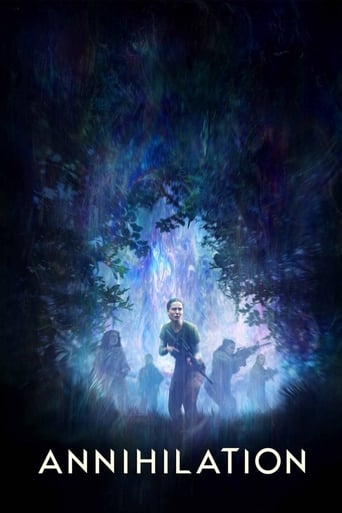
Annihilation sends a biologist into a secret expedition zone where the laws of nature no longer apply. Its DNA-driven uncertainty fits viewers more interested in transformation and biological confusion than a conventional dinosaur chase.
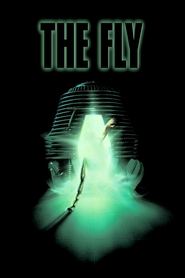
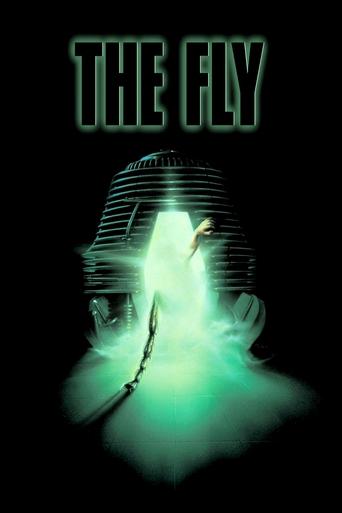
The Fly turns a technological breakthrough into body horror when a scientist tests his teleportation device and unknowingly merges with a housefly. The experiment makes transformation personal, with one mistake collapsing the boundary between inventor and creature.
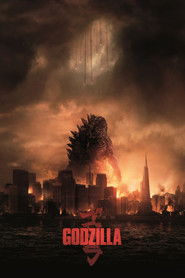
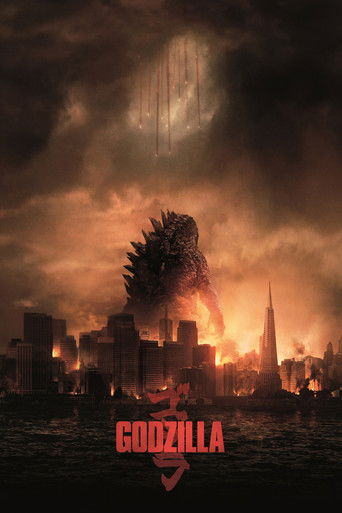
Godzilla (2014), also directed by Gareth Edwards, makes an ancient alpha predator the center of an escalating global crisis. Its massive scale suits viewers who want creature weight to reduce human plans to background noise.