
How Accurate Is Chernobyl? What HBO Changed and Why
HBO's historical drama captures the truth of the Soviet nuclear disaster, even while compressing timelines and creating composite characters.
KinoShelf Journal · · 2 min read
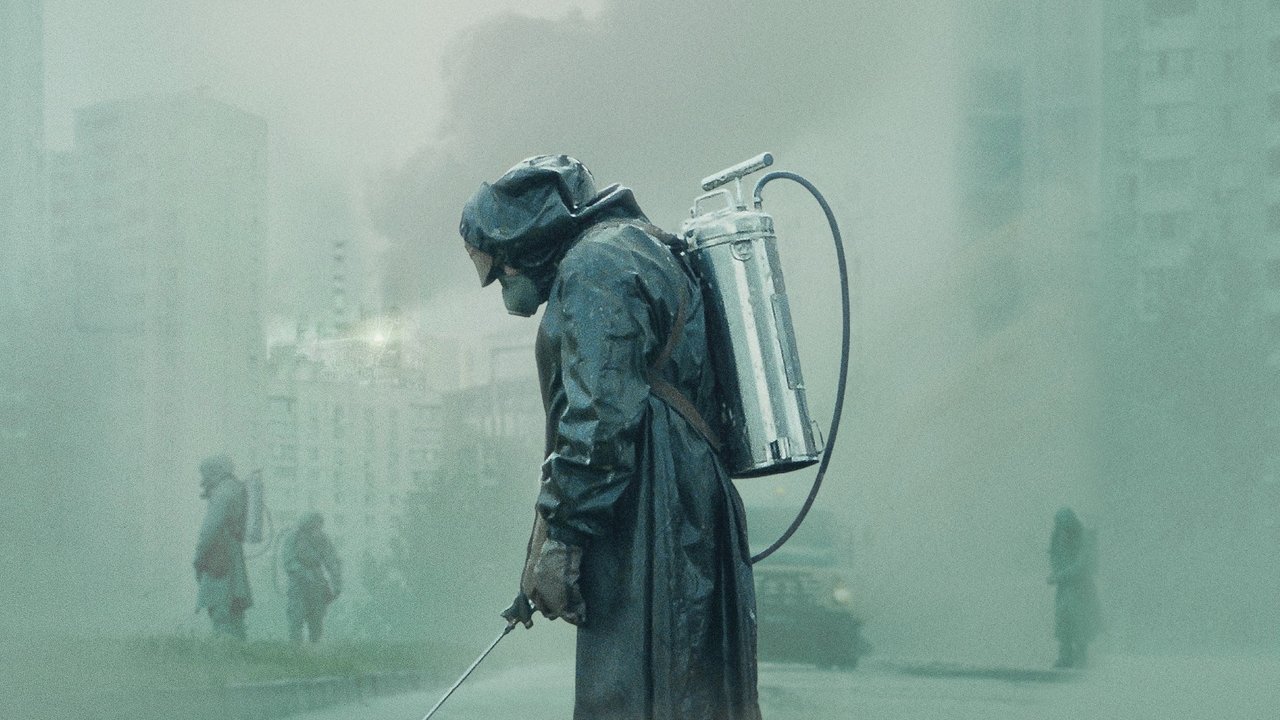
HBO's Chernobyl builds its historical drama around the design flaws and institutional failures behind the 1986 disaster. While the miniseries compresses timelines and introduces fictional protagonists, its core explanation of systemic communication failures and design flaws aligns closely with international consensus.
The distinction between documentary and drama matters here. Its account of a broken safety culture can be persuasive even where individual scenes depart from the record.
What the series gets structurally right
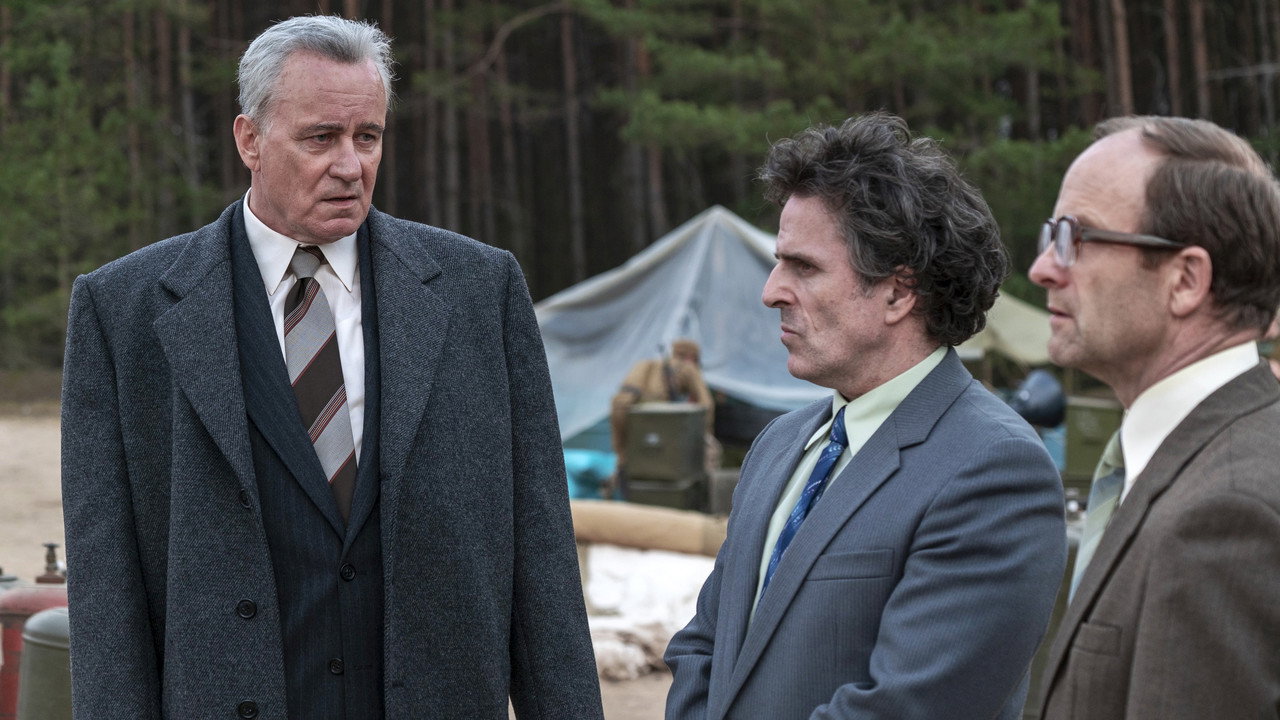
Chernobyl illustrates how secrecy can turn technical danger into institutional paralysis. According to the International Atomic Energy Agency's revised INSAG-7 report, inadequate communication and unclear responsibility were critical factors in the accident. The series converts that abstract failure into confrontations where authority outranks measurements and urgent warnings become political problems.
What drama compresses or invents
To make a sprawling investigation and cleanup fit into five episodes, creator Craig Mazin consolidates people and events. The clearest example is a composite scientist created to represent several lines of investigation.
This story has 2 spoiler sections.
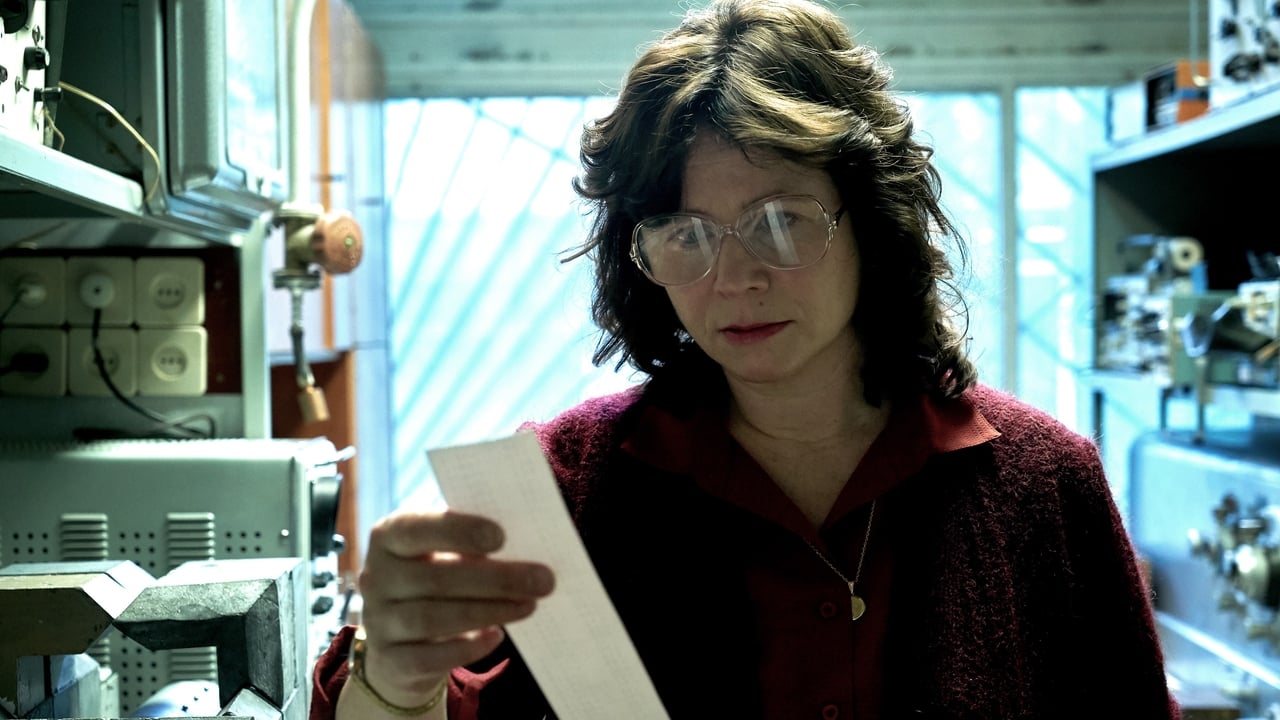
Emily Watson plays Ulana Khomyuk, a character who never existed as one historical person. The official HBO podcast identifies her as a composite inspired by real scientists. Combining that work into one investigator gives the audience a stable guide through the physics, while also replacing a collective process with a lone dramatic conscience.
How to watch its final explanation
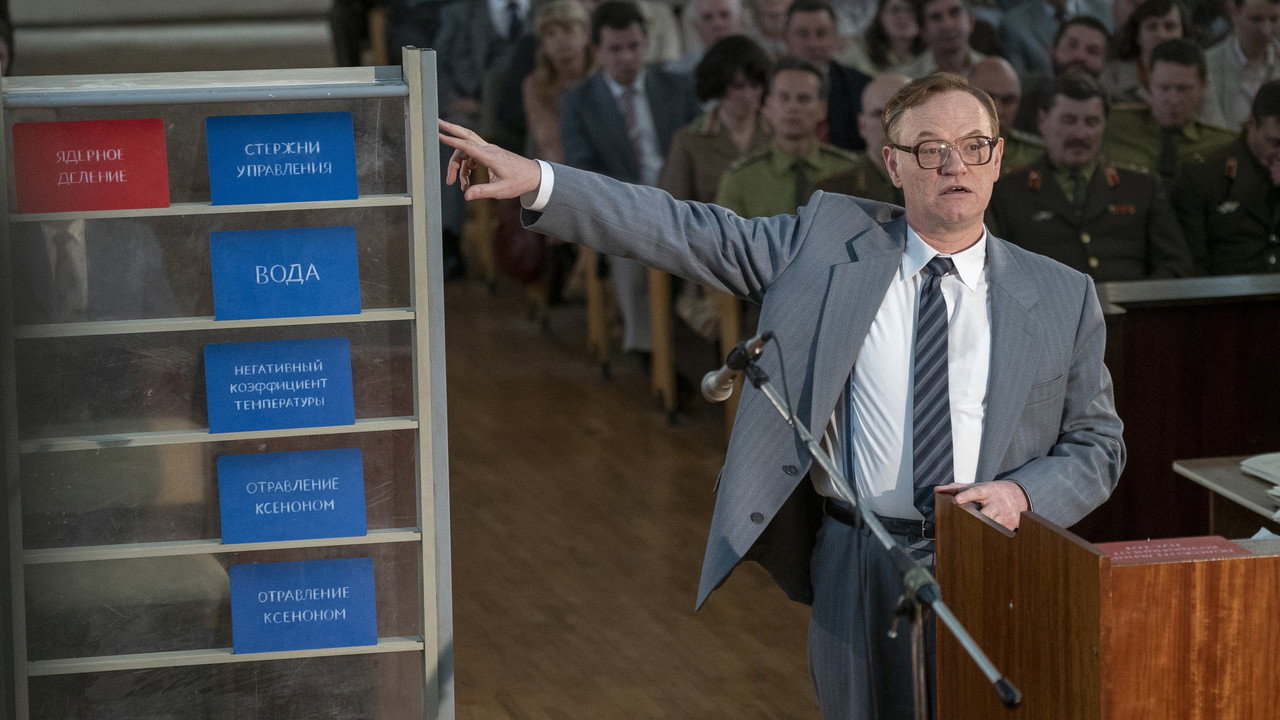
The courtroom climax revisits the disaster through its causes. Understanding the final trial's argument requires looking at how the official account of the accident evolved.
The courtroom explanation connects the operators' decisions to the reactor they were given and the risks they were never properly told about.