
Is Ulana Khomyuk Real? Why Chernobyl Needed a Composite Scientist
Emily Watson's character never existed. Here is why the series had to invent one nuclear physicist to explain the disaster.
KinoShelf Journal · · 2 min read
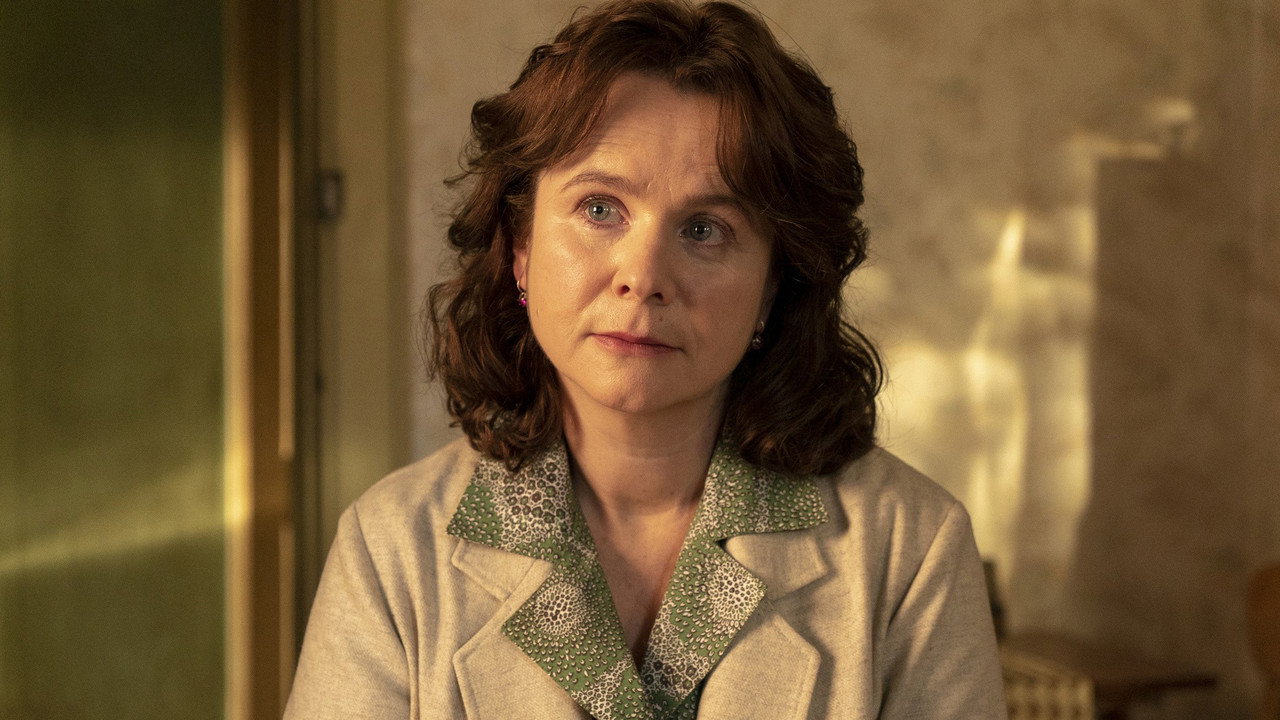
Ulana Khomyuk from Chernobyl (2019) is a fictional composite character created by writer Craig Mazin, not a single historical figure. Played by Emily Watson, she concentrates dozens of real Soviet scientists into one investigator to make the dense, collective effort of uncovering the disaster's cause legible for television.
- First appearance: S1E2, "Please Remain Calm"
- Narrative function: Represents the collective expertise and moral conscience of the Soviet scientific community
- The climax: Anchors the courtroom confrontation in S1E5, "Vichnaya Pamyat"
Is Ulana Khomyuk real?
After her introduction, Chernobyl treats Khomyuk like a specific investigator, but Emily Watson's character has no direct real-world counterpart. She is an amalgam rather than a hidden historical whistleblower.
As Craig Mazin explained on the HBO Chernobyl Podcast, Khomyuk was inspired by real scientists involved in understanding the disaster. Rather than introduce many researchers for brief appearances, the writing distills their questions, discoveries, and resistance into one face.
What a composite character does to the investigation
Dramatizing a massive catastrophe requires condensing timelines and personnel. Khomyuk gives the investigation a continuous point of view, replacing a dispersed process with one character who can carry questions from the laboratory into rooms controlled by the state.
This story has 2 spoiler sections.

Khomyuk and the pressure to testify
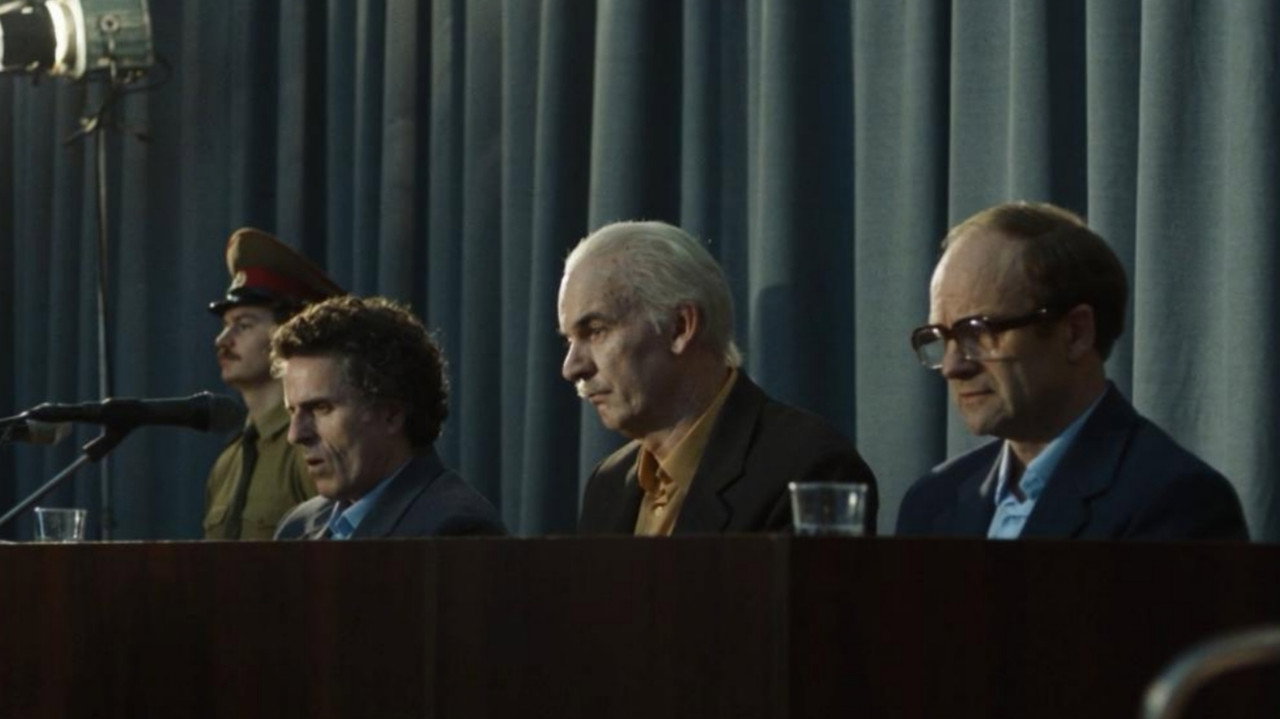
Khomyuk gives Legasov a dramatic counterpart who challenges compromise and keeps the cost of silence visible. Collective disagreement inside the scientific response becomes a relationship the series can stage.
The narrative cost of the truth
A television miniseries alters a sprawling event by giving it a small cast and a shaped ending. Khomyuk makes the researchers easier to follow, but she also changes their representation: institutional work starts to look like the achievement of one unusually fearless person.
She allows the series to ask who can speak when institutions suppress bad news, while the historical answer remains plural rather than personal.