
Chernobyl Ending Explained: What the Trial Says About Systemic Blame
The courtroom finale doesn't just reveal the fatal flaw in the RBMK reactor. It exposes how an entire political system engineered its own catastrophe.
KinoShelf Journal · · 3 min read
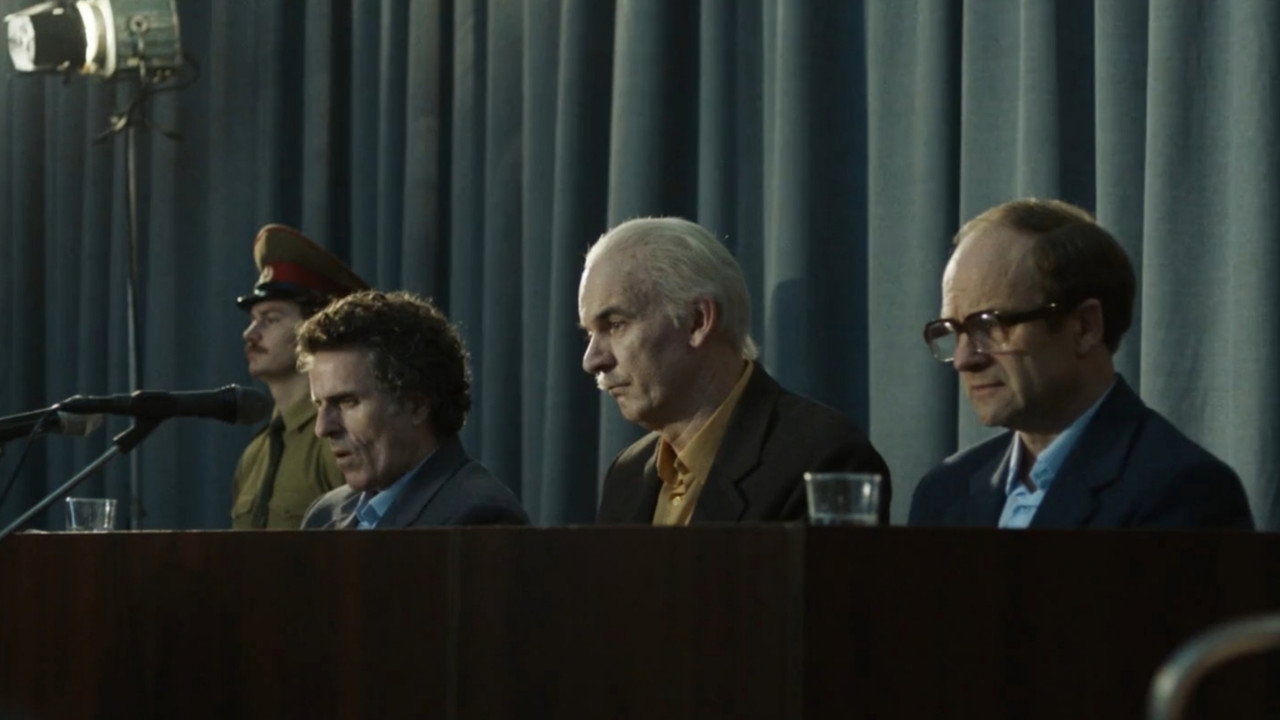
The courtroom finale of Chernobyl doesn't just reveal a fatal flaw in the RBMK reactor; it exposes how an entire safety system enabled catastrophe. The trial is staged to pin blame on three men, while the narrative keeps widening responsibility beyond them.
What the trial explains
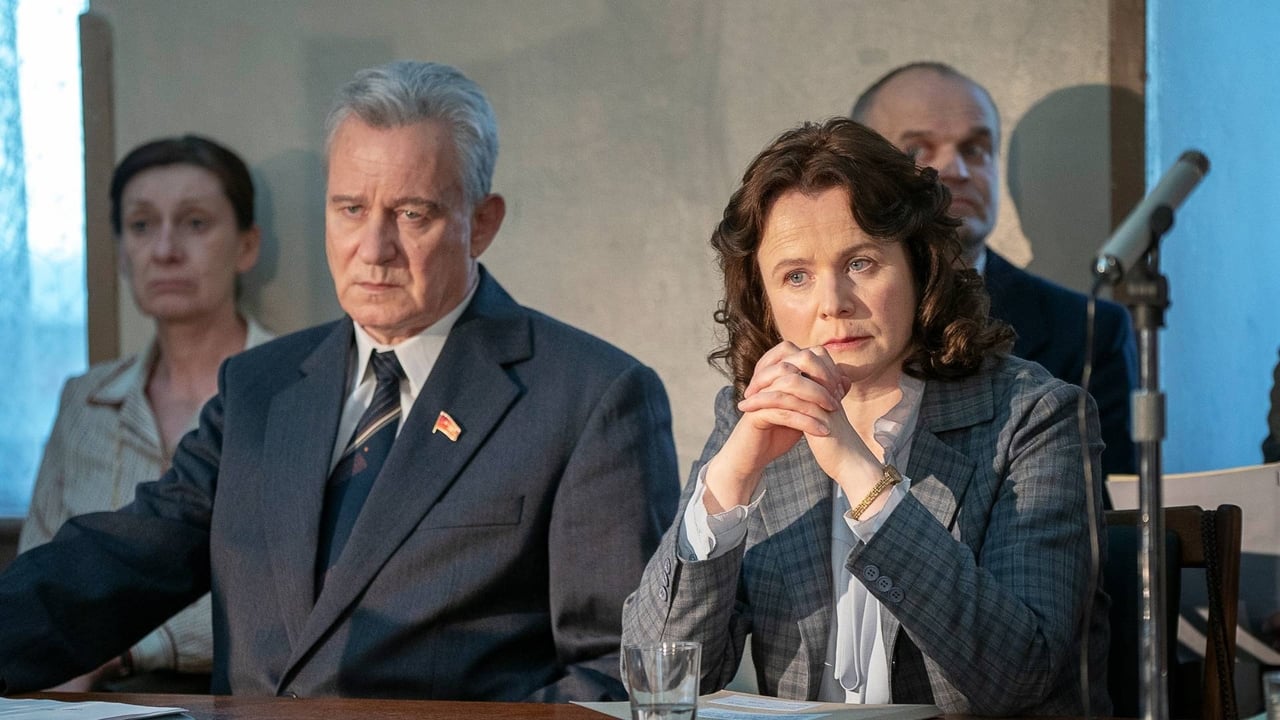
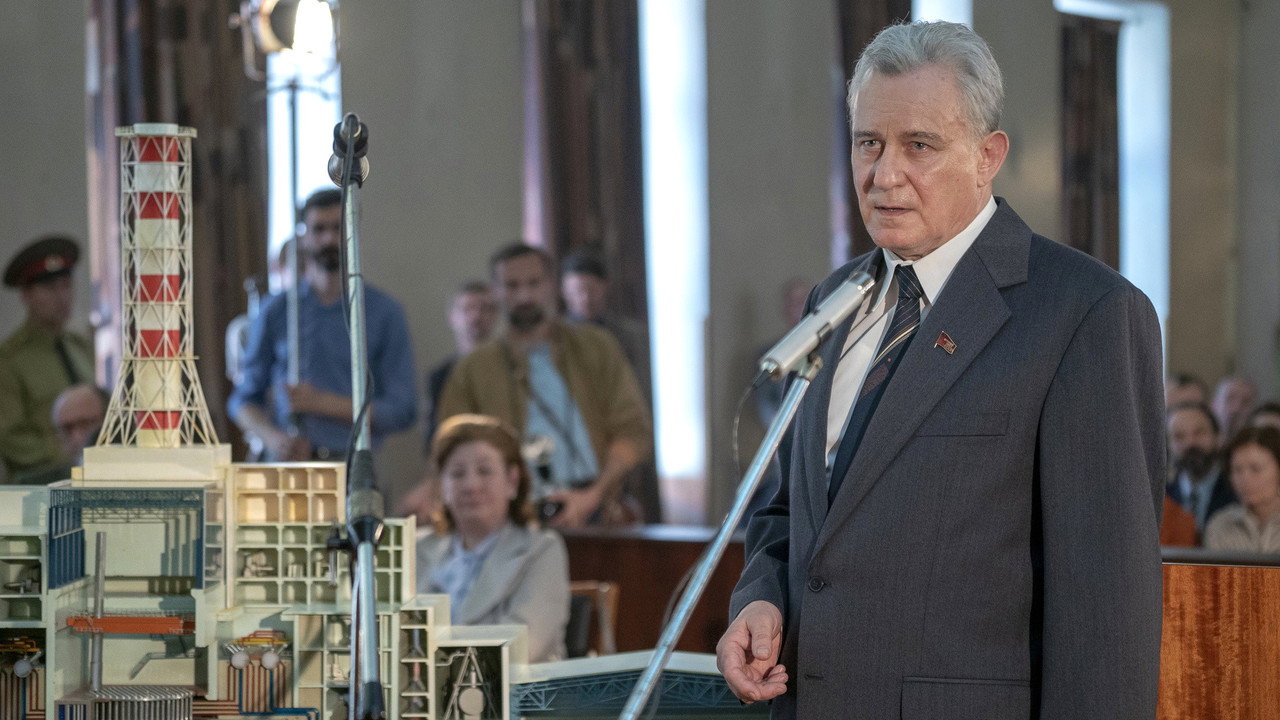
The fifth episode, "Vichnaya Pamyat," gives Chernobyl a courtroom where technical evidence and political blame can occupy the same frame. The state wants the disaster contained within the actions of plant management. The drama uses the testimony to widen that frame until the reactor design and safety culture are also on trial.
This story has 3 spoiler sections.
The distinction matters because a verdict can assign guilt without explaining why the same institutional risks existed beyond one control room.
Why the verdict narrows blame
Holding a select group of plant managers accountable serves as a convenient firewall for the state, protecting the broader institutional apparatus from scrutiny. The show presents the trial not as an objective search for the truth, but as a state-sanctioned mechanism to manage public relations and contain the political fallout. The government demands a localized explanation that absolves the central authority of any wrongdoing.
This dramatic framing aligns closely with the historical record. The IAEA's INSAG-7 report later attributed critical factors of the disaster to inadequate communication and unclear responsibility, concluding that fundamental RBMK design deficiencies essentially predetermined the severe consequences. The trial in the series acts as a performance designed to punish the symptoms while actively protecting the disease.
What Legasov's final warning changes
The conclusion shifts the focus from a historical mystery to an enduring moral argument about the cost of collective denial. Legasov’s closing moments on the stand reframe the entire disaster from an accident of physics to an inevitability of corruption. By choosing to speak the truth in a rigged environment, the protagonist redefines what it means to take responsibility in a compromised system.
The reactor is contained, but the habit of choosing a convenient culprit over a difficult cause survives the verdict. That is why the finale's legal outcome feels deliberately incomplete: punishment closes the case, while Legasov's explanation keeps the institutional question open.