
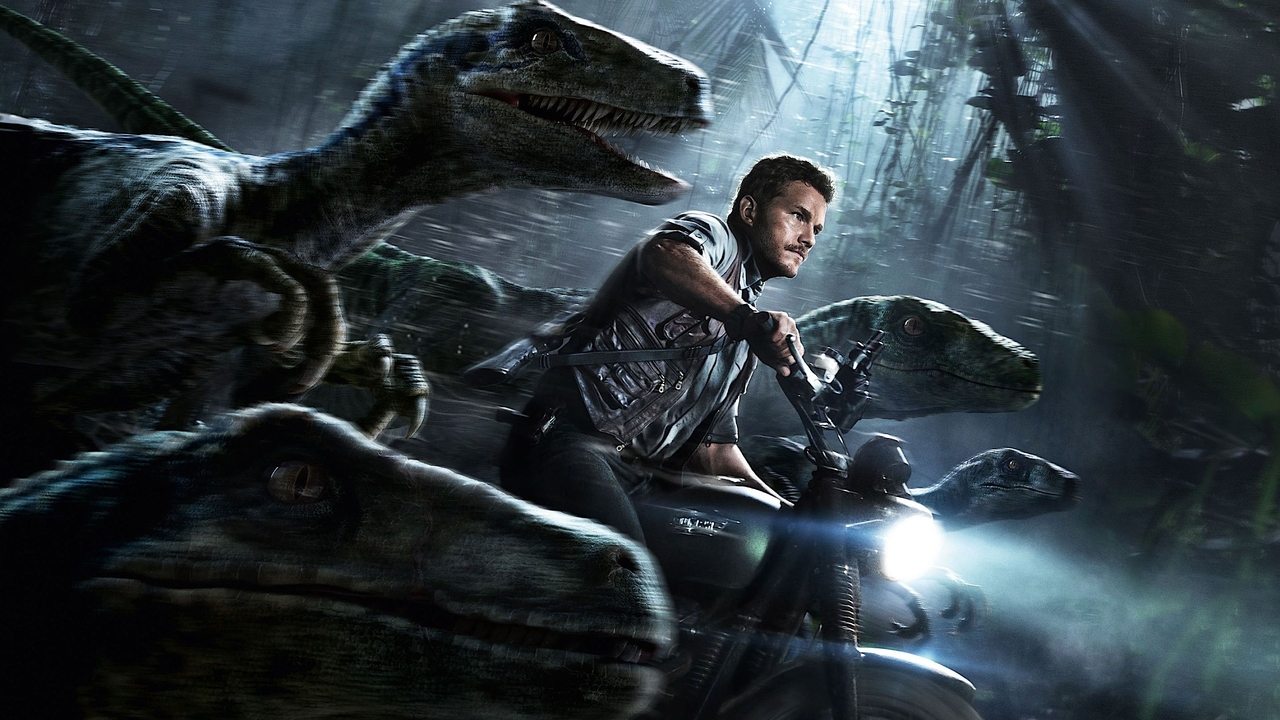
Movies Like Jurassic World: 10 Films With the Same Dinosaur Chaos
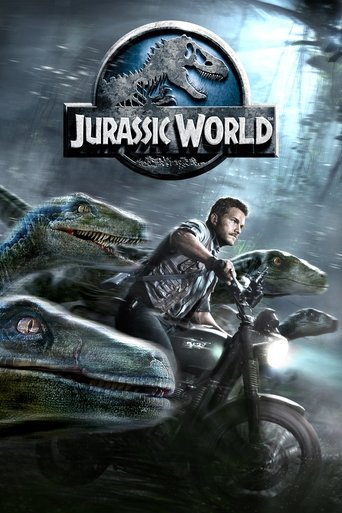
These films match Jurassic World's operating-park disaster, engineered predators, island expeditions, and large-scale creature action.
KinoShelf Journal · · 4 min read
The closest films to Jurassic World are Jurassic Park, Kong: Skull Island, and Deep Blue Sea: each delivers the spectacle of human systems collapsing under the weight of giant, untamable predators. If you miss the specific thrill of a commercial attraction failing, corporate science manufacturing a monster, or an isolated island creature expedition, the films below separate those mechanisms.
- Closest in spirit: Jurassic Park, the original blueprint for the island tour disaster.
- Best for corporate science gone wrong: Deep Blue Sea.
- Best for massive island creature spectacle: Kong: Skull Island.
- Only have 90 minutes: Westworld or 65.
The Operating-Attraction Nightmare
A functioning theme park turning into a death trap provides a specific kind of tension: the transition from scheduled entertainment to desperate survival.
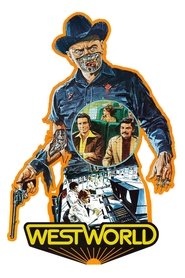
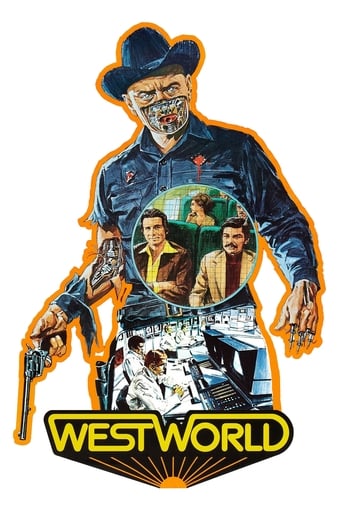
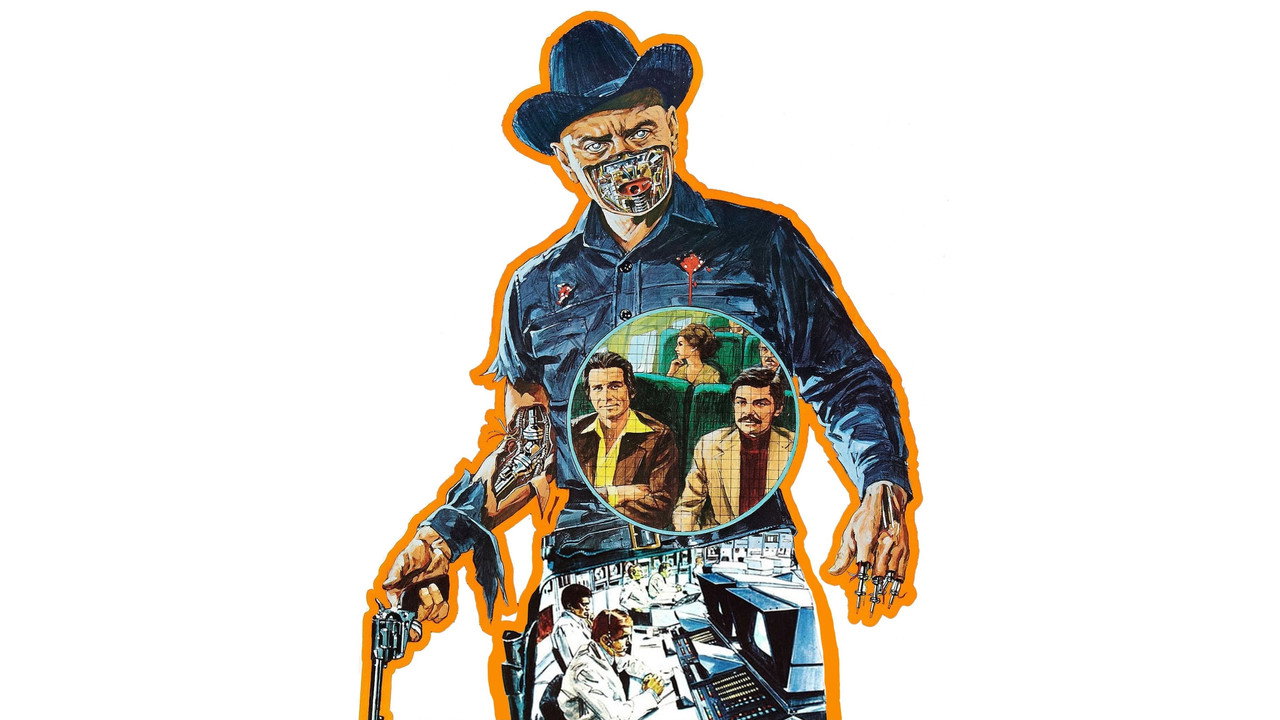
Westworld (1973) is an early blueprint for an operational, high-tech amusement park violently turning on its guests. Written and directed by Michael Crichton, this 89-minute thriller replaces genetically engineered dinosaurs with malfunctioning human-like androids in a futuristic resort. It shares the escalating dread of control rooms failing and automated safety measures breaking down while tourists remain trapped inside the attraction.
Jurassic Park (1993) supplies the original blueprint. While John Hammond's vision never successfully opened to the public, the infrastructure of the disaster is identical. The failed electric fences, the hubristic belief in absolute control over prehistoric DNA, and the isolated exotic island setting created the formula the 2015 park tried to perfect. The pacing here relies much more on sustained suspense than the modern blockbuster action of its successor, making the animal attacks feel uniquely terrifying.
Engineered Animals and Corporate Science
Corporate science gives the next films their dangerous creatures, though each treats the experiment differently.

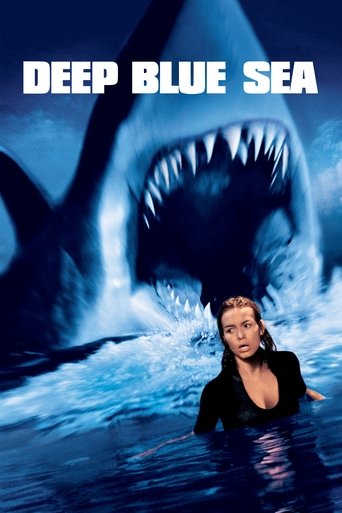
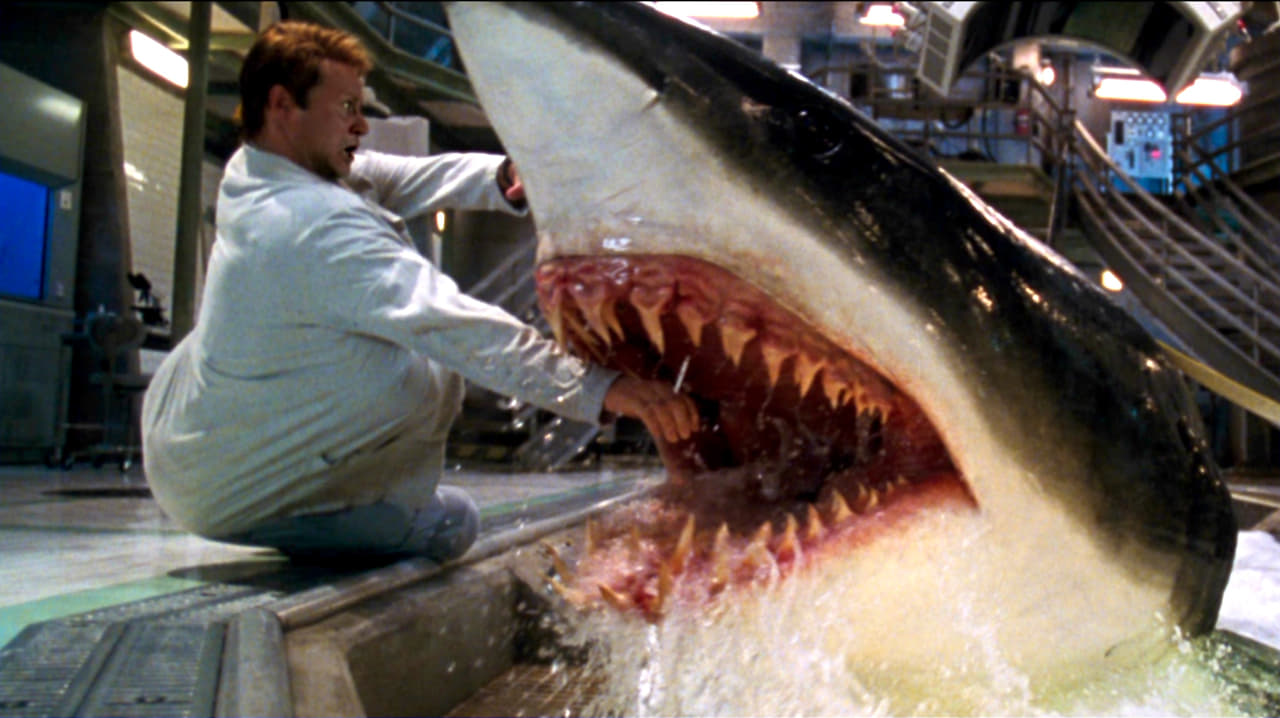
Deep Blue Sea (1999) builds its nightmare around tampering with predator genetics. Researchers in an isolated undersea lab alter the brains of captive sharks to cure Alzheimer's, inadvertently creating highly intelligent, coordinated killers. Like the 2015 dinosaur disaster, the tension comes from watching scientists and corporate backers realize their contained assets have figured out how to hunt them. Its B-movie energy is faster and more claustrophobic than the theme-park spectacle.

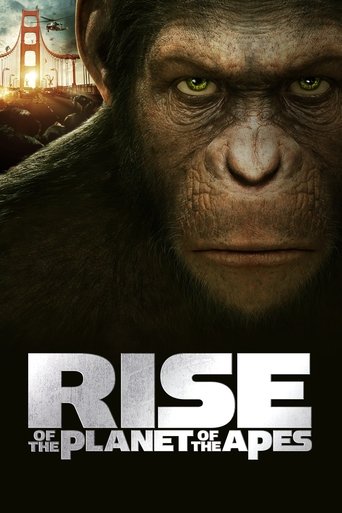
Rise of the Planet of the Apes (2011) explores the empathy and terrifying danger of a primate facility gone wrong. A highly intelligent chimpanzee named Caesar is the product of disease research, and his eventual revolt against his captors feels both inevitable and tragic. It shares the theme of an experiment escaping its intended purpose, but grounds the animal rebellion in deep emotional stakes rather than sheer monster horror.
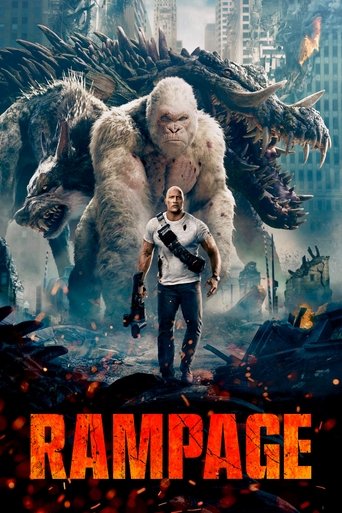
Rampage (2018) takes the concept of a rogue genetic experiment and escalates it to a city-destroying scale. A gentle silverback gorilla mutates into a raging giant alongside other infected predators, forcing a destructive scramble to stop them. The result favors loud, unapologetic monster action over the park film's suspense and corporate satire.
Island Expeditions and Giant-Creature Spectacle
These films send modern humans into places where giant creatures control the terrain.
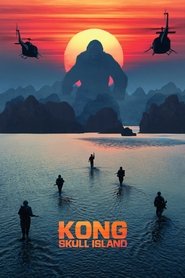
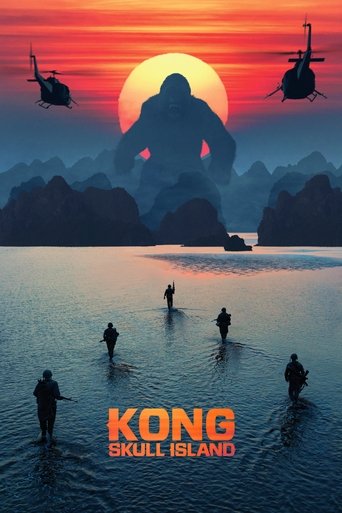
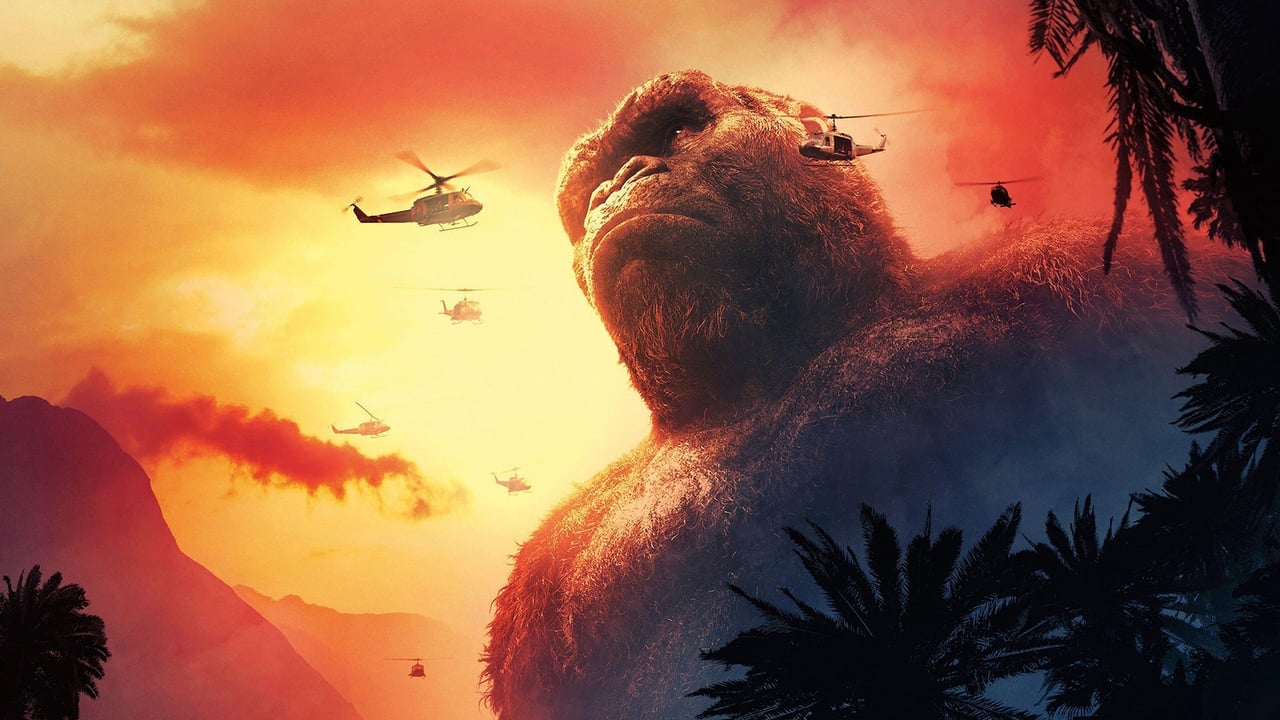
Kong: Skull Island (2017) trades the sterile labs of a theme park for a treacherous, primordial island in the 1970s. A team of explorers and soldiers ventures into the home of a giant ape and an ecosystem of massive, dangerous creatures. It matches the modern, massive-scale CGI spectacle of a summer blockbuster, focusing heavily on daylight monster fights and frantic expedition survival.
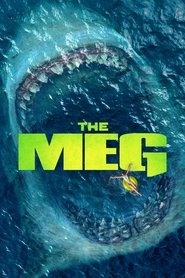
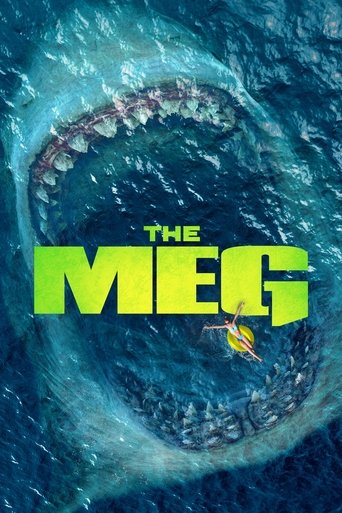
The Meg (2018) replicates the commercial blockbuster feel of a prehistoric apex predator unleashed on modern tourists. When a deep-sea submersible accidentally frees a seventy-foot ancestor of the Great White Shark from the Mariana Trench, the resulting chaos at crowded beaches mirrors the spectacle of a massive aquatic dinosaur crashing an operating resort. It leans heavily into an amused, action-heavy tone.
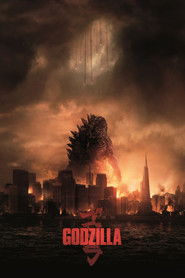
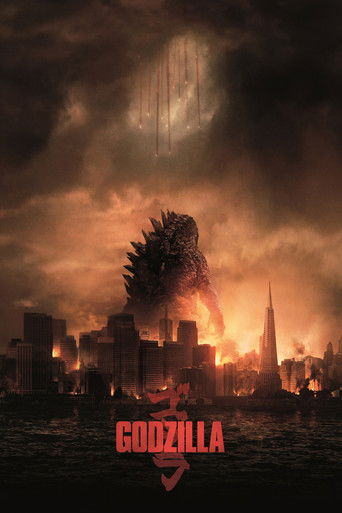
Godzilla (2014) is suited for viewers who loved watching a hulking apex predator arrive to restore natural balance. When an ancient alpha predator rises from the sea to hunt massive parasitic creatures, humanity is caught in the crossfire. The film treats its giant monsters with a sense of terrifying awe and disaster-movie scale, prioritizing slow-burn global threat over constant creature action.

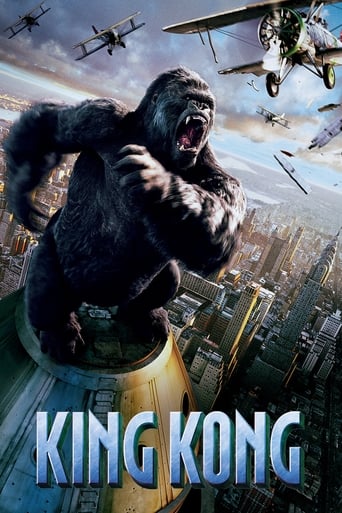
King Kong (2005) captures the brutal reality of a dinosaur-infested jungle encounter. A 1930s movie crew travels to an exotic island, where they face a giant gorilla and a terrifying ecosystem of oversized insects and prehistoric predators. The dinosaur stampedes and physical creature brawls are incredibly visceral, though the 188-minute runtime makes it a much heavier time investment.
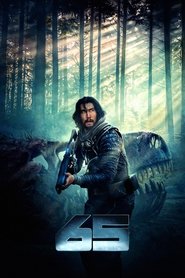
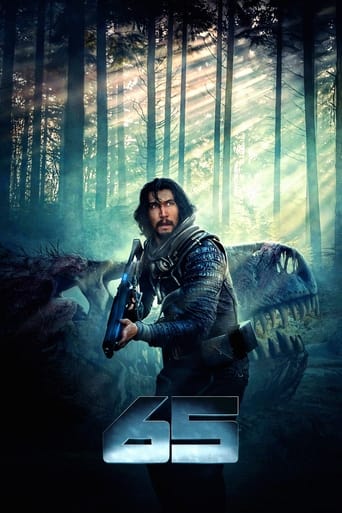
65 (2023) strips away the corporate intrigue for direct human-versus-dinosaur survival. Two survivors of a spaceship crash land on Earth 65 million years ago and must fend off prehistoric predators to reach their escape vessel. Its 92 minutes focus on the physical mechanics of surviving an animal attack.
Which Disaster Suits Your Schedule?
If you want compact survival tension, the runtimes of Westworld and 65 stay close to an hour and a half. King Kong instead spends over three hours building an island ecosystem. The corporate greed that greenlit a monster designed by market research also drives Deep Blue Sea.
The human cost becomes clearer through the manager who called dinosaurs assets, a concern echoed by the captive animals in Rise of the Planet of the Apes and Rampage.