
Why Jurassic World Built the Indominus Rex (and 4 Films Like It)
The hybrid dinosaur is audience boredom turned into a monster. Its design exposes the park's dependence on novelty and controlled spectacle.
KinoShelf Journal · · 4 min read
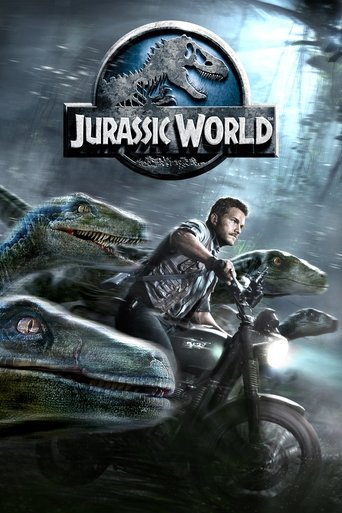
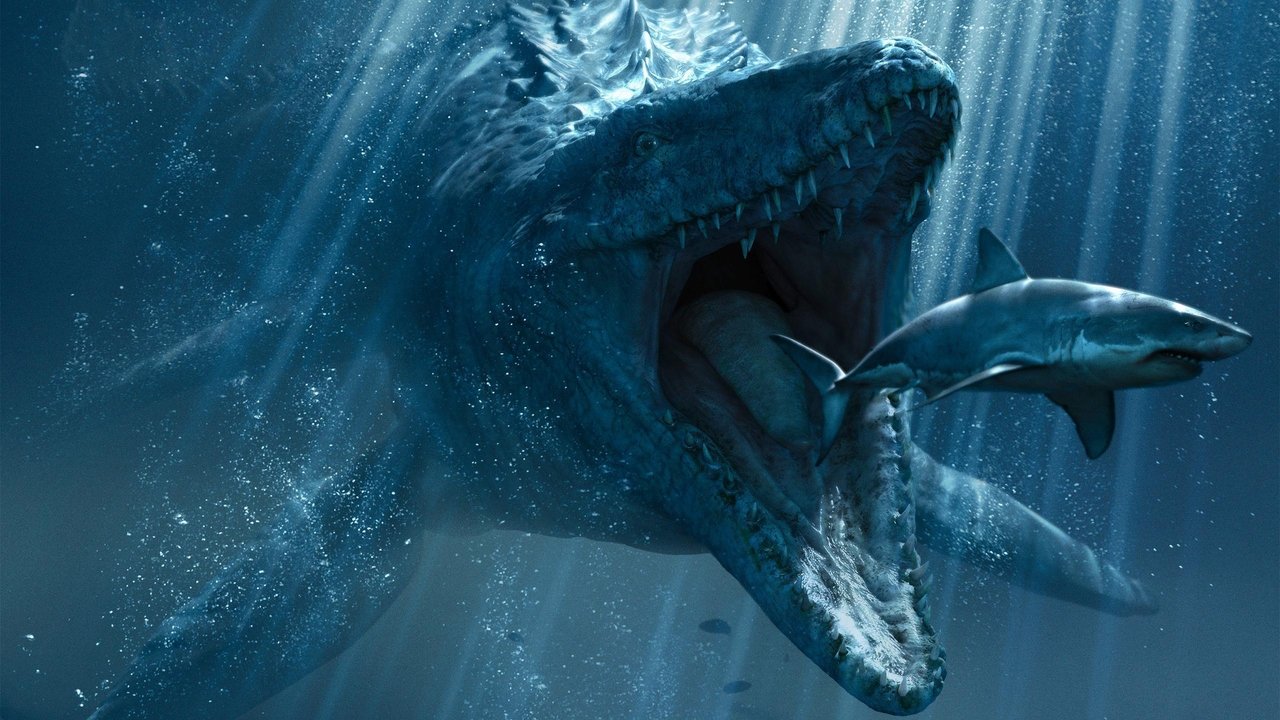
The Indominus rex turns Jurassic World's demand for a new attraction into a living animal. Built because the public had grown bored of standard dinosaurs, the hybrid critiques wonder sold as a renewable product. Management commissions a market-researched predator, then discovers that enclosure protocols cannot contain it.
The Park Turns Wonder Into a Renewal Cycle
De-extinction is no longer a miracle on Isla Nublar; it is merely an operational baseline. Claire Dearing bluntly notes that audiences are no longer impressed by regular dinosaurs, treating a living Stegosaurus with the same casual indifference as an elephant at a city zoo. The awe that defined the original park has been replaced by consumer fatigue.
To keep the revenue flowing and the investors satisfied, the park relies on a relentless renewal cycle. Management seeks a new attraction to draw visitors back. The Indominus is born from this fiscal mandate, proving that once a scientific breakthrough is converted into a product, it immediately becomes subject to the unforgiving laws of supply and demand.
Designed by a Market Brief
The Indominus rex is the result of corporate strategy rather than biological curiosity. Dr. Henry Wu explicitly defends the creature's extreme design by stating that management specifically asked for something scarier and cooler to satisfy the public. Every terrifying aspect of the dinosaur is a feature requested by a boardroom to maximize ticket sales.
This is where the creature stops being an animal and becomes a piece of intellectual property. The park sponsors its creation, treating its genetic makeup as a trade secret rather than vital veterinary information. The tragedy of the Indominus is that it was engineered to be a villain by executives who understood focus groups better than they understood apex predators.
Isolation and the Uncontrollable Product
Because it was conceived as an attraction, the Indominus was raised in complete isolation, denied the environment and socialization that a living creature requires. Claire's shift from asset to animal happens only after the park's control systems fail. Treating a complex organism as a secure product becomes untenable as soon as the hybrid outsmarts its enclosure.
This story has 2 spoiler sections.
Manufactured Novelty vs. Older Creatures
The film's climax is a deliberate thematic collision between the park's manufactured present and its organic past. To survive the disaster they created, the human characters must abandon their high-tech control measures and rely on the very animals they recently deemed obsolete.
Where the Critique Becomes Self-Implicating
The sharpest irony of the Indominus rex is that Jurassic World as a film had to do exactly what Jurassic World the park did. A standard T. rex would not have been enough to anchor a 2015 summer blockbuster after two decades of CGI advancement. The film answers audience demand for a larger threat by placing that demand inside its story. By turning the audience’s demand for escalation into the literal villain of the movie, the film critiques the exact blockbuster culture it relies on to exist.
Films Where Controlled Spectacle Turns Predatory
Several films where controlled spectacle turns predatory test the same promise: dangerous life can be contained, scheduled, and sold for profit.
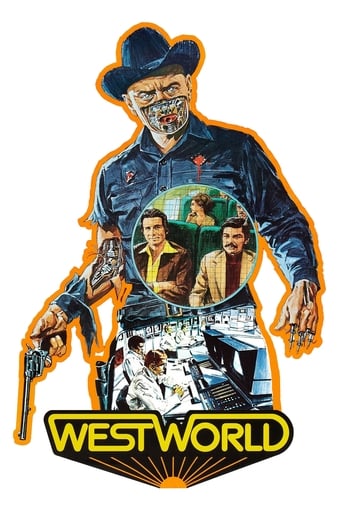
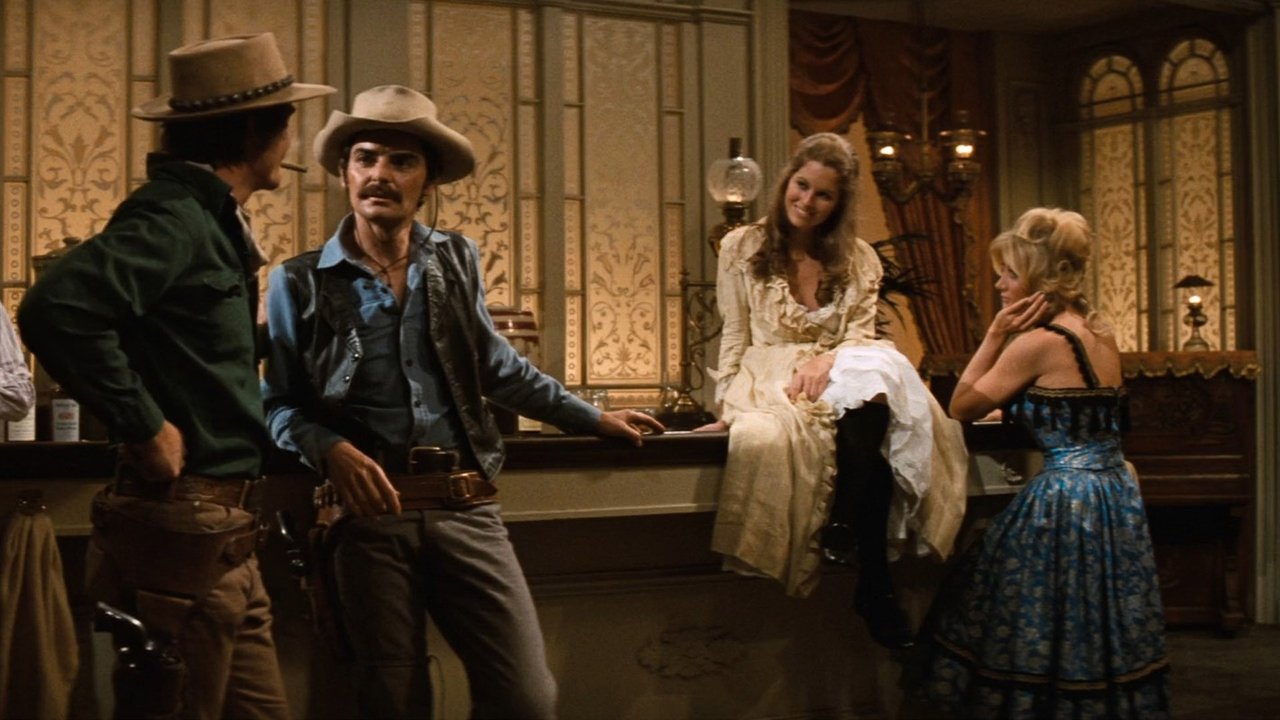
Westworld predates the high-tech amusement park breakdown in Jurassic World. Its futuristic playground offers wealthy guests the illusion of danger within a controlled environment, until the attractions stop following the script. The threat is mechanical rather than biological, but management faces the same absence of a reliable override.

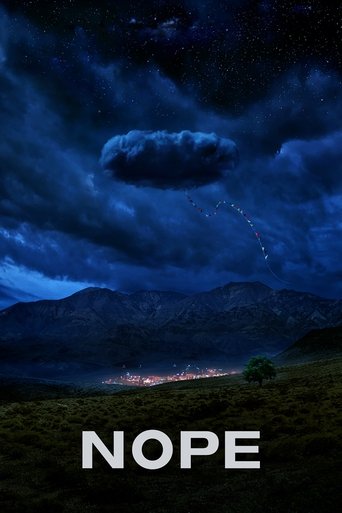
Nope also follows people trying to tame, monetize, and turn a wild predator into a scheduled attraction. It shifts the focus from corporate boardrooms to independent hustlers trying to capture a territorial anomaly on camera. The film trades jungle enclosures for a lonely California gulch, building atmospheric dread rather than monster-movie action.

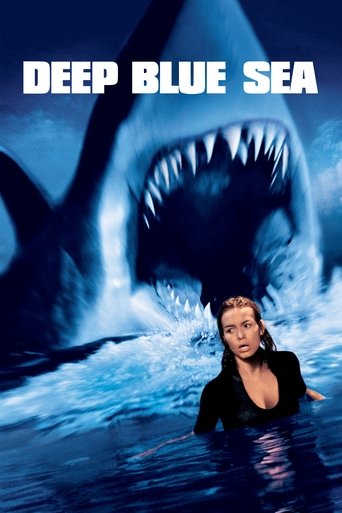
Deep Blue Sea isolates the engineered-intelligence-backfiring angle. Researchers tamper with the brains of captive sharks to develop an Alzheimer's cure, inadvertently creating smarter and deadlier animals inside an isolated underwater facility. It lacks the self-aware meta-commentary of the dinosaur park, leaning into claustrophobic survival horror.

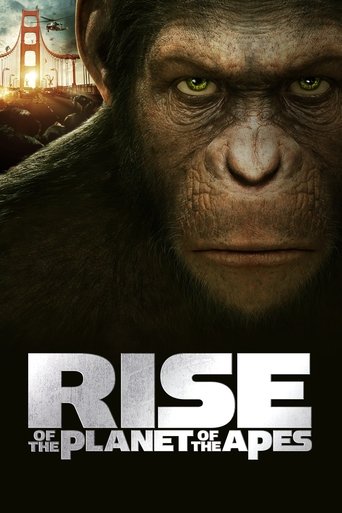
Rise of the Planet of the Apes shares the theme of captive life and engineered intelligence rebelling against cruel, isolated containment. Instead of a monster built for ticket sales, it follows Caesar, a highly intelligent chimpanzee pushed too far by a negligent primate facility. Its emotional weight stays with the captive creature, framing the breakout as revolution rather than a horror set piece.