
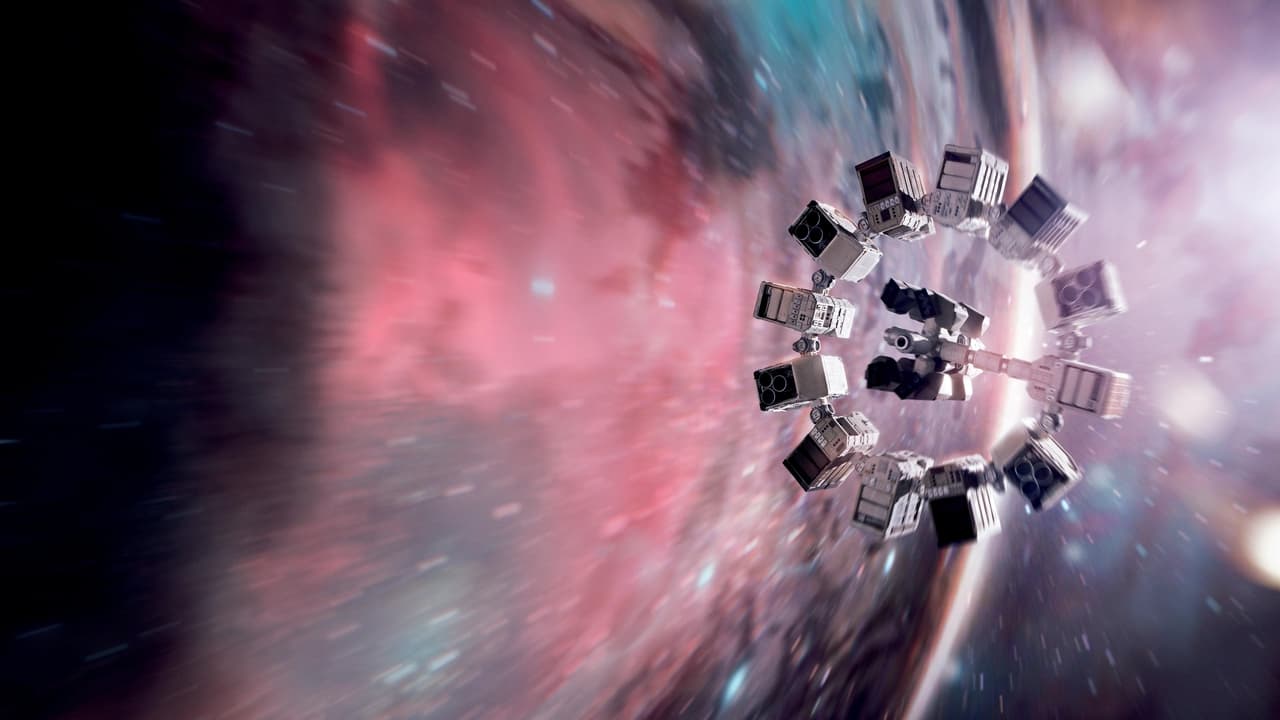
Movies Like Interstellar: 8 Sci-Fi Films by Viewing Need
Choose your next sci-fi film based on the exact element you miss most, from time-bending family heartbreak to grounded space survival.
KinoShelf Journal · · 5 min read
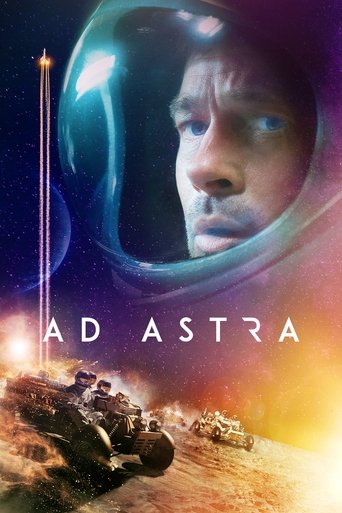
The closest movies to Interstellar start with Arrival, Ad Astra, and The Martian. Each of them pairs hard sci-fi rules with a deeply personal story about someone just trying to get home, make a connection, or survive being completely alone. What makes Interstellar work so well is that it does not let cosmic scale drown out the human heart; instead, it uses the vastness of space to make that grief hit harder.
- Closest in emotional weight: Arrival.
- For grounded space survival: The Martian.
- Only have 100 minutes: Solaris.
- Want the visual inspiration: 2001: A Space Odyssey.
What to watch for another parent-child and family-distance story

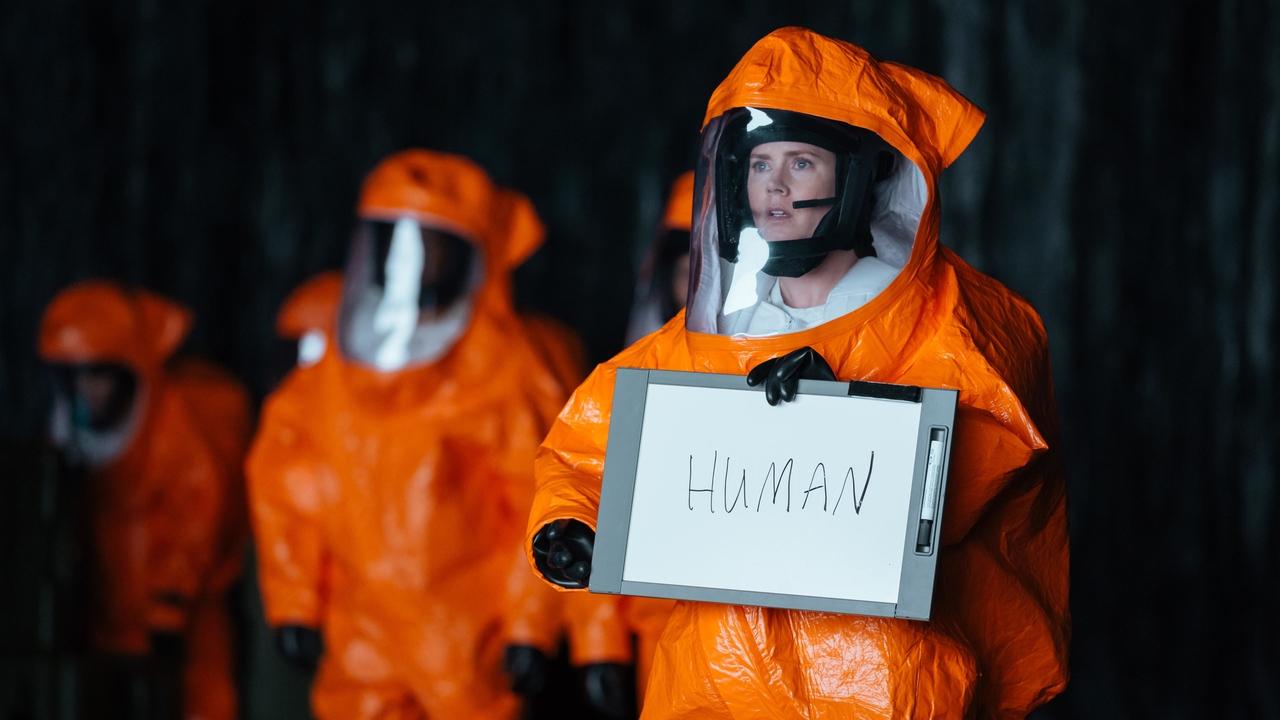
Arrival (2016) taps into that exact same heartbreak of a parent whose relationship with time and their child gets turned completely upside down. When twelve alien spacecraft suddenly appear around the globe, a linguist is brought in to figure out how to talk to them before worldwide panic starts a war. Just like in Christopher Nolan’s movie, the core sci-fi elements here, including alien linguistics and non-linear time perception, serve as vehicles to explore grief, memory, and the impossible choices a parent makes when knowing the outcome.
It plays out on a much smaller, quieter canvas, swapping wormholes and black holes for the cramped interior of a military tent and the eerie quiet inside an alien ship. Go into this 116-minute puzzle expecting a deliberate, slow-burn mystery that rewards you for paying close attention.

Ad Astra (2019) stretches that complicated parent-child dynamic across the entire solar system, zeroing in on the mental toll of deep space and the heavy shadow of a parent's legacy. An astronaut is sent to the outer edges of the system to track down his missing father, whose rogue experiments are threatening life back on Earth.
While Interstellar is fueled by the warmth and desperation of trying to save your family, Ad Astra is a much colder, more guarded 123-minute look at loneliness and the emotional walls people put up just to survive the void. It is slow, moody, and lives mostly inside the main character's head, making it a great pick if you wanted more of the psychological unraveling seen with the crew of the Endurance.
What to watch for space survival and mission decisions

The Martian (2015) takes all that gritty, problem-solving survival material from the Miller and Mann planets and turns it into the whole movie. After a storm hits Mars, an astronaut is left behind for dead, forcing him to lean on his botany and engineering know-how to stay alive while NASA scrambles to figure out a rescue.
It tosses out the heavy philosophical angst and despair of Interstellar for a punchy, 141-minute procedural about working the problem. If your favorite parts of Interstellar were the tense docking sequences and sweating over fuel math, you will appreciate how thoroughly researched and realistic this one feels about just how badly space wants to kill you.

Project Hail Mary (2026) throws you into a similarly massive, one-way mission to save humanity from extinction. A science teacher wakes up from a coma on a ship light-years from home with total amnesia, gradually piecing together that he has to figure out what is dimming our sun before Earth freezes over.
Across its 157 minutes, it balances dense scientific troubleshooting with an unexpected interspecies friendship as they try to bridge a massive language gap. It carries the same world-saving stakes and grand scale, though the tone is substantially warmer and more hopeful, driven by scientific curiosity rather than the sorrow of leaving family behind.
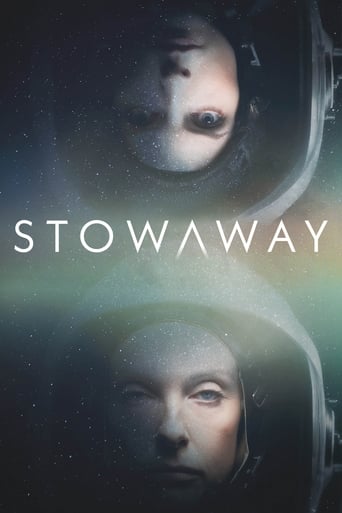
Stowaway (2021) boils those impossible mission choices down into a 116-minute moral nightmare trapped inside a single ship. Shortly after launching toward Mars, a three-person crew finds an accidental stowaway on board. The incident damages their life support systems, leaving them without sufficient oxygen for four people to make the journey.
You will not find any black holes or alien planets here; the danger comes down to cold math and failing hardware. It captures the suffocating, white-knuckle tension of early spaceflight, keeping the camera glued to the crew as they scramble for a fix and wrestle with the unbearable weight of deciding who lives.

What to watch for cosmic mystery, grief, and the scale of time
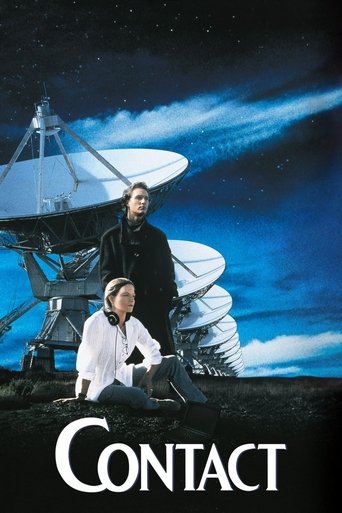
Contact (1997) captures that same sense of genuine scientific wonder, along with the friction between hard evidence and personal faith. A radio astronomer picks up a confirmed signal from the Vega star system containing blueprints for a mysterious machine, setting off a global debate over who actually gets to step inside.
It treats the discovery of extraterrestrial intelligence with the exact same grounded, bureaucratic realism that Interstellar brings to NASA's secret underground base. Running 150 minutes, it is a thoughtful film that explores the political and philosophical fallout of first contact before launching into a journey through space that bends the limits of human perception.
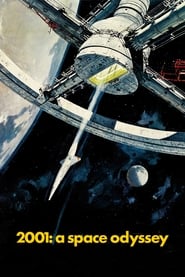
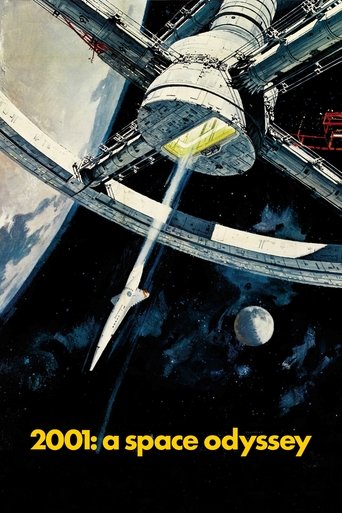
2001: A Space Odyssey (1968) serves as a key visual and philosophical foundation for Interstellar. After a strange monolith turns up on the moon, a crew and an advanced artificial intelligence head out toward Jupiter to find where it came from.
You can see Kubrick’s influence all over Nolan’s film, from the massive practical sets and dead-silent space physics to the machine dynamics; TARS operates as a direct spiritual descendant of HAL 9000. At 149 minutes, this landmark film asks a lot of its audience, leaning on long stretches of quiet, classical music, and pure visual storytelling rather than heavy dialogue. If the sheer, indifferent vastness of the universe was what hooked you about Interstellar, this is essential viewing.

Solaris (2002) uses the claustrophobia of an orbiting space station to look at how hard it is to finally let go of the past. A psychologist is sent up to check on the crew of a research station circling a strange ocean planet that dredges up their deepest memories, manifesting physical incarnations of their lost loved ones.
Clocking in at a tight 99 minutes, it is a hypnotic meditation on grief and losing your grip on reality. While Cooper flies through a wormhole trying to save his daughter, the protagonist here comes face-to-face with a living memory of his late wife, forcing him to choose between the sharp pain of reality and the warmth of an illusion.