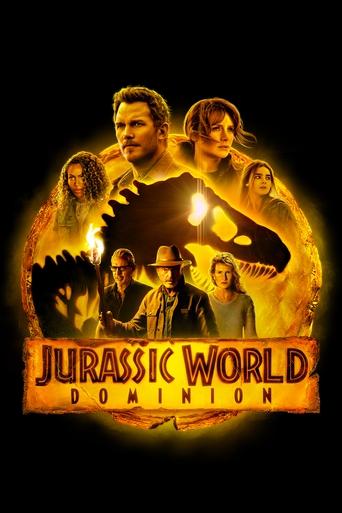


Jurassic World Dominion Ending Explained: 3 Franchise Resolutions
Dominion resolves Biosyn's engineered crop crisis, but the final montage leaves human-dinosaur coexistence as an ongoing obligation rather than a solved policy.
KinoShelf Journal · · 6 min read
Stopping the locust swarm and setting up a global dinosaur sanctuary are two totally separate outcomes in Jurassic World Dominion, even though the ending wraps them both up like finished business. Dr. Henry Wu comes through with an actual scientific cure for the crop crisis, which effectively kills Biosyn’s ecological monopoly. The much bigger question of how humans and dinosaurs actually share the planet, though, just gets a hopeful montage of animals out in the wild - more of a nice visual statement than an actual, working global policy.
- Locust Crisis: Solved with a genetically engineered pathogen created by Dr. Henry Wu.
- Biosyn’s Fate: Once the company's corruption comes to light, their valley is declared a global sanctuary.
- Maisie and Beta: Both make it back home safe and sound.
- Dinosaur Status: Still roaming the globe, with integration very much a work in progress.
Two Emergencies With Different Resolutions
Dominion basically runs two separate crises on parallel tracks until they finally collide in the Dolomite Mountains. On one side, you have genetically engineered locusts wiping out the world's independent food supply, which is an immediate existential threat. On the other, you have the massive logistical and ethical headache of dinosaurs living right alongside people and modern ecosystems.
The movie gives us a clean, scientific period at the end of the locust problem. The dinosaur issue, by contrast, gets a purely thematic wrap-up.
The animals get a designated sanctuary in the old Biosyn valley, and the final montage shows them hanging out alongside modern wildlife. It definitely suggests a fragile kind of peace, yet it leaves the world with an ongoing responsibility rather than a neatly solved problem. Put simply: the locusts are cured, while the dinosaurs are just managed.

What Wu Changes About the Locusts
Dr. Henry Wu’s whole storyline in Dominion is really about him trying to fix his own massive mistake. He originally engineered the locusts for Biosyn to eat only non-Biosyn crops, manufacturing a famine that would force the entire world to rely on the company’s seeds. The catch was that he forgot to build in a genetic off-switch, so the swarms didn't die off after a single generation like they were supposed to.
This story has 3 spoiler sections.

What Happens at Biosyn and to Dodgson
As Biosyn's CEO, Lewis Dodgson is the guy behind the entire locust crisis, caring way more about total market control than global survival. Once Ellie Sattler and Alan Grant team up with Ian Malcolm and Ramsay Cole to gather hard proof of what he's doing, Dodgson tries to cover his tracks - and ends up triggering the movie's climax.
Having Dodgson here ties the story straight back to Jurassic Park (1993). He was the rival executive who originally paid Dennis Nedry to smuggle InGen embryos out in that famous Barbasol shaving cream can, and in Dominion, he actually keeps that same rusted can on display in his office.
The movie never bothers explaining how Biosyn fished the can out of the Isla Nublar mud after Nedry died. Still, keeping it around highlights Dodgson's lifelong obsession with stealing genetic secrets, making it weirdly fitting that he gets taken out by the exact same species of dinosaur that killed his first hired hand.

What Maisie and Beta's Return Closes
The kidnapping of Maisie and Beta (Blue's baby) is what kicks off Owen and Claire's road trip, while also wrapping up the whole cloning storyline left over from the last movie.
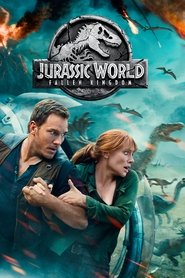
This ending brings their found-family story full circle from Jurassic World: Fallen Kingdom (2018). Back then, Maisie made the huge call to let the dinosaurs loose into the wild because she felt a kinship with them as another living thing made in a lab. Getting rescued in Dominion cements her place with Owen and Claire and puts her personal identity struggles as a clone to rest, even while the worldwide fallout from her choice in Fallen Kingdom keeps playing out.

The Coexistence Montage: Image Over Policy
The movie's closing montage, narrated by Charlotte Lockwood, strings together some pretty striking visuals: a Mosasaurus swimming beside whales, Pteranodons soaring with flocks of birds, and a Triceratops strolling alongside elephants.
The whole sequence is really a thematic nudge about stewardship and learning to live together. It definitely doesn't prove the world is suddenly safe, nor does it solve the massive headache of having giant predators wandering around human neighborhoods.
Instead, it just makes the point that these animals aren't going anywhere, so humanity has to adapt to this new reality rather than trying to control or wipe them out. Turning the Biosyn valley into a global sanctuary gives a lot of them a safe home, yet plenty of dinosaurs are still scattered all over the rest of the world.

How Rebirth Reframes That Open Future
Leaving coexistence so open-ended at the end of Dominion is exactly what sets up the franchise's next chapter. The follow-up film picks right up inside this messy new reality, zooming in on the practical fallout of a world permanently changed by bringing extinct species back.

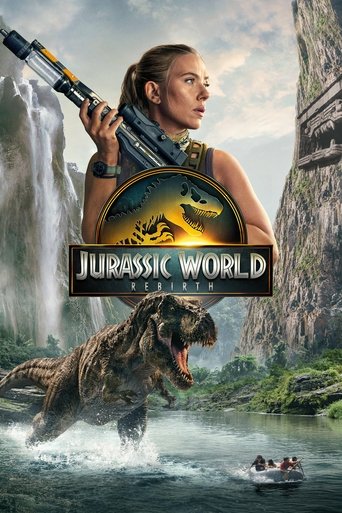
Taking place five years after Dominion, Jurassic World Rebirth (2025) pivots away from global coexistence and toward resource extraction. After half a decade of people living alongside dinosaurs, the story follows a covert team sent to harvest genetic material from the three biggest dinosaurs on Earth. It goes to show that even though Dominion pitched a romantic vision of harmony, the commercial and scientific exploitation of these animals is still a very real threat as the timeline moves forward.