

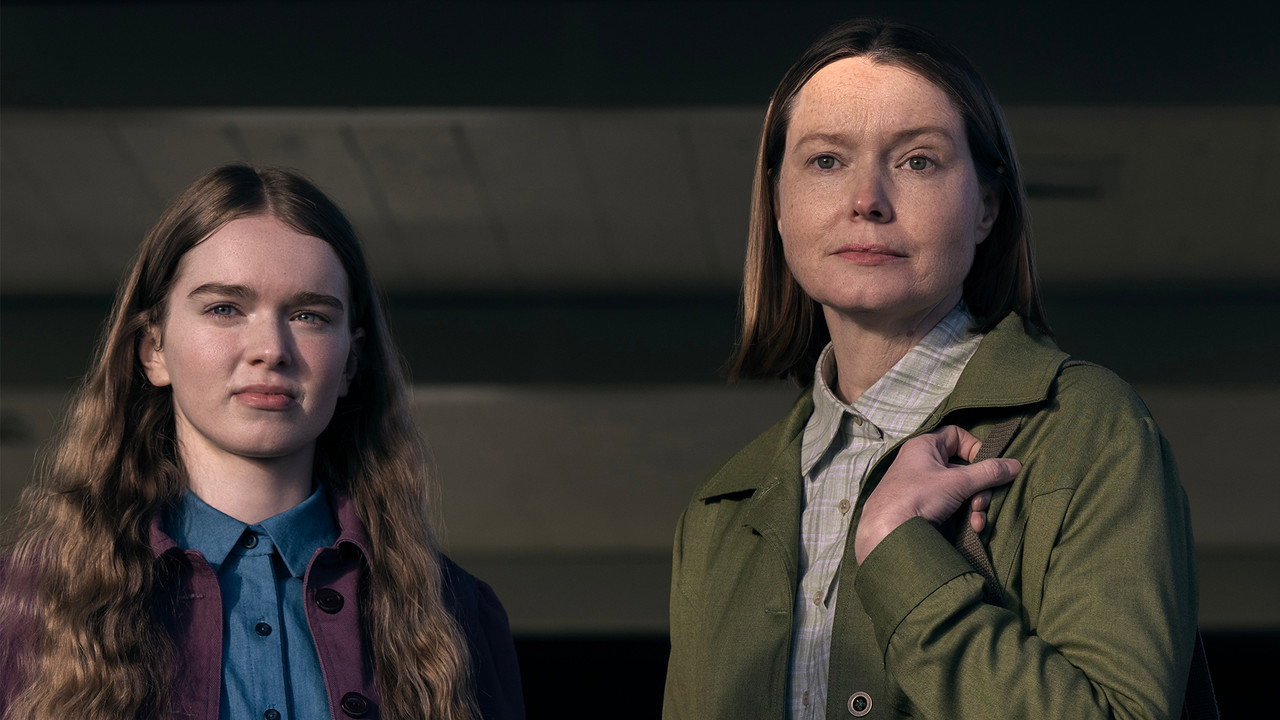
Carrie (2026): Why Margaret White's Love Makes Her Harder to Hate
Samantha Sloyan's Margaret isn't just a religious monster. Here is how her genuine affection makes the show's mother-daughter dynamic even more terrifying.
KinoShelf Journal · · 4 min read
Samantha Sloyan pulls off something really tricky with Margaret White in Carrie (2026): she actually makes her hard to write off as a pure villain. Mike Flanagan’s take lets you see this genuine, albeit completely suffocating, love she has for her daughter.
That affection definitely doesn’t give her abusive behavior a pass, but it lays bare how easily tender care and outright cruelty can bleed into one another. That mix makes her psychological grip on Carrie feel so much creepier - when you can see the hurting human being inside the monster, the control she exerts becomes infinitely more painful to sit through.
The Isolation of Grief
Flanagan really roots Margaret’s spiraling mania in fresh, raw grief. The sudden death of Carrie’s dad, Ralph, essentially leaves both women emotionally shattered, and it's what forces Carrie out of the safety of homeschooling straight into the meat grinder of public high school.
Margaret is plainly terrified of losing the only family she has left on this earth. That panic ends up feeding this toxic fixation with shielding Carrie from an outside world she already views as rotten to the core.
Leaning into her bereavement helps you grasp where that manic fear comes from, even while you watch her weaponize it to keep Carrie thoroughly cut off from reality. Wrapping them up in this mutual trauma is easily one of the smartest changes from Stephen King's novel. It gives Margaret an emotional anchor that goes way deeper than just blind religious dogma, showing how profound loss can forge this twisted, inescapable glue between an abuser and the person they're hurting.
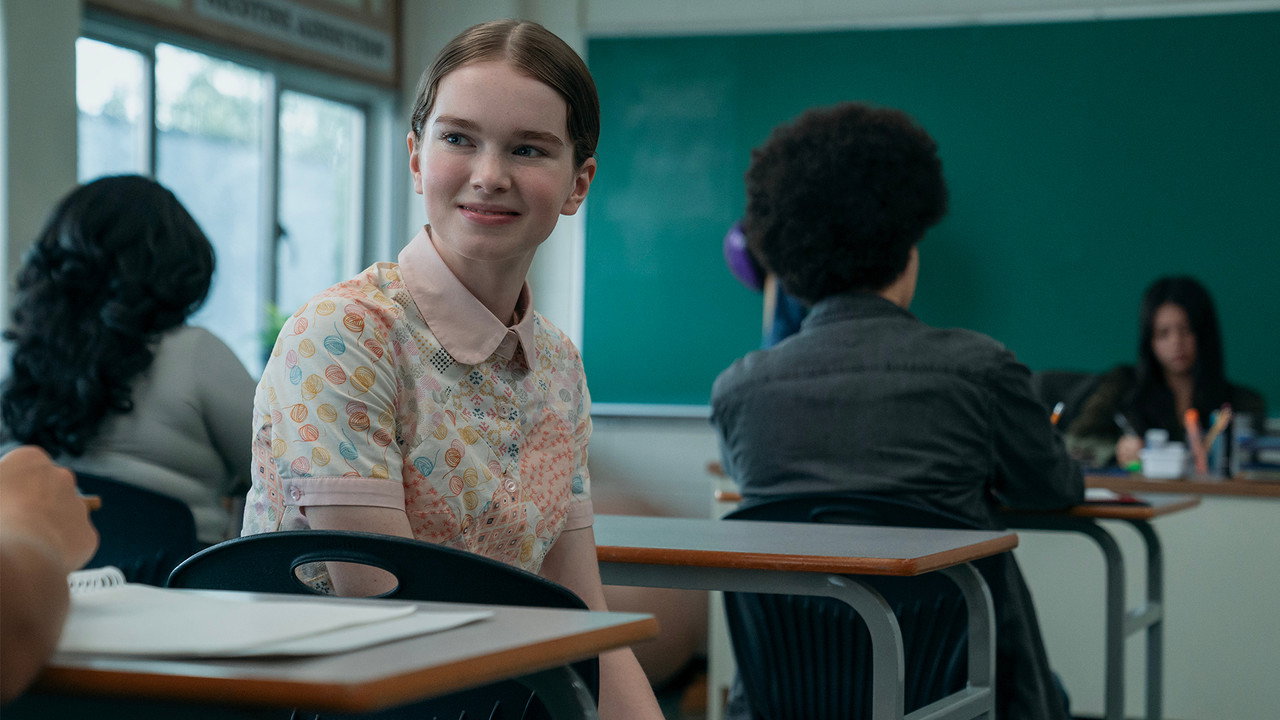
The Locker Room and the Prayer Closet
The way Margaret handles Carrie’s changing body is where you really see her warped idea of protection morph straight into punishment. After that brutal shower scene in the pilot where Carrie gets her first period, Margaret reacts less like an angry tyrant and more like a woman who feels she’s personally failed. She is furious about the supposed sin of puberty, sure, but she’s just as stung by the fact that Carrie had to look to strangers for guidance instead of coming to her.
The classic, terrifying prayer closet makes its return here, only now Margaret treats it almost like a quarantine zone to lock the corrupting outside world away from her kid. In her twisted logic, the brutality is just tough love meant to save her daughter’s soul.
When you look at this next to the 1976 film, the contrast is wild. Piper Laurie played her with this unhinged, icy malice, whereas Sloyan plays these scenes with this gut-wrenching, tearful desperation. You can tell she’s genuinely breaking down inside, which turns her into someone far messier and more tragic than the cartoonish nightmare we're used to seeing.
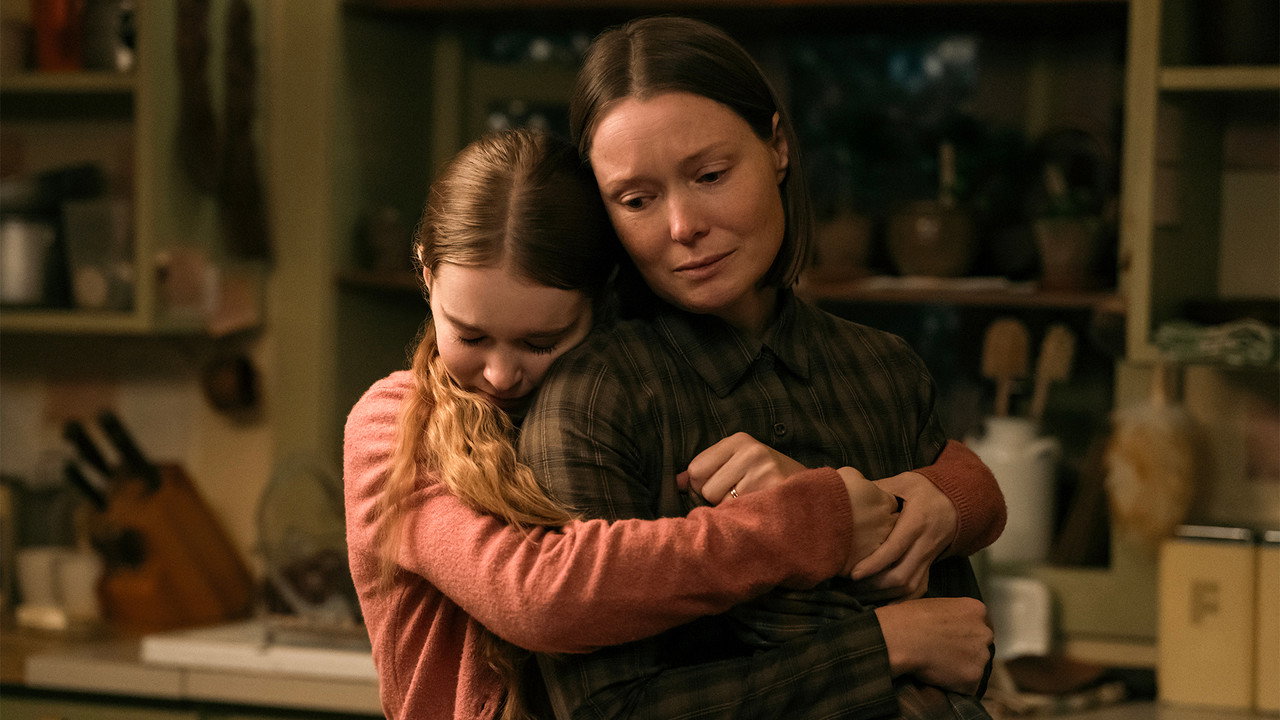
Love as a Weapon of Control
Honestly, the most chilling part of Sloyan’s performance is how warm and gentle she can be. She’ll talk in this tender whisper, softly brush Carrie’s hair out of her eyes, and go to bat for her like a lioness in front of the school staff.
She even validates Carrie’s feelings, telling her she’s completely right to hate the cruel kids around her. But that warmth is precisely what keeps the handcuffs on.
It’s almost impossible for a teenager to pull away from a parent who constantly hammers home the idea that it’s just the two of them against a hateful world. Every single hug or soft word comes with this heavy, unspoken price tag: Carrie has to stay helpless, stay obedient, and stay locked in that house forever. Margaret’s love is undeniably sincere, but it completely suffocates any chance for Carrie to become her own person.
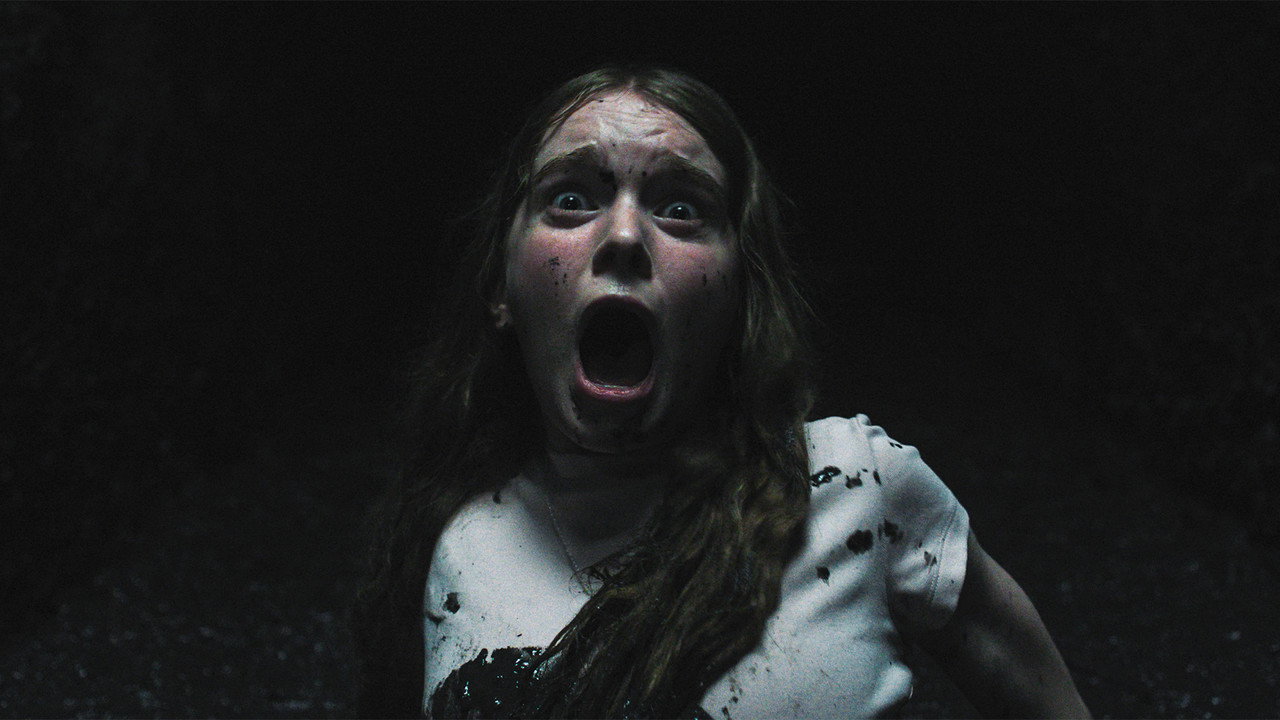
The AP Physics Attack
Once Carrie’s telekinesis really starts ramping up, Margaret’s protective instinct finally runs headfirst into her deep-seated religious terror. The tension between wanting to save her daughter and fearing what she is ends up boiling over into physical violence right at the finish line.
This story has 2 spoiler sections.
A Tragic Final Choice
By the final stretch, the narrative basically strips Margaret of any control over her own destiny, and it’s surprisingly hard not to feel a pang of pity for her. It’s the specific way she goes out that really drives the tragedy home.
Taking that route fundamentally robs Carrie of that huge, definitive moment where she finally cuts ties and shatters her abuser's spell herself. Instead, Margaret dies quietly after Carrie has already taken off with Emaline, and the show leaves us hanging without ever letting us see Carrie process that loss.