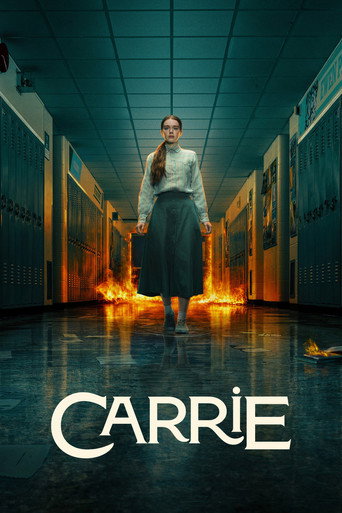

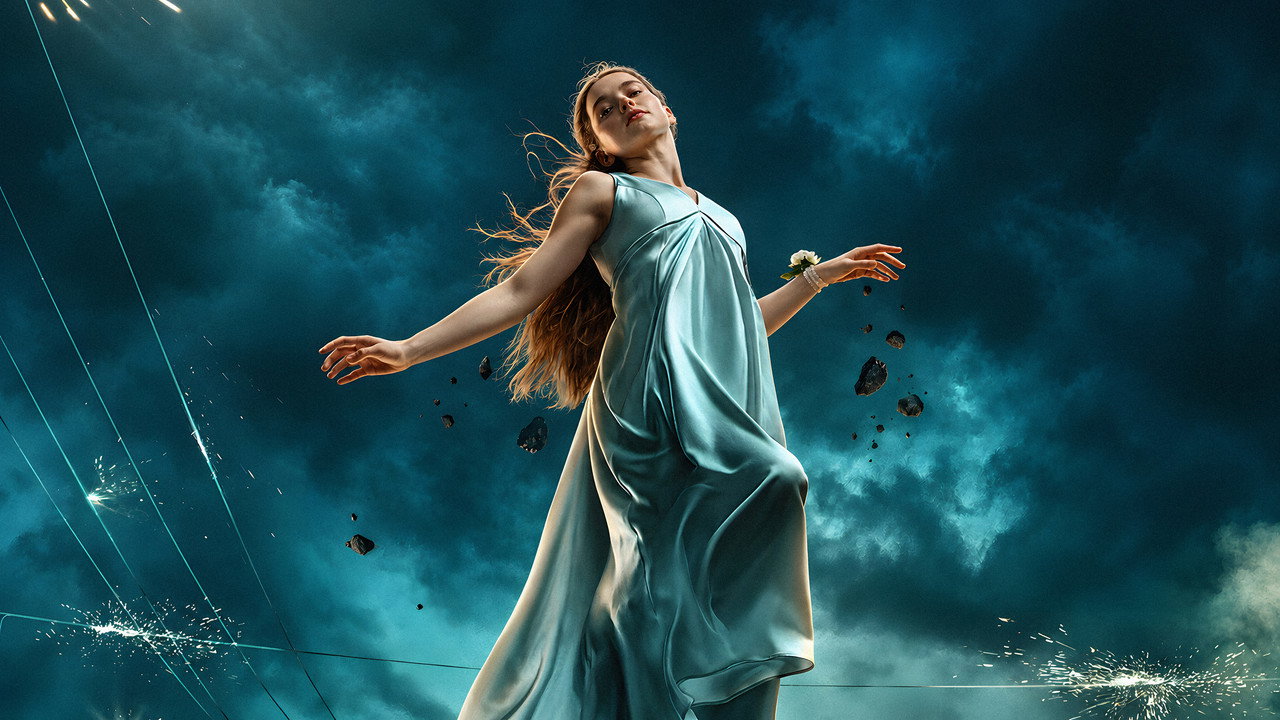
Carrie (2026) Book Changes: How the Series Alters the Novel
Mike Flanagan's adaptation alters more than just the ending. How the Prime Video series trades inevitable tragedy for an open story of agency.
KinoShelf Journal · · 4 min read
Mike Flanagan’s take on Carrie really shakes up Stephen King’s original book. Instead of sticking to a bleak, locked-in tragedy where disaster feels entirely inevitable, Flanagan turns it into a story about agency, complicity, and shared guilt. The classic arc running from cruel hallway torment to absolute disaster is still very much intact, but this version fundamentally shifts who holds the power, how these kids perceive each other, and who actually makes it out of Chamberlain alive.
By having Carrie show up late to public school and throwing other telekinetics into the mix, the show also completely rethinks how it doles out blame for the carnage.
Carrie Enters Public School
The series retools Carrie’s trademark isolation right away by dropping her into public school as a sophomore, leaving her completely surrounded by strangers rather than familiar faces.
In King’s book, Carrie grew up alongside the kids who eventually broke her. Their cruel behavior had turned into a familiar daily routine, building up years of mutual, slow-burning resentment. Here, she only steps foot into the public school system because her dad, Ralph, suddenly dies.
That means Carrie has to juggle the shock of high school social politics, bodily changes, and unchecked cruelty all at once. She is completely blind to the unwritten rules of teenage life, which makes that infamous locker-room incident hit with a totally different kind of disorientation.
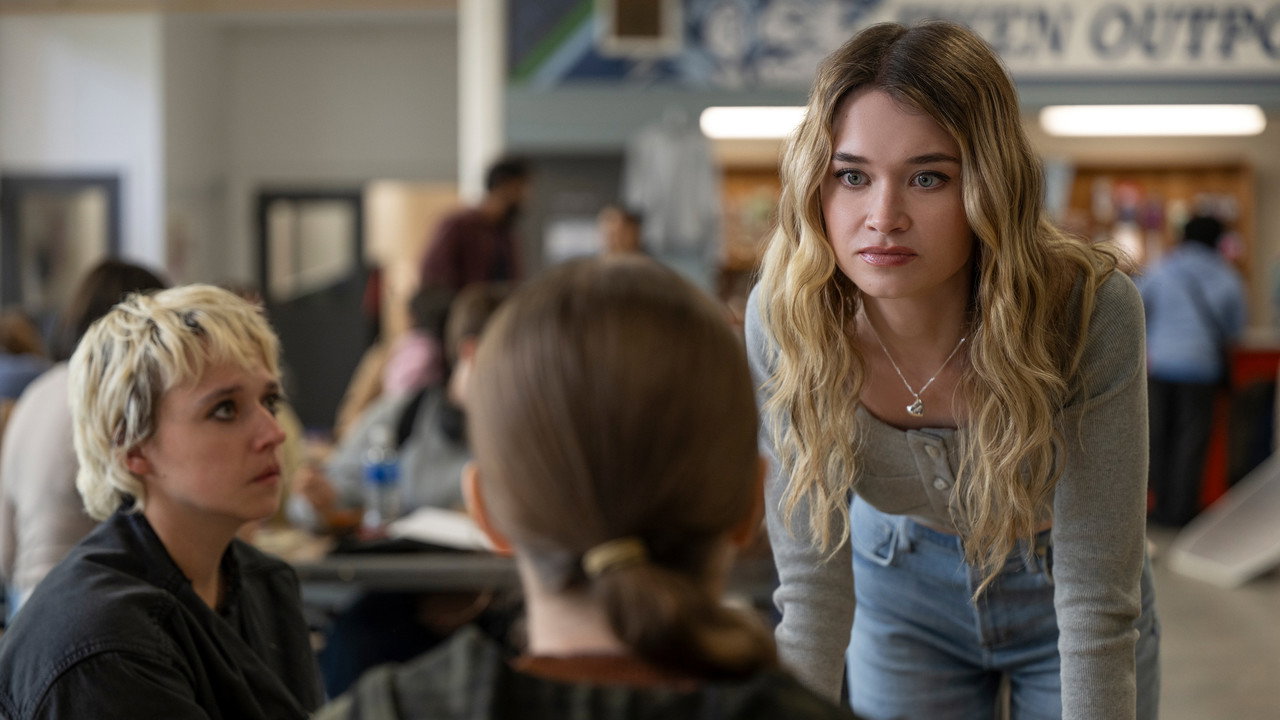
Digital Bullying Versus the Documentary Frame
Swapping out the book’s epistolary setup for smartphones and security cameras drags private, agonizing moments straight into a 24/7 public theater.
King originally pieced together Carrie’s story using fake news clippings, scientific papers, and memoirs, framing the whole thing like a post-mortem catastrophe people were frantically dissecting after the dust settled. Flanagan pulls all of that intense scrutiny right into the present day, weaponizing the technology we use every single minute.
This story has 5 spoiler sections.
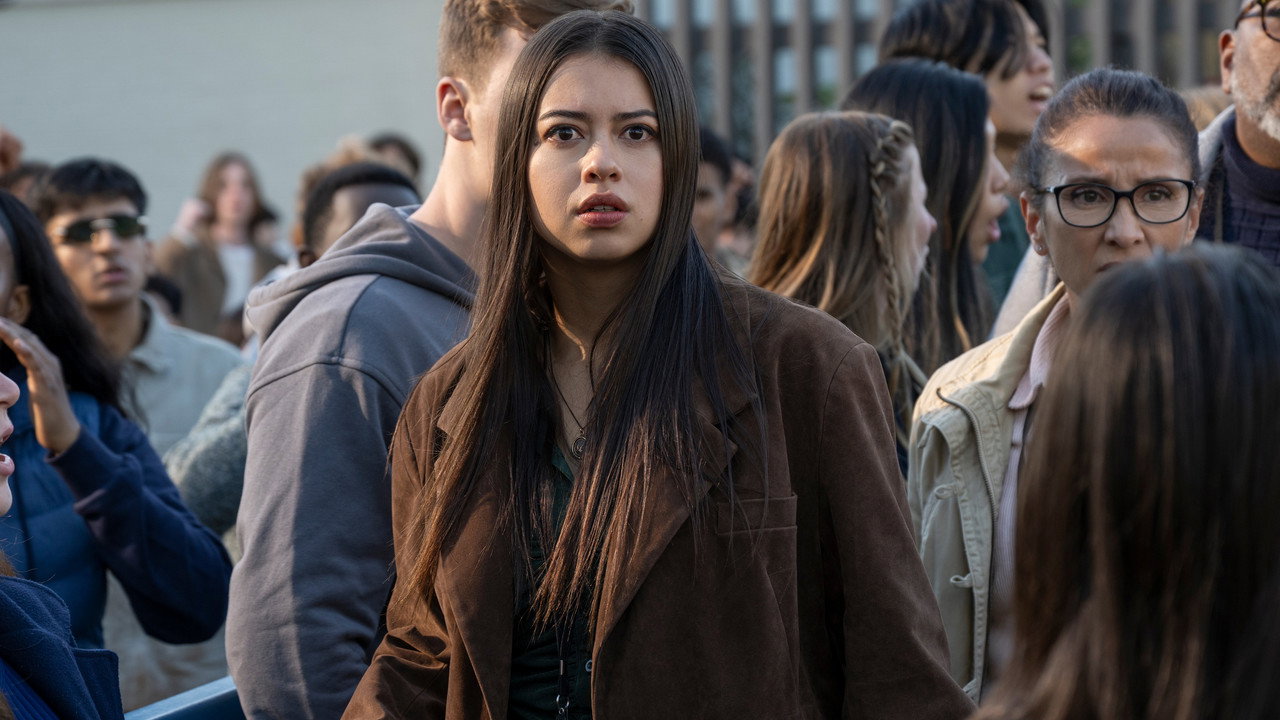
A Nuanced Margaret and Controlled Affection
Margaret White comes across less like a cartoonish monster and more like a deeply grieving mother whose cruelty is born out of terrified, smothering protectiveness.
Her religious mania is wrapped up tight with the grief of losing her husband. That constant panic helps bring her suffocating brand of love into focus, even if it never excuses how abusive she really is.
Emaline and the Expanded Psychic Universe
Flanagan leans hard into the tiny breadcrumbs King left about inherited telekinesis, expanding them into a full-blown underground network of women sharing the gift.
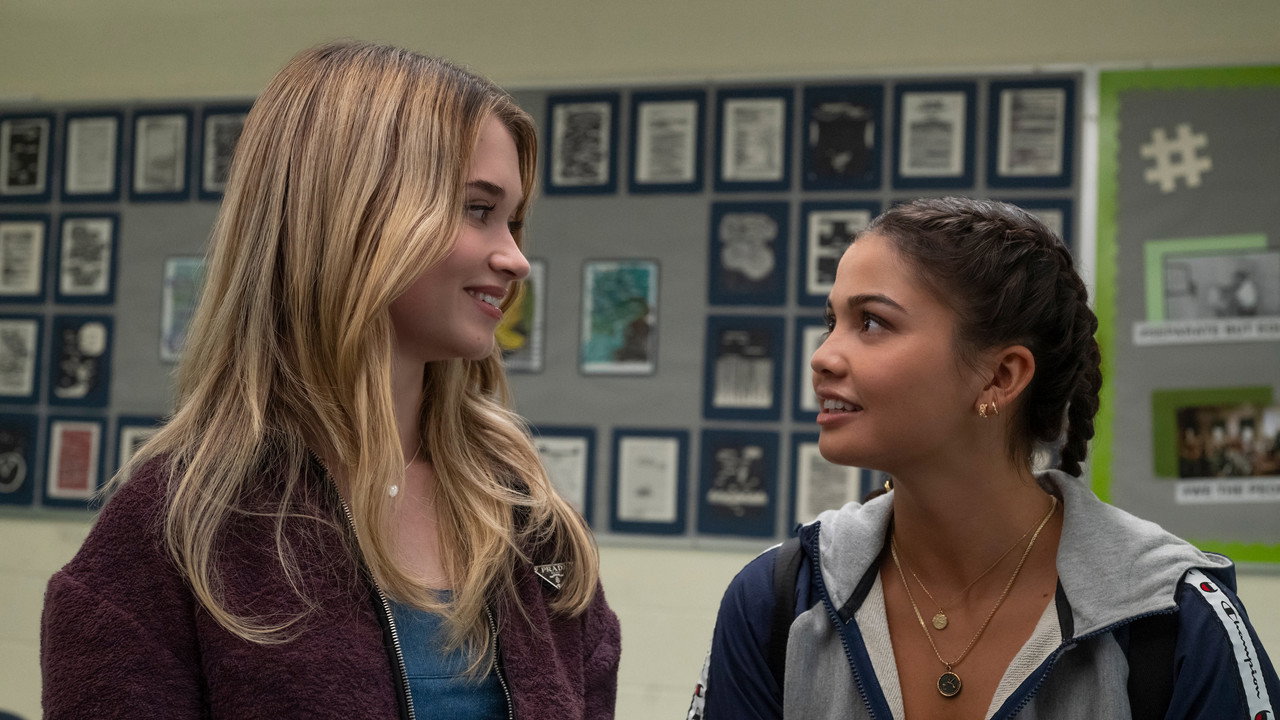
The biggest swing here is introducing Emaline, who initially looks like just another lonely transfer student and ends up becoming Carrie’s sole lifeline. Having her around fundamentally tilts the board for a character who had always suffered in total isolation.
Shared Responsibility on Prom Night
When prom night inevitably goes to hell, it doesn't play out the way King wrote it; the script fractures the violence across multiple people, muddling our gut instinct about Carrie’s moral culpability.
During the finale, "AP Physics," there are other psychics on the scene actively participating in the disaster. That makes it a lot trickier to pin down who is pulling the trigger on every horrific death.
An Altered Fate and Thematic Cost
Letting Carrie walk away alive completely reframes what this whole tragedy is actually trying to say.
King gave us a definitive, gut-wrenching death for a broken girl who simply snapped under pressure. In this 2026 adaptation, Carrie has to stay breathing, forced to carry the colossal psychological toll of her survival alongside what she actually did.
The finale trades the book’s scorched-earth punishment for a much more haunting question: what do you do the morning after the town burns down? Carrie is still a cautionary tale about how cruelty can shatter a young mind, but now she’s left trying to figure out how to exist in the world she tore to pieces.