
Skip to content
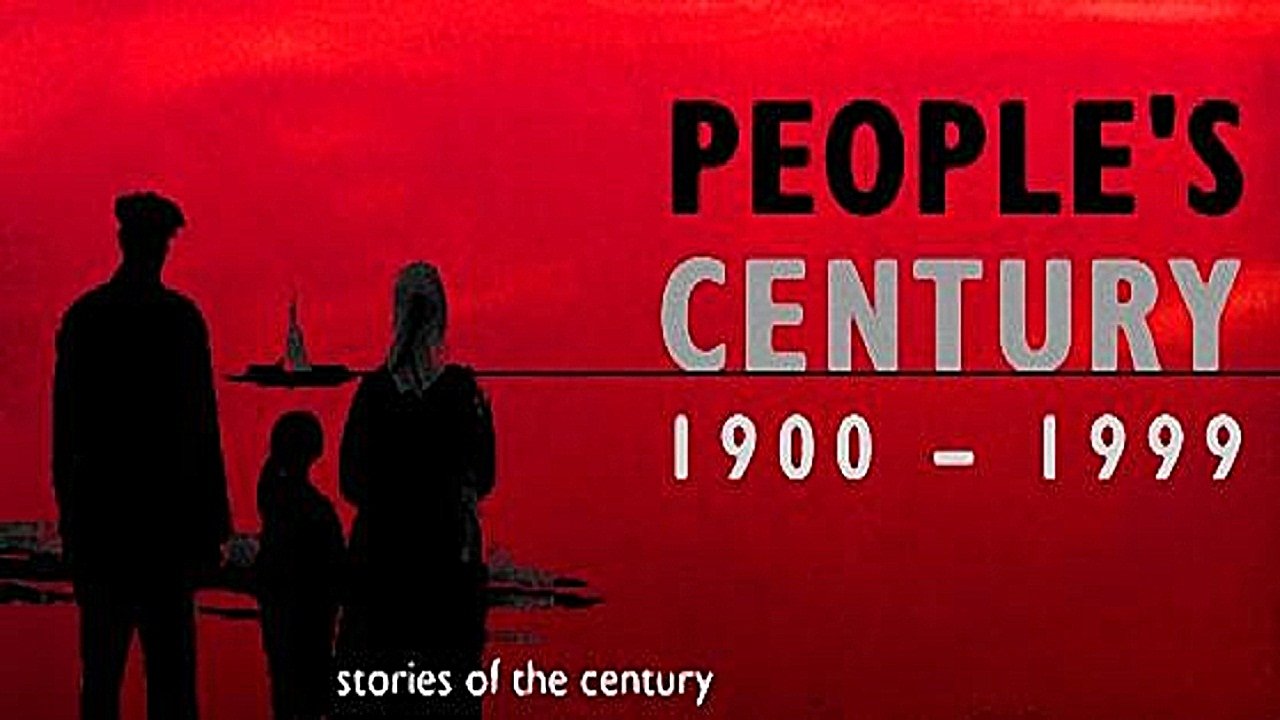
People's Century poster

Series

People's Century (1995)

1 seasonBBC One

People's Century is a television documentary series examining the 20th century. It was a joint production of the BBC in the United Kingdom and PBS member station WGBH Boston in the United States. First shown on BBC in 1995, the 26 parts of one hour deal with the socio-economic, political, and cultural movements that shaped the 20th century. The documentary won an International Emmy Award, among others. A departure from other documentaries that observe history as the actions of great men, People's Century considers the Century from the view of common people. Most persons interviewed were ordinary men and women who closely witnessed various events and they give personal accounts how developments in the Twentieth Century affected their lives. The opening credits depict various images from the century, accompanied with a theme music score by Zbigniew Preisner. A very short introduction of the episode would then follow, often illustrated by a dramatic event that illustrates the episode's particular theme coming to the fore. The British version was narrated by Sean Barrett and Veronika Hyks, the American by actors John Forsythe and Alfre Woodard. People's Century was coproduced by the BBC and WGBH with executive producers Peter Pagnamenta and Zvi Dor-Ner, respectively; along with producer David Espar.

Episodes

26 episodes across loaded seasons. Sign in to track your progress.

Synopsis

At the beginning of the twentieth century the world was stable and certain, but unequal. The Paris Exhibition of 1900 symbolises the optimism of a peaceful age when affluence is rising and people have faith in new technologies like electricity. The United States becomes the most powerful country in the world, destination for many immigrants from Europe. Compulsory education in many countries had led to a literate population exposed to new ideas, leisure and consumerism through newspapers. Trade unions grow in strength and force governments to protect employment conditions for workers, while suffragettes push for votes for women. Revolutions shake the political order in China and Russia. European empires continue to dominate the globe, however signs of dissent appear in India and South Africa, and Japan's victory over Russia in 1905 challenges the belief of white superiority. Nationalism rises in Europe, bringing the continent to conflict in 1914.