

Writing
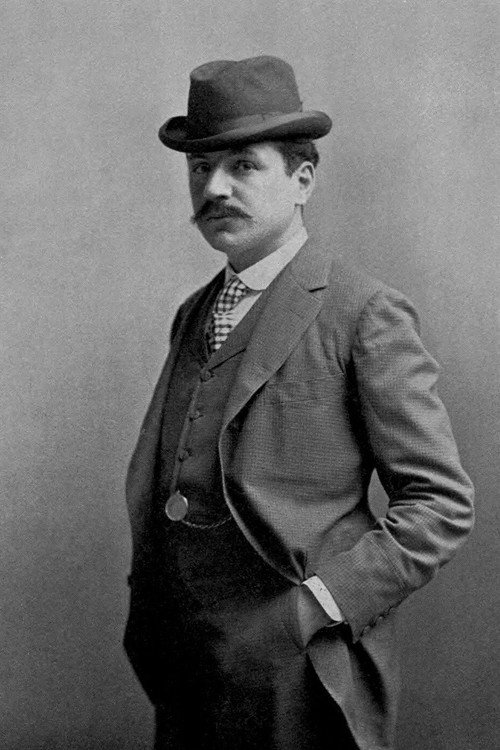
Paul Bourget
Born 2 September 1852 in Amiens, Somme, Picardie, France · Died 25 December 1935
6 credits
Paul Bourget was a French novelist and critic who was a master of the psychological novel and a molder of opinion among French conservative intellectuals in the pre-World War I period. After completing his studies in philosophy, Bourget began his career as a poet, and several of his poems were set to music by Claude Debussy. Encouraged and deeply influenced by the critic Hippolyte Taine, he published a series of essays tracing the sources of contemporary pessimism to the works of Stendhal, Gustave Flaubert, Charles Baudelaire, Taine, and Ernest Renan. Fashionable in their day because of their high-society setting, his early novels, such as Cruelle Énigme (1885), Un Crime d’amour (1886), and André Cornélis (1887), were careful psychological studies. Bourget’s most important novel, Le Disciple (1889), heralded a marked change in his intellectual position. Prefaced by an appeal to youth to abide by traditional morality rather than modern scientific theory, the novel portrays the pernicious influence of a highly respected positivist philosopher and teacher (who strongly resembles Taine) on a young man. Applying the philosopher’s teachings to life, the young man plays dangerous games with human emotions that end in a tragic crime. Bourget was converted to Roman Catholicism in 1901. His later novels, such as L’Étape (1902) and Un Divorce (1904), are increasingly didactic theses in…
Known for

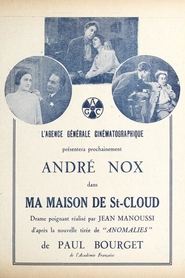
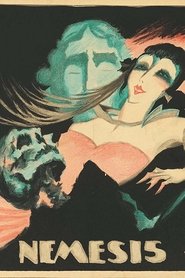

Writing 6
Filmography from TMDB.