

Directing
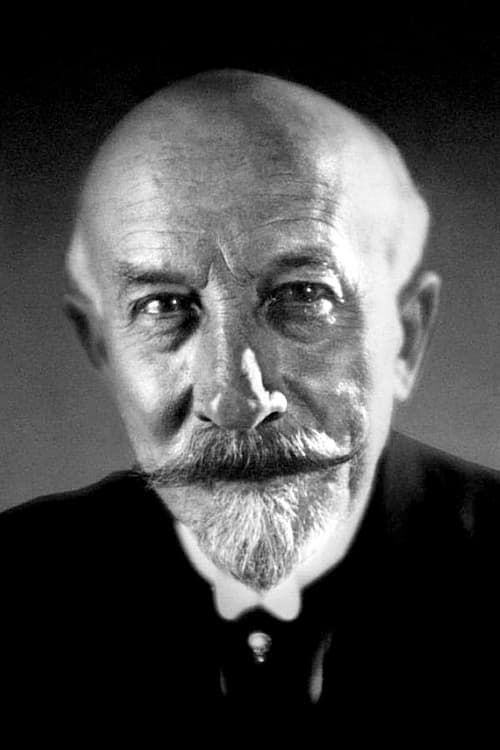
Georges Méliès
Born 8 December 1861 in Paris, France · Died 21 January 1938
619 credits
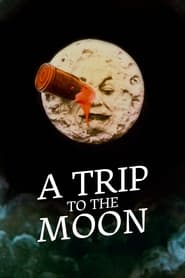
Georges Méliès (December 8, 1861 - January 21, 1938), full name Marie-Georges-Jean Méliès, was a French illusionist and filmmaker famous for leading many technical and narrative developments in the earliest days of cinema. One of the first filmmakers to use multiple exposures, time-lapse photography, tracking shots, dissolves, and hand-painted color in his work, Méliès pioneered effects that would define cinematic special effects for decades to come. A prolific innovator in the use of special effects, Méliès accidentally discovered the substitution stop trick in 1896, a method of creating seamless disappearing and/or appearing effects used throughout both films and television for decades to come. Because of his ability to seemingly manipulate and transform reality through cinematography, Méliès is sometimes referred to as the first "Cinemagician". Two of his best-known films are A Trip to the Moon (1902) and The Impossible Voyage (1904). Both stories involve strange, surreal voyages, somewhat in the style of Jules Verne, and are considered among the most important early science fiction films, though their approach is closer to fantasy. Méliès was also an early pioneer of horror cinema, which can be traced back to his Le Manoir du diable (1896). In early 1909 Méliès stopped making films to protest Thomas Edison's Motion Pictures Parents Company monopoly, and presided over…
Known for




Directing 353
- TBAAn Angelic ServantFilmDirector
- TBAThe Woes of Roller SkatersFilmDirector
- 2021Méliès: Tales of TerrorFilmDirector
- 2008Georges Méliès: The First Wizard of Cinema (1896-1913)FilmDirector
- 1929Gala MélièsFilmDirector
- 1913The Voyage of M. BourrichonFilmDirector
- 1912The Conquest of the PoleFilmDirector
- 1912Cinderella or The Glass SlipperFilmDirector
- 1912The Knight of the SnowFilmDirector
- 1911The Hallucinations of Baron MunchausenFilmDirector
- 1911The Diabolical Church WindowFilmDirector
- 1909The Diabolic TenantFilmDirector
- 1909Whimsical IllusionsFilmDirector
- 1909The Spider and the ButterflyFilmDirector
- 1909The Doctor's SecretFilmDirector
- 1909Hypnotist's RevengeFilmDirector
- 1908Long Distance Wireless PhotographyFilmDirector
- 1908Pharmaceutical HallucinationsFilmDirector
- 1908The New Lord of the VillageFilmDirector
- 1908Les malheurs d'un photographeFilmDirector
- 1908Sideshow WrestlersFilmDirector
- 1908Grandmother's Tale and Child's DreamFilmDirector
- 1908The Genii of FireFilmDirector
- 1908The MiserFilmDirector
- 1908The Dream of an Opium FiendFilmDirector
- 1908Les infortunes des patineursFilmDirector
- 1908The Broken ViolinFilmDirector
- 1908In the Barber ShopFilmDirector
- 1908The Good Shepherdess and the Evil PrincessFilmDirector
- 1908Buncoed Stage JohnnieFilmDirector
- 1908French Cops Learning EnglishFilmDirector
- 1908Justinian's Human TorchesFilmDirector
- 1908Not GuiltyFilmDirector
- 1908His First JobFilmDirector
- 1908The Prophetess of ThebesFilmDirector
- 1908A Tricky Painter’s FateFilmDirector
- 1908Why That Actor Was LateFilmDirector
- 1908The Indian SorcererFilmDirector
- 1908Tribulations; or, The Misfortunes of a CobblerFilmDirector
- 1908The Fortune Favors the BraveFilmDirector
- 1908The Helping HandFilmDirector
- 1908Honeymoon in a BalloonFilmDirector
- 1908The Fairy DragonflyFilmDirector
- 1908Fun With the Bridal PartyFilmDirector
- 1908Mishaps of the New York-Paris Auto RaceFilmDirector
- 1908The Mystery of the GarrisonFilmDirector
- 1908The Duke's Good JokeFilmDirector
- 1908The Wonderful CharmFilmDirector
- 1908A Lover's HazingFilmDirector
- 1908A Night With Masqueraders in ParisFilmDirector
- 1908A Fake Diamond SwindlerFilmDirector
- 1908The Hotel Mix-UpFilmDirector
- 1908Moitié de polkaFilmDirector
- 1908A Mistaken IdentityFilmDirector
- 1908Humanity Through the AgesFilmDirector
- 1908The Forester's RemedyFilmDirector
- 1908Pranks With a Fake PythonFilmDirector
- 1908L'agent geléFilmDirector
- 1908The Old Footlight FavoriteFilmDirector
- 1908Hunting the Teddy BearFilmDirector
- 1908A Love Tragedy in SpainFilmDirector
- 1908Curiosity PunishedFilmDirector
- 1908Two Crazy BugsFilmDirector
- 1908The Living DollFilmDirector
- 1908The Little Peace MakerFilmDirector
- 1908Oriental Black ArtFilmDirector
- 1908The Magic of Catchy SongsFilmDirector
- 1908Why That Actor Was LateFilmDirector
- 1908Up-to-Date Clothes CleaningFilmDirector
- 1908Two Talented VagabondsFilmDirector
- 1908Incident from Don QuixoteFilmDirector
- 1907The Eclipse: Courtship of the Sun and MoonFilmDirector
- 1907Tunneling the English ChannelFilmDirector
- 190720,000 Leagues Under the SeaFilmDirector
- 1907Delirium in a StudioFilmDirector
- 1907Sightseeing Through WhiskyFilmDirector
- 1907The Good Luck of a 'Souse'FilmDirector
- 1907The Knight of Black ArtFilmDirector
- 1907Good Glue SticksFilmDirector
- 1907In the Bogie Man's CaveFilmDirector
- 1907Satan in PrisonFilmDirector
- 1907How Bridget's Lover EscapedFilmDirector
- 1907The King and the JesterFilmDirector
- 1907Rogues' TricksFilmDirector
- 1907The Skipping CheeseFilmDirector
- 1907Hamlet, Prince of DenmarkFilmDirector
- 1907Chopin's Funeral March BurlesquedFilmDirector
- 1907Shakespeare Writing "Julius Caesar"FilmDirector
- 1907The Bewildering CabinetFilmDirector
- 1907A New Death PenaltyFilmDirector
- 1907A Mischievous SketchFilmDirector
- 1907Bakers in TroubleFilmDirector
- 1907A Forester Made KingFilmDirector
- 1907Drink! A Great Temperance StoryFilmDirector
- 1906The Merry Frolics of SatanFilmDirector
- 1906The WitchFilmDirector
- 1906The Hilarious PostersFilmDirector
- 1906The Mysterious RetortFilmDirector
- 1906A Desperate CrimeFilmDirector
- 1906Punch and JudyFilmDirector
- 1906The Luny MusicianFilmDirector
- 1906The Tramp and the Mattress MakersFilmDirector
- 1906A Roadside InnFilmDirector
- 1906Soap BubblesFilmDirector
- 1906Robert Macaire and BertrandFilmDirector
- 1906A Mix-Up in the GalleryFilmDirector
- 1906Jack the Chimney SweepFilmDirector
- 1906A Seaside FlirtationFilmDirector
- 1906A Spiritualist MeetingFilmDirector
- 1906Who Looks, Pays!FilmDirector
- 1906Old and New Style ConjurersFilmDirector
- 1905The Black ImpFilmDirector
- 1905The Scheming Gambler's ParadiseFilmDirector
- 1905The Inventor Crazybrains and His Wonderful AirshipFilmDirector
- 1905The Palace of the Arabian NightsFilmDirector
- 1905Ulysses and the Giant PolyphemusFilmDirector
- 1905The Living Playing CardsFilmDirector
- 1905The Enchanted Sedan ChairFilmDirector
- 1905Rip's DreamFilmDirector
- 1905An Adventurous Automobile TripFilmDirector
- 1905A Mesmerian ExperimentFilmDirector
- 1905The Magic DiceFilmDirector
- 1905An Improvised Fireworks DisplayFilmDirector
- 1905The Lilliputian MinuetFilmDirector
- 1905A Crazy ComposerFilmDirector
- 1905The Chloroform FiendsFilmDirector
- 1905The King of SharpshootersFilmDirector
- 1905The Angler's Nightmare, or A Policeman's TroublesFilmDirector
- 1905The Venetian Looking-GlassFilmDirector
- 1905The Tower of LondonFilmDirector
- 1905Life-Saving Up-to-DateFilmDirector
- 1905Mr. Dauber and the Whimsical PictureFilmDirector
- 1904The Impossible VoyageFilmDirector
- 1904The MermaidFilmDirector
- 1904The Untamable WhiskersFilmDirector
- 1904The Wonderful Living FanFilmDirector
- 1904Faust and MargueriteFilmDirector
- 1904The Devilish PlankFilmDirector
- 1904The Christmas AngelFilmDirector
- 1904The Cook in TroubleFilmDirector
- 1904Tchin-Chao, the Chinese ConjurerFilmDirector
- 1904Tit for TatFilmDirector
- 1904A Miracle Under the InquisitionFilmDirector
- 1904The FirefallFilmDirector
- 1904Every Man His Own Cigar LighterFilmDirector
- 1904The Clockmaker's DreamFilmDirector
- 1904The Wandering JewFilmDirector
- 1904The Fugitive ApparitionsFilmDirector
- 1904The Bewitched TrunkFilmDirector
- 1904The Imperceptible TransmutationsFilmDirector
- 1904The Wonderful Rose TreeFilmDirector
- 1904A Wager Between Two Magicians, or, Jealous of MyselfFilmDirector
- 1904The Invisible SivaFilmDirector
- 1904The Providence of the WavesFilmDirector
- 1904Uncle Rube's BirthdayFilmDirector
- 1904The Grotto of SurprisesFilmDirector
- 1904Simple Simon's Surprise PartyFilmDirector
- 1904The Animated CostumesFilmDirector
- 1904The Astonishing FrameFilmDirector
- 1904The Fake Russian ProphetFilmDirector
- 1904The Barber of SevilleFilmDirector
- 1904A Wedding by CorrespondenceFilmDirector
- 1904The Impossible DinnerFilmDirector
- 1904The Shadow LadyFilmDirector
- 1904Benvenuto Cellini or A Curious EvasionFilmDirector
- 1904The Mischances of a DrunkardFilmDirector
- 1903The Kingdom of the FairiesFilmDirector
- 1903The MelomaniacFilmDirector
- 1903The MonsterFilmDirector
- 1903The Infernal CauldronFilmDirector
- 1903The Infernal Cake-WalkFilmDirector
- 1903The Magic LanternFilmDirector
- 1903The Terrible Turkish ExecutionerFilmDirector
- 1903A Spiritualist PhotographerFilmDirector
- 1903The Inn Where No Man RestsFilmDirector
- 1903Faust in the UnderworldFilmDirector
- 1903ApparitionsFilmDirector
- 1903Extraordinary IllusionsFilmDirector
- 1903The Mystical FlameFilmDirector
- 1903Jupiter's ThunderballsFilmDirector
- 1903Misfortune Never Comes AloneFilmDirector
- 1903The Enchanted WellFilmDirector
- 1903Bob Kick, the Mischievous KidFilmDirector
- 1903The Oracle of DelphiFilmDirector
- 1903The Ballet Master's DreamFilmDirector
- 1903A Moonlight SerenadeFilmDirector
- 1903Alcofribas, The Master MagicianFilmDirector
- 1903The Mysterious BoxFilmDirector
- 1903Ten Ladies in an UmbrellaFilmDirector
- 1903Jack Jags and Dum DumFilmDirector
- 1903The Marvellous WreathFilmDirector
- 1903The Drawing LessonFilmDirector
- 1903The Witch's RevengeFilmDirector
- 1903Comical ConjuringFilmDirector
- 1903Les Mousquetaires de la reineFilmDirector
- 1903Beelzebub's DaughtersFilmDirector
- 1903The Enchanted BasketFilmDirector
- 1902A Trip to the MoonFilmDirector
- 1902Gulliver's Travels Among the Lilliputians and the GiantsFilmDirector
- 1902Robinson CrusoeFilmDirector
- 1902The Devil and the StatueFilmDirector
- 1902The Terrible Eruption of Mount Pelee and Destruction of St. Pierre, MartiniqueFilmDirector
- 1902The Prolific Magical EggFilmDirector
- 1902The Treasures of SatanFilmDirector
- 1902The Human FlyFilmDirector
- 1902The Coronation of Edward VIIFilmDirector
- 1902The Colonel's Shower BathFilmDirector
- 1902An Impossible Balancing FeatFilmDirector
- 1902The Microscopic DancerFilmDirector
- 1902The Dwarf and the GiantFilmDirector
- 1902The Magician and the ImpFilmDirector
- 1902Drunkard and InventorFilmDirector
- 1902Sure Cure for IndigestionFilmDirector
- 1902Cabinet Trick of the Davenport BrothersFilmDirector
- 1902The Catastrophe of the Balloon "Le Pax"FilmDirector
- 1902Wine Cellar BurglarsFilmDirector
- 1902Marvelous SuspensionFilmDirector
- 1901The Man with the Rubber HeadFilmDirector
- 1901BluebeardFilmDirector
- 1901An Extraordinary DislocationFilmDirector
- 1901Off to BedlamFilmDirector
- 1901The Prince of MagiciansFilmDirector
- 1901The Brahmin and the ButterflyFilmDirector
- 1901The Bachelor's ParadiseFilmDirector
- 1901Hat of Many SurprisesFilmDirector
- 1901The Magician's CavernFilmDirector
- 1901The Triple Headed LadyFilmDirector
- 1901Little Red Riding HoodFilmDirector
- 1901Painless DentistryFilmDirector
- 1901Fun in CourtFilmDirector
- 1901A Good TrickFilmDirector
- 1901The Sacred FountainFilmDirector
- 1901The Temple of the SunFilmDirector
- 1901A Maiden's ParadiseFilmDirector
- 1901A Phrenological BurlesqueFilmDirector
- 1901The Dragon FlyFilmDirector
- 1901The Trials of a SchoolmasterFilmDirector
- 1901The Dream of a Hindu BeggarFilmDirector
- 1901The Elastic BattalionFilmDirector
- 1900The Astronomer's DreamFilmDirector
- 1900The One-Man BandFilmDirector
- 1900Joan of ArcFilmDirector
- 1900The Christmas DreamFilmDirector
- 1900Going to Bed Under DifficultiesFilmDirector
- 1900The Magic BookFilmDirector
- 1900How He Missed His TrainFilmDirector
- 1900A Fantastical MealFilmDirector
- 1900Up-to-Date SpiritualismFilmDirector
- 1900The Fat and Lean Wrestling MatchFilmDirector
- 1900The Cook's RevengeFilmDirector
- 1900The Rajah's Dream or The Bewitched WoodFilmDirector
- 1900Addition and SubtractionFilmDirector
- 1900The Triple Conjurer and the Living HeadFilmDirector
- 1900The Wizard, the Prince and the Good FairyFilmDirector
- 1900The Doctor and the MonkeyFilmDirector
- 1900The Misfortunes of an ExplorerFilmDirector
- 1900What Is Home Without the BoarderFilmDirector
- 1900The Artist and the DummyFilmDirector
- 1900Eight Girls in a BarrelFilmDirector
- 1900The Unexpected BathFilmDirector
- 1900Les miracles du BrahmineFilmDirector
- 1900The Two Blind MenFilmDirector
- 1900L'homme aux cent trucsFilmDirector
- 1900Cooks fightFilmDirector
- 1900Crying and LaughingFilmDirector
- 1900China Versus Allied PowersFilmDirector
- 1900The FleaFilmDirector
- 1900The Coup of Pere FrancoisFilmDirector
- 1900The BathFilmDirector
- 1900The StickFilmDirector
- 1899CinderellaFilmDirector
- 1899The Pillar of FireFilmDirector
- 1899The Devil in a ConventFilmDirector
- 1899The Dreyfus AffairFilmDirector
- 1899An Up-to-Date ConjurerFilmDirector
- 1899The Mysterious KnightFilmDirector
- 1899Suicide of Colonel HenryFilmDirector
- 1899The Mysterious PortraitFilmDirector
- 1899The Attempt Against the Life of Maitre LaboriFilmDirector
- 1899The Human PyramidFilmDirector
- 1899The Fight of ReportersFilmDirector
- 1899The Court Martial at RennesFilmDirector
- 1899Dreyfus Court Martial - Arrest Of DreyfusFilmDirector
- 1899Dreyfus Put in IronsFilmDirector
- 1899Summoning the SpiritsFilmDirector
- 1899Dreyfus Meets His Wife at RennesFilmDirector
- 1899Extravagant StrugglesFilmDirector
- 1899Landing of Dreyfus at QuiberonFilmDirector
- 1899Devil's Island - Within the PalisadeFilmDirector
- 1899Cleopatra's TombFilmDirector
- 1899Fantastic Dining RoomFilmDirector
- 1899Dreyfus Leaving the Lycée for JailFilmDirector
- 1899Christ Walking on WaterFilmDirector
- 1899A Midnight EpisodeFilmDirector
- 1899The Clown and AutomobileFilmDirector
- 1899Murder Will OutFilmDirector
- 1899The Degradation of DreyfusFilmDirector
- 1899Lightning Change ArtistFilmDirector
- 1899Le conférencier distraitFilmDirector
- 1898The Four Troublesome HeadsFilmDirector
- 1898Divers at Work on the Wreck of the "Maine"FilmDirector
- 1898The Temptation of St. AnthonyFilmDirector
- 1898Adventures of William TellFilmDirector
- 1898The MagicianFilmDirector
- 1898Pygmalion and GalateaFilmDirector
- 1898Panorama from Top of a Moving TrainFilmDirector
- 1898The Famous Box TrickFilmDirector
- 1898The Damnation of FaustFilmDirector
- 1898The Bridegroom's DilemmaFilmDirector
- 1898The Cave of the DemonsFilmDirector
- 1898Visite de l'épave du MaineFilmDirector
- 1898Carrefour de l'opéraFilmDirector
- 1898Guerre de Cuba et l'explosion du Maine à La HavaneFilmDirector
- 1898A Woman SurprisedFilmDirector
- 1898A Novice at X-RaysFilmDirector
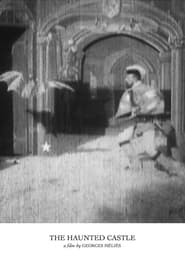
- 1897Le château hantéFilmDirector
- 1897The Bewitched InnFilmDirector
- 1897After the BallFilmDirector
- 1897Naval Combat in GreeceFilmDirector
- 1897The Hallucinated AlchemistFilmDirector
- 1897Between Calais and DoverFilmDirector
- 1897The Surrender of TournavosFilmDirector
- 1897The Last CartridgesFilmDirector
- 1897Gugusse and the AutomatonFilmDirector
- 1897On the RoofFilmDirector
- 1897The Devil's LaboratoryFilmDirector
- 1897Faust and MargueriteFilmDirector
- 1897Fencing at the Joinville SchoolFilmDirector
- 1897The Grasshopper and the AntFilmDirector
- 1897D. Devant, ConjurerFilmDirector
- 1897Dancing in a HaremFilmDirector
- 1897Boxing MatchFilmDirector
- 1897A Funny MahometanFilmDirector
- 1897A Twentieth Century SurgeonFilmDirector
- 1897A Terrible Night (Remake)FilmDirector
- 1897An Irritable ModelFilmDirector
- 1897Bois de BoulogneFilmDirector
- 1897Passage dangereux au Mont-BlancFilmDirector
- 1896Le manoir du diableFilmDirector
- 1896The Vanishing LadyFilmDirector
- 1896A NightmareFilmDirector
- 1896Playing CardsFilmDirector
- 1896A Terrible NightFilmDirector
- 1896Post No BillsFilmDirector
- 1896Arrival of a Train at Vincennes StationFilmDirector
- 1896ConjuringFilmDirector
- 1896A Soldier's Unlucky SalutationFilmDirector
- 1896Conjurer Making Ten Hats in Sixty SecondsFilmDirector
- 1896Arrival of a Train (Joinville Station)FilmDirector
- 1896Miss de Vère - English JigFilmDirector
- 1896A Serpentine DanceFilmDirector
- 1896Les tribulations d'un conciergeFilmDirector
- 1896Watering the FlowersFilmDirector
Acting 153
- 2025Satans Sacrilegious SagaFilmDevil
- 2024Alcoléa & cie DocumentaryFilm
- 2021The Méliès MysteryFilmSelf (archive footage)
- 2021Méliès: Tales of TerrorFilmThe Melomaniac
- 2014El hombre que quiso ser SegundoFilmSelf (archive footage)
- 2012The Cinemagician, Georges MélièsFilmSelf (archive footage)
- 2011The Extraordinary VoyageFilmSelf - Filmmaker (archive footage)
- 2008Georges Méliès: The First Wizard of Cinema (1896-1913)FilmVarious Roles
- 1997The Magic of MélièsFilmSelf / Various Roles (archive footage)
- 1979Cinematógrafo 1900FilmSelf (archive footage)
- 1978Encyclopédie audiovisuelle du cinémaSeriesSelf (archive footage)
- 1939Violons d'IngresFilmHimself (archive footage)
- 1929Gala MélièsFilmHimself
- 1912The Conquest of the PoleFilmLe professeur Mabouloff
- 1912Cinderella or The Glass SlipperFilmPrince's Messenger
- 1912The Knight of the SnowFilmDevil
- 1911The Diabolical Church WindowFilm
- 1909The Diabolic TenantFilmLe locataire diabolique
- 1909Whimsical IllusionsFilmThe Magician
- 1909The Doctor's SecretFilm
- 1908Long Distance Wireless PhotographyFilm
- 1908The New Lord of the VillageFilmLe fantôme de César
- 1908Les infortunes des patineursFilmPasserby
- 1908In the Barber ShopFilm
- 1908French Cops Learning EnglishFilmThe Police Inspector
- 1908Not GuiltyFilmThe Old Farmer
- 1908The Indian SorcererFilmThe Fakir
- 1908Tribulations; or, The Misfortunes of a CobblerFilmThe Roman
- 1908The Fortune Favors the BraveFilmGnome
- 1907The Eclipse: Courtship of the Sun and MoonFilmProfessor of Astronomy
- 1907Tunneling the English ChannelFilm
- 190720,000 Leagues Under the SeaFilm
- 1907Delirium in a StudioFilmAli Barbouyou
- 1907The Good Luck of a 'Souse'FilmLe commissaire de police
- 1907Good Glue SticksFilm
- 1907Satan in PrisonFilmSatan
- 1907The King and the JesterFilmTribolet
- 1906The Merry Frolics of SatanFilmSatan
- 1906The WitchFilmThe Fairy Carabosse
- 1906The Hilarious PostersFilmThe Bill Poster
- 1906The Mysterious RetortFilm
- 1906A Desperate CrimeFilm
- 1906A Roadside InnFilmDrunk Traveler
- 1905The Black ImpFilm
- 1905The Inventor Crazybrains and His Wonderful AirshipFilm
- 1905The Palace of the Arabian NightsFilmThe Sorcerer Khalafar (uncredited)
- 1905Ulysses and the Giant PolyphemusFilmUlysses (uncredited)
- 1905The Living Playing CardsFilmThe Magician
- 1905Rip's DreamFilmRip Van Winkle
- 1905A Mesmerian ExperimentFilm
- 1905The Lilliputian MinuetFilm
- 1904The Impossible VoyageFilmMabouloff
- 1904The MermaidFilm
- 1904The Untamable WhiskersFilmMan with whiskers
- 1904The Wonderful Living FanFilm
- 1904Faust and MargueriteFilmMéphistophélès
- 1904The Devilish PlankFilm
- 1904The Christmas AngelFilmThe Rag-and-Bone Man / Beggar on Crutches / Coal Seller
- 1904The Cook in TroubleFilm
- 1904Tchin-Chao, the Chinese ConjurerFilm
- 1904Tit for TatFilm
- 1904The FirefallFilmSatan
- 1904Every Man His Own Cigar LighterFilm
- 1904The Clockmaker's DreamFilm
- 1904The Wandering JewFilm
- 1904The Fugitive ApparitionsFilm
- 1904The Imperceptible TransmutationsFilmPrince
- 1904A Wager Between Two Magicians, or, Jealous of MyselfFilmThe Magician / The Double
- 1903The Kingdom of the FairiesFilmПринц Бель-Азор
- 1903The MelomaniacFilm
- 1903The MonsterFilmThe priest
- 1903The Infernal CauldronFilmDevil
- 1903The Infernal Cake-WalkFilmDevil
- 1903The Magic LanternFilm
- 1903The Terrible Turkish ExecutionerFilmThe Executioner
- 1903Faust in the UnderworldFilmMephistopholes
- 1903ApparitionsFilm
- 1903Extraordinary IllusionsFilm
- 1903The Mystical FlameFilm
- 1903Jupiter's ThunderballsFilm
- 1903Misfortune Never Comes AloneFilmLamplighter
- 1903Bob Kick, the Mischievous KidFilm
- 1903The Oracle of DelphiFilm
- 1903The Ballet Master's DreamFilm
- 1903A Moonlight SerenadeFilm
- 1903Alcofribas, The Master MagicianFilm
- 1903The Mysterious BoxFilm
- 1903The Marvellous WreathFilm
- 1903Beelzebub's DaughtersFilm
- 1903The Enchanted BasketFilm
- 1902A Trip to the MoonFilmProfesseur Barbenfouillis / La Lune
- 1902Gulliver's Travels Among the Lilliputians and the GiantsFilmGulliver
- 1902Robinson CrusoeFilmRobinson Crusoé
- 1902The Devil and the StatueFilm
- 1902The Prolific Magical EggFilm
- 1902The Treasures of SatanFilm
- 1902The Human FlyFilmThe Hindoo Magician
- 1902An Impossible Balancing FeatFilmThe Magician
- 1902The Dwarf and the GiantFilm
- 1902Sure Cure for IndigestionFilmDoctor
- 1901The Man with the Rubber HeadFilmАптекар / Гумова голова
- 1901BluebeardFilmBarbe-bleue / The Devil / Kitchen's assistant
- 1901The Prince of MagiciansFilmExcelsior
- 1901The Brahmin and the ButterflyFilmThe brahmin
- 1901Hat of Many SurprisesFilm
- 1901The Magician's CavernFilm
- 1901The Triple Headed LadyFilm
- 1901The Temple of the SunFilm
- 1901A Maiden's ParadiseFilmThe Wizard
- 1901A Phrenological BurlesqueFilm
- 1900The Astronomer's DreamFilmАстроном
- 1900The One-Man BandFilmAll the members of the orchestra
- 1900Joan of ArcFilmPère de Jeanne
- 1900The Christmas DreamFilmBeggar
- 1900Going to Bed Under DifficultiesFilmThe Man
- 1900The Magic BookFilmThe Magician
- 1900A Fantastical MealFilmThe Man
- 1900Up-to-Date SpiritualismFilmLe comique excentrique
- 1900The Fat and Lean Wrestling MatchFilmWrestler
- 1900The Triple Conjurer and the Living HeadFilmConjurer
- 1900The Wizard, the Prince and the Good FairyFilmPrince
- 1900The Artist and the DummyFilmArtiste
- 1899CinderellaFilmle gnome de la pendule / le suisse à l'entrée de l'église
- 1899The Pillar of FireFilm
- 1899The Devil in a ConventFilmThe Devil
- 1899The Dreyfus AffairFilmFernand Labori
- 1899An Up-to-Date ConjurerFilmMagician
- 1899The Mysterious KnightFilmLe chevalier mystère
- 1899The Mysterious PortraitFilmL'illusioniste
- 1899The Human PyramidFilm
- 1899Summoning the SpiritsFilm
- 1899Cleopatra's TombFilmun profanateur de la tombe de Cléopâtre
- 1899A Midnight EpisodeFilmThe Sleeping Man (uncredited)
- 1898The Four Troublesome HeadsFilmФокусник
- 1898The Temptation of St. AnthonyFilmSaint Antoine
- 1898The MagicianFilmLe Sculpteur
- 1898Pygmalion and GalateaFilmPygmalion
- 1898The Famous Box TrickFilmThe Magician
- 1898The Bridegroom's DilemmaFilmLe marié
- 1897Le château hantéFilmMephisto
- 1897The Bewitched InnFilmThe Traveler
- 1897Naval Combat in GreeceFilmThe Captain
- 1897Between Calais and DoverFilmThe Man in the Checked Suit
- 1897Gugusse and the AutomatonFilmGugusse
- 1897Faust and MargueriteFilmMéphistophélès
- 1897Dancing in a HaremFilm
- 1897A Funny MahometanFilmThe Funny Mahometan
- 1896Le manoir du diableFilmМефістофель
- 1896The Vanishing LadyFilmФокусник
- 1896A NightmareFilmMan
- 1896Playing CardsFilmUn joueur de cartes
- 1896A Terrible NightFilmL'homme qui essaie de dormir
- 1896ConjuringFilmHimself
Writing 33
- 2008Georges Méliès: The First Wizard of Cinema (1896-1913)FilmWriter
- 1912The Conquest of the PoleFilmScreenplay
- 1912Cinderella or The Glass SlipperFilmWriter
- 1909The Diabolic TenantFilmScreenplay
- 1909Whimsical IllusionsFilmScreenplay
- 1908Excursion to the MoonFilmOriginal Film Writer
- 1908Sideshow WrestlersFilmWriter
- 1906The Merry Frolics of SatanFilmScreenplay
- 1906The WitchFilmWriter
- 1905The Inventor Crazybrains and His Wonderful AirshipFilmScreenplay
- 1905Rip's DreamFilmScreenplay
- 1904The Impossible VoyageFilmScreenplay
- 1904The Imperceptible TransmutationsFilmWriter
- 1903The Kingdom of the FairiesFilmScreenplay
- 1903The Infernal CauldronFilmScreenplay
- 1903Alcofribas, The Master MagicianFilmScreenplay
- 1902A Trip to the MoonFilmScreenplay
- 1902Gulliver's Travels Among the Lilliputians and the GiantsFilmWriter
- 1902Robinson CrusoeFilmScreenplay
- 1902An Impossible Balancing FeatFilmStory
- 1901BluebeardFilmAdaptation, Writer
- 1900The Astronomer's DreamFilmScreenplay
- 1900Joan of ArcFilmScreenplay
- 1900The Wizard, the Prince and the Good FairyFilmWriter
- 1900L'homme aux cent trucsFilmWriter
- 1899CinderellaFilmWriter
- 1899The Pillar of FireFilmScreenplay
- 1898The Four Troublesome HeadsFilmWriter
- 1897Le château hantéFilmScreenplay
- 1897The Bewitched InnFilmScreenplay
- 1896Le manoir du diableFilmWriter
- 1896Playing CardsFilmWriter
- 1896A Terrible NightFilmWriter
Camera 5
Production 39
- 2021Méliès: Tales of TerrorFilmProducer
- 1912The Conquest of the PoleFilmProducer
- 1909The Diabolic TenantFilmProducer
- 1909Whimsical IllusionsFilmProducer
- 1907Tunneling the English ChannelFilmProducer
- 1906The Merry Frolics of SatanFilmProducer
- 1906The WitchFilmProducer
- 1906The Hilarious PostersFilmProducer
- 1905The Black ImpFilmProducer
- 1905The Inventor Crazybrains and His Wonderful AirshipFilmProducer
- 1905The Palace of the Arabian NightsFilmProducer
- 1905Rip's DreamFilmProducer
- 1904The Impossible VoyageFilmProducer
- 1904The Christmas AngelFilmProducer
- 1904The Wandering JewFilmProducer
- 1903The Kingdom of the FairiesFilmProducer
- 1903The Infernal CauldronFilmProducer
- 1902A Trip to the MoonFilmProducer
- 1902Robinson CrusoeFilmProducer
- 1902The Human FlyFilmProducer
- 1902An Impossible Balancing FeatFilmProducer
- 1901The Man with the Rubber HeadFilmProducer
- 1901BluebeardFilmProducer
- 1901The Prince of MagiciansFilmProducer
- 1900The Astronomer's DreamFilmProducer, Production Designer
- 1900The One-Man BandFilmProducer
- 1900Joan of ArcFilmProducer
- 1900The Wizard, the Prince and the Good FairyFilmProducer
- 1899CinderellaFilmProducer
- 1899The Pillar of FireFilmProducer
- 1899A Midnight EpisodeFilmProducer
- 1898The Four Troublesome HeadsFilmProducer
- 1898Panorama from Top of a Moving TrainFilmProducer
- 1897Le château hantéFilmProducer
- 1897The Bewitched InnFilmProducer
- 1896Le manoir du diableFilmProducer
- 1896The Vanishing LadyFilmProducer
- 1896A NightmareFilmProducer
- 1896A Terrible NightFilmProducer
Crew 6
Art 23
- 1909The Diabolic TenantFilmProduction Design
- 1909Whimsical IllusionsFilmProduction Design
- 1907Tunneling the English ChannelFilmProduction Design
- 1906The Merry Frolics of SatanFilmProduction Design
- 1906The WitchFilmProduction Design
- 1905The Inventor Crazybrains and His Wonderful AirshipFilmProduction Design
- 1905The Palace of the Arabian NightsFilmProduction Design
- 1905Rip's DreamFilmProduction Design
- 1904The Impossible VoyageFilmProduction Design
- 1903The Kingdom of the FairiesFilmProduction Design
- 1903The Infernal CauldronFilmProduction Design
- 1902A Trip to the MoonFilmProduction Design
- 1902Robinson CrusoeFilmProduction Design
- 1901BluebeardFilmProduction Design
- 1900Joan of ArcFilmProduction Design
- 1899CinderellaFilmProduction Design
- 1899The Pillar of FireFilmProduction Design
- 1897Le château hantéFilmProduction Design
- 1897The Bewitched InnFilmProduction Design
- 1896Le manoir du diableFilmProduction Design
- 1896The Vanishing LadyFilmProduction Design
- 1896A NightmareFilmProduction Design
- 1896A Terrible NightFilmProduction Design
Editing 7
Filmography from TMDB.