
Why Zara's Death in Jurassic World Still Feels So Wrong
The discomfort isn’t about the dinosaur body count. It's about how the film uses the visual language of a villain's demise for an innocent bystander.
KinoShelf Journal · · 3 min read
Zara’s demise in Jurassic World feels disproportionately cruel not because of the blood, but because of the camera work. The film takes the prolonged, multi-stage cinematic grammar usually reserved for a main villain and applies it to an ordinary bystander. That structural mismatch is why the scene remains the franchise's most debated moment.
- The scene: Aviary breakout attack on Main Street.
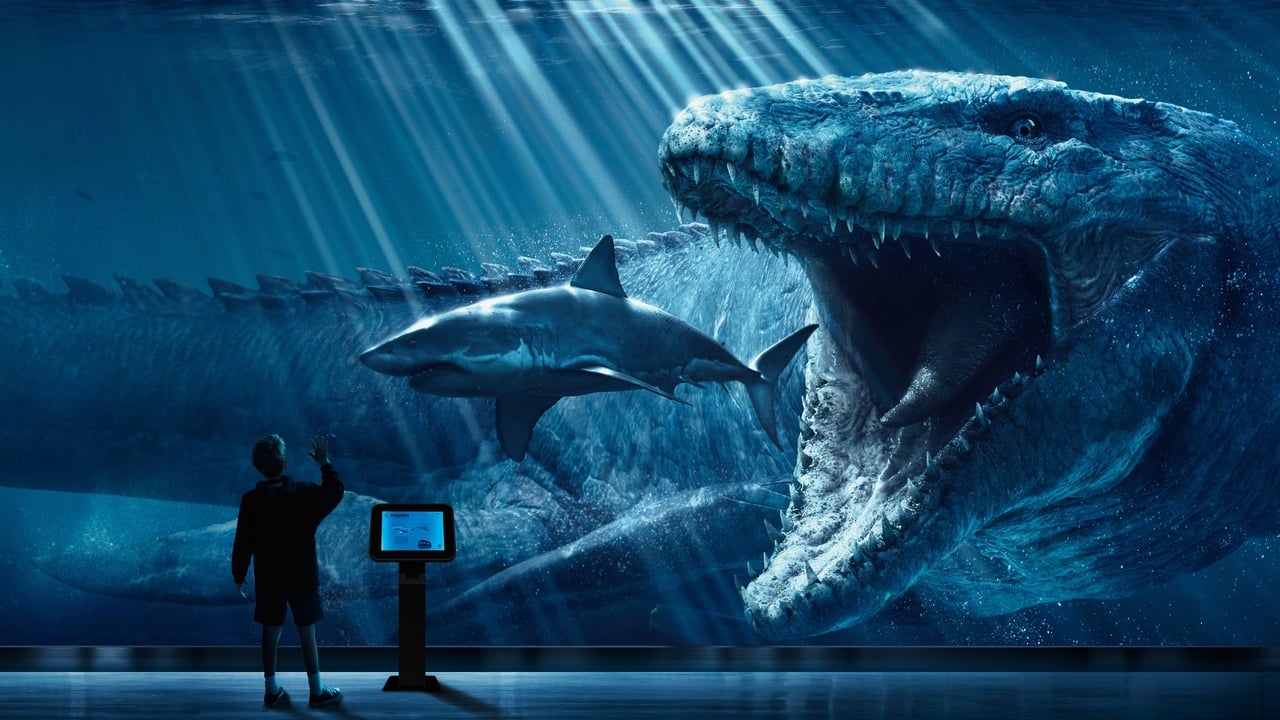
- The dinosaurs: Pteranodons and the Mosasaurus.
- Franchise milestone: The first on-screen female death in the series.
The Anatomy of a Spectacle Death
The sheer duration of the sequence transforms a standard monster attack into an uncomfortable spectacle of torture. It is the pacing, rather than the gore, that stretches the viewer's tolerance and changes the tone of the disaster.
The Grammar of Franchise Punishments
Blockbuster cinema operates on an unspoken moral equation where character deaths must be proportional to their actions. In traditional action narratives, unnamed extras get quick, distant ends to establish the threat, while elaborate, poetic deaths are reserved for characters who earn them through malice, greed, or supreme arrogance. When a villain meets their end, the prolonged suffering is the audience's emotional payoff.
Zara is just an overworked assistant trying to navigate Claire Dearing's corporate world. She commits no grave sin, she simply looks at her phone and loses track of two teenagers. Subjecting a neutral character to the grandest, most complicated execution in the film violates the established visual language of the genre. The audience is left feeling like they are watching a punishment without a crime.
What the Creators and Actor Intended
The brutality of the scene was a deliberate choice fueled by the actor's own request for a memorable exit. The scene sparked immediate debate upon release, with some critics reading the disproportionate cruelty as a sign of underlying misogyny, noting it as the franchise's first on-screen death of a female character.
However, the behind-the-scenes reality complicates that reading. Katie McGrath specifically asked for an elaborate stunt. She felt that if she was going to be the assistant who dies in a dinosaur film, she wanted to go out in the most spectacular way possible. Director Colin Trevorrow obliged, aiming to create a moment that defied the predictable safety of modern summer blockbusters. The intention was to remind the audience that wild animals, much like the Indominus rex, do not care about human morality or cinematic fairness.
The Legacy of a Rule-Breaking Scene
Breaking the established rules of on-screen death ensures a scene will be remembered, even if it leaves a sour taste. If you are looking for other movies like Jurassic World, you will find that most adhere strictly to the proportional death rule, keeping the audience comfortable in knowing who deserves to survive. By breaking that rule, this specific sequence strips away the safety net of the theme park setting. Zara’s end remains controversial exactly because it refuses to play fair, forcing the viewer to witness a truly chaotic food chain in action.