

Why Harry Stays With the Harrigans in MobLand
Why Harry Da Souza rejects every clean exit from the Harrigans, and how his childhood bond with Kevin seals his fate in Guy Ritchie's London crime drama.
KinoShelf Journal · · 5 min read
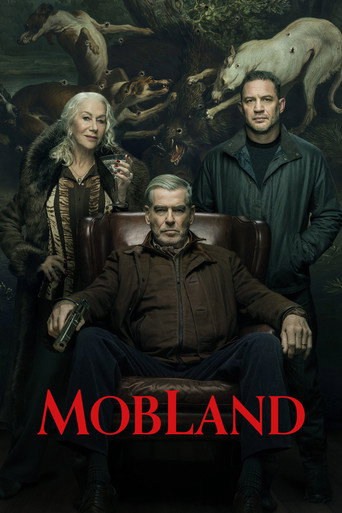
Harry Da Souza sticks by Kevin Harrigan for one simple reason: their bond was forged in the shared trauma of juvenile detention, long before the Harrigans ever started treating loyalty like a commodity. The real tragedy of Season 1 in *MobLand* is watching Harry slowly realize that keeping Kevin safe means putting his own wife and kid right in the crossfire of the Harrigan empire.
The Prison Bond: Why Kevin Trumps Conrad
You really have to keep that in mind to make sense of everything Harry does this season. Conrad works under the assumption that Harry's loyalty is bought and paid for by the family bankroll.
He expects the obedience of an employee, while Harry is operating with the fierce devotion of a brother to Kevin. So when Conrad's grip on power starts slipping, he naturally assumes Harry will just fall in line behind whoever signs the checks, completely missing what actually drives him. When Harry refuses to play along with the family's shifting internal politics, he is not rebelling; he is just showing that his allegiance never belonged to the organization in the first place.
The Fixer's Trap: Inside the Business, Outside the Blood
Harry is stuck in an impossible spot within the Harrigan machine: he knows enough about their operations to be completely indispensable, yet he will never actually be blood. The family leans on him to clean up every mess they make, while shutting him out of the terrible decisions that cause those disasters in the first place.
You really see this play out in the way Conrad, Maeve, and Eddie treat him. They expect his total discretion and need him to step in physically whenever talks break down, yet they are quick to pull the family card whenever it suits them. The Harrigans act with this reckless sense of entitlement because they know Harry is always there to absorb the fallout from their temper tantrums.
His competence basically bankrolls their worst impulses. The better he gets at putting out their fires, the less reason they have to actually control themselves. At a certain point, Harry is not just solving their problems; he is enabling their dysfunction by shielding them from the real-world consequences of their own actions.
The Kat Alternative: Refusing the Clean Way Out
Bringing Kat McAllister into the mix gives us the ultimate test of where Harry's head is at. Kat runs a totally different kind of operation: a massive, international enterprise that is worlds away from the petty grudges and family drama of the Harrigans.
When Kat offers Harry a job, she is handing him a clean getaway from a sinking ship. She sees how good he is and offers him a setup where his skills would actually be respected professionally, rather than exploited emotionally.
Turning her down in the season finale, "The Beast in Me," is the exact moment Harry's loyalty shifts from admirable to downright fatalistic. He walks away from a lucrative, relatively stable gig because taking it would mean leaving Kevin behind. That choice proves Harry does not care about money or climbing the ladder; every move he makes is dictated by a bond he simply cannot bring himself to break, even when walking away is blatantly the smartest play.
The Cost of Loyalty: Protecting Jan vs. Exposing Her
The biggest irony of Harry's whole arc is that his devotion to Kevin ends up putting the family he is actually responsible for in mortal danger. Harry tries hard to keep his two worlds separate, drawing a line between his day job as a fixer and his life as a husband and father. He genuinely thinks he can manage the risk, giving Jan and Gina a comfortable life while keeping them insulated from the violence that pays for it.
The season finale blows that illusion right out of the water. After turning down Kat and essentially chaining himself to the Harrigans' escalating war, Harry heads back to his place in the Cotswolds. The blowup with Jan that follows, ending with her stabbing him in the chest, is the inevitable fallout of everything he has chosen.
He brought the chaos of the Harrigan empire right into his own kitchen. The threat did not show up as a rival crew kicking down the door; it built up from all the lies and compromises he made to keep Kevin safe. His loyalty to his friend ended up destroying the safety of his own home.
Where to Go Next: Deconstructing the Fixer
The Harrigans might have survived the war, but the damage done to Harry's own household leaves him on pretty shaky ground going forward. If the messy loyalty, the exhaustion of being the cleanup guy, and the self-destructive nature of crime families are what hooked you, a few other shows dig into that exact same territory:
If you like the specific tension of a hyper-competent guy trying to wrangle a volatile, unpredictable family, the long-running crime series Ray Donovan is built entirely around a fixer whose professional skills are constantly undercut by his own relatives' disastrous choices.
For a wider look at how a crime family operates when the boss starts losing his grip, The Sopranos remains the gold standard for exploring the psychological toll of juggling home life with organized crime.
If the brutal, unforgiving politics of the London underworld are what drew you in, the high-octane drama Gangs of London cranks up the violence and backstabbing that erupt in the power vacuum after a crime boss gets murdered.
Finally, for another period take on family loyalty and the bloody price of ambition, Peaky Blinders follows a clan whose bonds are constantly pushed to the breaking point by the very power they are fighting to hold onto.