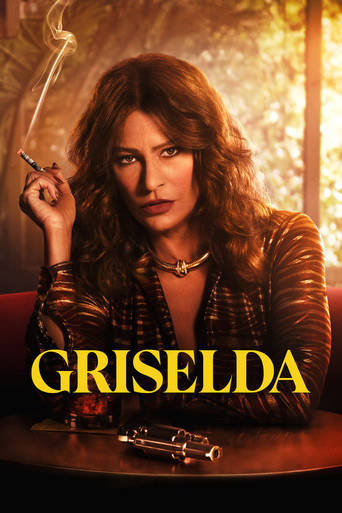


Sofia Vergara Griselda Transformation: Designing Paranoia
The prosthetic nose and fake teeth only tell half the story. How makeup, posture, and camera texture map the paranoid collapse of Miami's Godmother.
KinoShelf Journal · · 3 min read
Sofia Vergara’s physical transformation in Griselda is not an attempt to perfectly clone the real cocaine godmother, but a calibrated design to map a psychological collapse. By combining a three-hour daily prosthetic process with shifting camera textures, the series uses her changing face to turn the pursuit of public control into visible, haggard paranoia. The physical alterations act as a timeline of her internal decay.
Why Exact Impersonation Was Rejected
The design team explicitly avoided turning Vergara into a museum-wax replica of the real historical figure. The primary goal was to erase her highly recognizable comedic television persona without crossing into distraction or caricature. Creating an exact duplicate of Blanco was dismissed in favor of making the actor look markedly different from herself, allowing the performance to construct a believable woman of the 1970s rather than a rigid imitation.
What the Nose, Teeth, Brows, Wigs, and Posture Change
Erasing the actor required a daily three-hour preparation focused on altering her natural facial geometry. The application relied on a prosthetic nose, thinned period-appropriate eyebrows, and a set of upper fake teeth. Initially, lower fake teeth were also applied, but they were promptly removed because they impaired her speech.
Five distinct wigs were cycled through to track the timeline, specifically styled to look flat and practical rather than overly stylized. To complete the physical shift, Vergara adopted a hunched, guarded posture to mimic a shorter stature, fundamentally burying her natural screen presence beneath the weight of the character's ambition.
How the Look Darkens With Paranoia
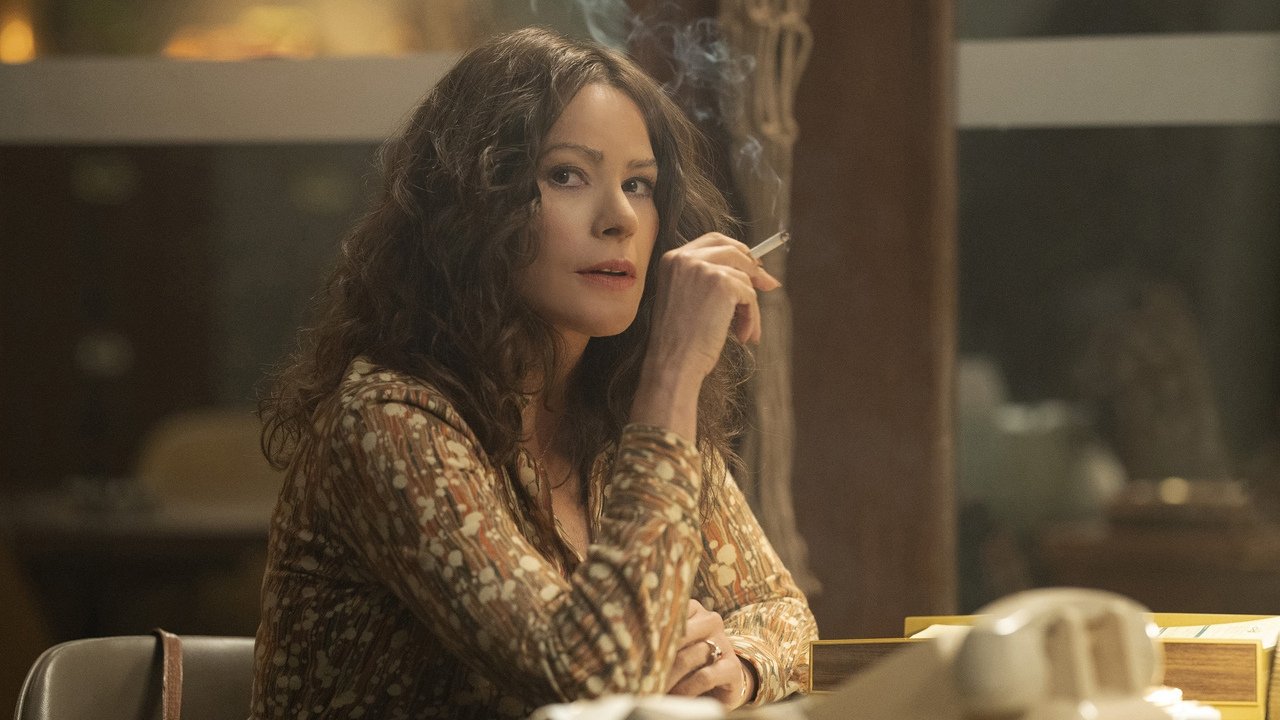
As the cartel leader's grip on Miami tightens and eventually fractures, her beauty makeup curdles into a map of exhaustion. In the early episodes, the period makeup reflects a woman trying to project authority, utilizing structured cosmetics to build a pristine armor.
But as paranoia sets in, the makeup strategy shifts entirely. The artists introduced severe hollowing and darkening around the eyes and cheeks. Instead of simply applying standard old-age makeup, the design created a deeply haggard, eroded appearance that externalizes her internal panic and isolation.
How Costume and Camera Separate Public Power From Private Collapse
The physical prosthetics are supported by a deliberate visual divide between the golden years of her rise and the bleak reality of her fall. A restrained period costume strategy grounds the character in the era without relying on excessive mob-wife glamour, keeping the focus on her ruthless pragmatism.
To visually reinforce the psychological shift, the production utilized distinct camera and color treatments for the 1979-1980 era compared to 1983. The earlier timeline is captured with warmer, richer textures, while the 1983 period shifts to a harsher, isolating look that exposes the decay of her empire and the hollowed-out face of its leader.

Where Vergara's Performance Does More Than Makeup
Prosthetics and distinct camera stocks provide the architecture of a hardened criminal, but the transformation ultimately relies on the physical tension held in the actor's body. Vergara maintains a rigid, defensive physicality that heavy makeup alone cannot achieve.
Debates over how accurate Griselda is and what Netflix changed and why often focus on the historical timeline, but the show's most crucial adaptation choice is this physical performance. The deliberate postural changes and restricted facial expressions communicate a constant state of calculation, proving that the best transformations prioritize emotional truth over exact biographical resemblance.