

Primitive War VFX: How Puppets and Real Jungles Built the Dinosaurs
How director Luke Sparke combined Queensland rainforests, practical Utahraptor puppets, and digital dinosaur models for his brutal 1968 Vietnam creature feature.
KinoShelf Journal · · 5 min read
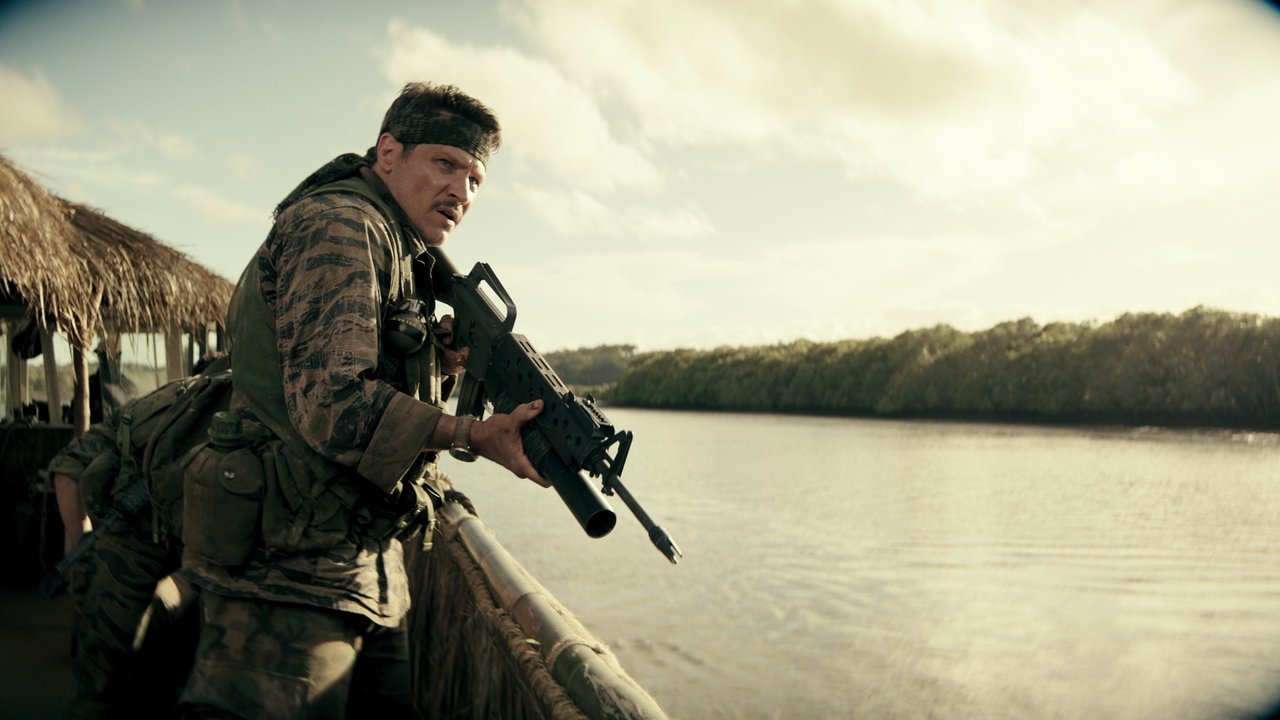
Primitive War shot its Vietnam jungle scenes around Australia's Gold Coast, anchoring its visual effects in real mud and unpredictable weather. Director Luke Sparke pulled off that gritty, lived-in look by putting practical Utahraptor puppets and motion-marked performers right into the terrain alongside the cast, then fitting the massive digital dinosaurs into those actual physical landscapes.
- Primary location: Gold Coast, Queensland, Australia (standing in for Vietnam).
- On-set creatures: Practical Utahraptor puppets and motion-capture performers.
- Military advisor: Dale Dye.
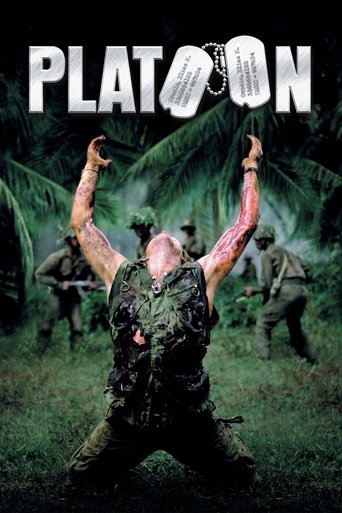
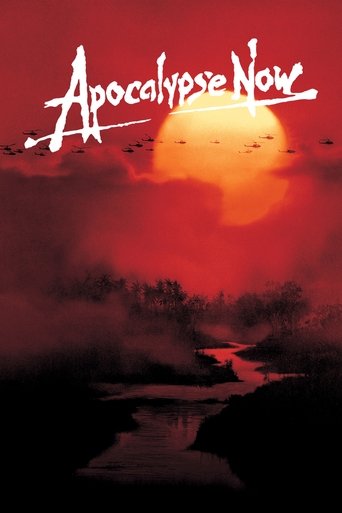
- Visual references: Platoon and Apocalypse Now.
Why Australia Stood In for a Vietnam Valley
If you want a creature feature to feel like a visceral war movie, the environment itself has to push back against the characters. Rather than hiding inside climate-controlled soundstages, the production headed out into the wild around Queensland's Gold Coast. Actor Tricia Helfer pointed out that the area's rugged terrain and thick humidity were a dead ringer for the dense jungles of 1968 Vietnam. Out there, the cast and crew had to deal with genuine location headaches - pouring rain, deep mud, and the challenge of navigating physically built Russian bases.
Trudging through real jungle changes everything about how actors move, breathe, and carry their gear. When soldiers slip on wet leaves or fight their way through tangled brush, you aren't watching acting; you're seeing real physical exhaustion. That kind of friction builds a baseline of realism you just can't fake. By dropping the cast into genuinely uncomfortable, unpredictable weather, Sparke made sure the human side of the screen felt completely authentic before a single dinosaur was ever added in post.

Utahraptors on Set: Puppets and Motion Performers
The moment humans and prehistoric predators collide is usually where creature features lose their sense of weight. Nobody wants to watch actors swinging wildly at empty air, so Sparke leaned on practical effects for the movie's smaller threats. The crew built full physical Utahraptor puppets and brought in motion-marked performers to act out the close-quarters attacks right on set.
Having something real to react to gave the cast immediate, physical cues to play off of. When a raptor bursts out of the undergrowth, the actors are actually pushing back against real weight and momentum. Those motion-marked performers gave them true eyelines and genuine physical resistance, letting the camera catch real panic and strain.
Even in shots where digital models later replaced or enhanced the practical work, the core physics of the moment stayed rooted in reality. You simply cannot fake the way an actor's muscles tense up when they're blocking a real physical strike on a green screen.
Fitting Digital Giants Into the Real Jungle
Puppets work great for raptors, of course, but bringing massive apex predators into a thick forest takes a completely different game plan. The biggest dinosaurs in the movie, including the T. rex, had to be built digitally, yet they hold up on screen because the team meticulously matched them to the real filmed locations. As Sparke has explained, having actual sets, real dirt, and natural canopy light gave the VFX artists crucial reference points to work from.
Instead of building a fake digital world from scratch, the effects crew had to match the dinosaurs' textures to the real mud and harsh sunlight already captured in-camera. Filming in an actual jungle means dealing with messy, unpredictable leaf shadows, heavy moisture in the air, and uneven ground.
So when a massive dinosaur steps into the frame, it's interacting with the exact same terrain the actors were just walking across. Real-world light dictates how shadows fall across a digital snout, and the physical sets show how the surrounding environment breaks apart. It keeps the giant creatures from ever looking like shiny CGI models pasted onto a flat background.

The Dinosaur Designs: Feathers and Museum Skulls
Primitive War takes scientific accuracy seriously - at least as a guiding design goal - which immediately sets its look apart from other big dinosaur franchises. Staying true to Ethan Pettus's book and comic, the Utahraptors are fully feathered. While that's a great nod to the source material, it also creates a massive technical headache. Animating wet, mud-caked feathers brushing against jungle plants is notoriously tough for VFX teams, requiring heavy physics simulations just to get the plumage looking properly matted down by the humidity.
For the massive apex predators, the design team went straight to paleontology. Sparke used real museum skeletons and skull references to map out the film's T. rex. By layering the digital model over an anatomically accurate bone structure, the animal moves with believable weight and mass instead of exaggerated movie-monster physics. All of these choices work together to frame the dinosaurs not as mutated sci-fi freaks, but as living, breathing animals violently dropped into the middle of a human war.

Building the Gritty War-Film Look
At its core, the story is a military rescue mission, and taking that premise dead seriously is what allows the sci-fi elements to actually work. Sparke looked to Platoon and Apocalypse Now as his main visual touchstones, chasing the sweat, paranoia, and tactical grit of classic Vietnam war movies. To make sure the squad's movements looked authentic, legendary veteran and technical advisor Dale Dye came aboard to consult on the shoot.
Having Dye on set meant the Vulture Squad actually carries themselves like a tight, well-trained unit rather than a bunch of disposable horror-movie victims. Their formations, the way they handle weapons, and how they communicate are all rooted in real military doctrine.
That discipline creates a great contrast once prehistoric hunters ambush them. Plenty of other movies like Primitive War rush right past the military setup to get to the monster action, whereas this one slows down just enough to prove these soldiers actually know what they're doing.
Because the squad treats the jungle like a real combat zone, the sudden shift into a creature hunt feels genuinely jarring. And by the time they face the final creature swarm, the real gut-punch comes from watching textbook military tactics fall apart against an enemy playing by completely different rules.