
Monster: The Lizzie Borden Story Ending Explained + 4 Next Watches
The finale uses Aileen Wuornos to reframe a historical acquittal. Here is what the series changes, plus four true-crime dramas to watch next.
KinoShelf Journal · · 3 min read
The finale of Monster: The Lizzie Borden Story uses a historical acquittal not to close the case, but to explore its central thesis: whether killers are made or born. By ending with the execution of a modern serial killer rather than Borden's courtroom victory, the series makes the 1893 verdict part of its question rather than a definitive answer.
Quick Facts:
- The Murders: The axe murders of Andrew and Abby Borden are covered in episodes 4 and 5.
- The Trial: The courtroom proceedings are the focus of S1E7, titled "The Trial of the Century" (released 2026-09-17).
- The Verdict: The real Lizzie Borden was acquitted in court, forcing the series to rely on heavy speculation.
- The Finale: S1E8, "Carnival" (released 2026-09-17), concludes the season with the execution of Aileen Wuornos.
What the Acquittal Resolves (And What It Doesn't)
The courtroom verdict of "not guilty" functions as a starting point for the narrative rather than a resolution. The series is not built as a conventional whodunit. It uses the historical acquittal to ask how a public verdict can coexist with a private story that cannot be documented. Its Victorian household is deliberately oppressive, but its version of Lizzie's motives remains dramatic invention rather than a substitute for the historical record.
The Aileen Wuornos Parallel
The cross-timeline framework connects two distinct eras of American crime to return to the anthology's question of how killers are formed. Episode 4 introduces Aileen Wuornos, and the finale turns that parallel into a speculative thematic crossover. The connection is the show's argument, not evidence about either woman's real life.
Historical Record versus the Series' Invention
The show requires significant speculation to fill the gaps left by the 1893 acquittal, prioritizing thematic resonance over documented fact. While the trial itself is a matter of public record, the narrative takes liberties to map the psychology of a woman trapped in a cruel household. The specific dynamics of Lizzie's relationships, the plotting of the murders, and the direct connections to later true-crime figures exist firmly in the realm of dramatic invention. The gap between courtroom transcripts and private reality is a common engine for dramas where history turns unstable, allowing the showrunner to use an unresolved past to make a modern argument about agency and violence.
Dramas Built on Historical Uncertainty
If the tension between a public record and private speculation is the draw, these true-crime series use ambiguity to ask different questions about guilt, evidence, and public mythology.

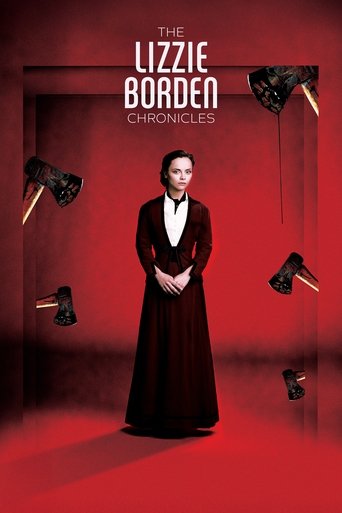
The Lizzie Borden Chronicles (2015) fictionalizes Lizzie's life after the acquittal. It is the closest card here for viewers who want to stay with the Borden mythology, while accepting a more overtly invented follow-up rather than a historical reconstruction.

Love & Death (2023) dramatizes a 1980s Texas case involving Candy Montgomery, an extramarital affair, and an axe murder. It is the closest choice for readers who want another domestic true-crime drama with a courtroom dimension, but in a different period and social setting.
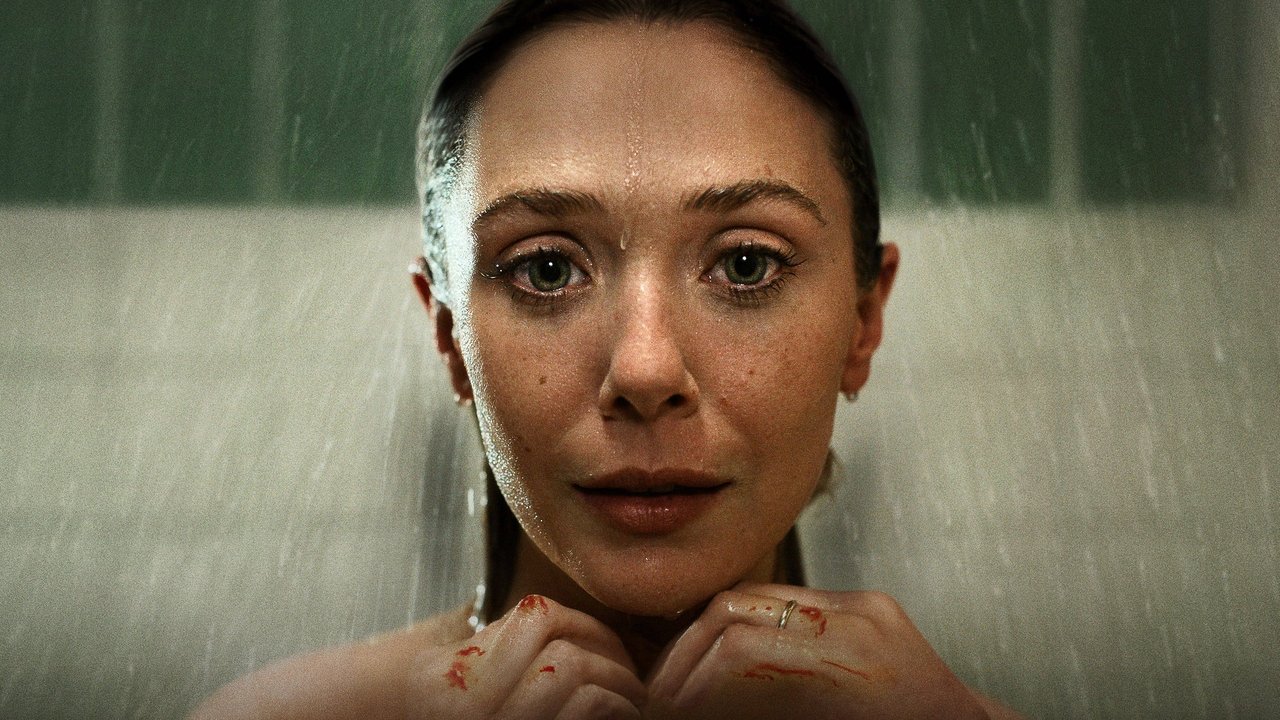

Candy (2022) dramatizes the same Candy Montgomery case as Love & Death. Its domestic setting and murder-trial premise make it a useful companion for viewers interested in how different screen versions shape a real case.

Dark Angel (2016) returns to Victorian England for a dramatization of Mary Ann Cotton. It swaps the Borden case's axe-murder imagery for poison, but keeps a period setting and a woman at the center of a true-crime story.