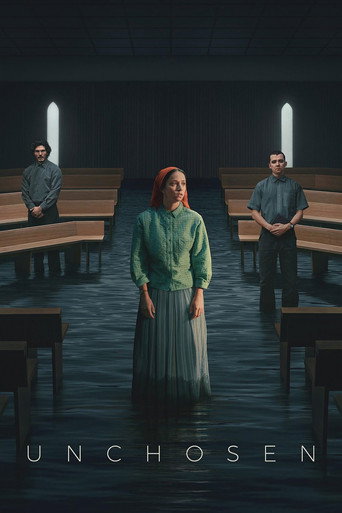

Is Unchosen Based on a Real Cult? The True Story Inspiration
The Fellowship of the Divine is fictional, but the trauma of its characters comes from real survivor accounts. Here is what the creators confirmed.
KinoShelf Journal · · 4 min read
If you've watched Unchosen and found yourself wondering which real-life group the Fellowship of the Divine is based on, the short answer is: none of them specifically. The cult itself and the characters are entirely made up.
The series isn't a thinly veiled takedown of one particular sect, but it hits so uncomfortably close to home because it’s built out of real survivors' lived experiences. The writers pieced together actual accounts of trauma, psychological isolation, and coercive control to craft something that feels authentic without acting as a legal stand-in for any single headline-making organization.
- Creator: Julie Gearey
- Premise: A fictional story woven from real survivor accounts, rather than a direct true-crime adaptation.
- Key research areas: Repressed sexuality, using alcohol as a control mechanism, and deep-seated behavioral conditioning.
What Julie Gearey Made Up vs. What She Borrowed
The idea for Unchosen didn’t start with an undercover investigation; it came from a random everyday moment. Julie Gearey was at a grocery store when she spotted a young woman dressed in traditional, modest clothes, surrounded by several kids.
Standing there in her own everyday clothes, Gearey couldn’t stop thinking about the massive gulf between her own secular life and this woman's cloistered world. That brief encounter sparked the idea of a sheltered mother crossing paths with an outsider, which eventually evolved into the fictional triangle of Rosie, Adam, and Sam - a setup designed to explore just how much pressure it takes to push someone past the breaking point and out the door.
To flesh out the Fellowship, Gearey spent time reading through forums and social media spaces where ex-members of various high-control groups share their stories. She was careful not to lift one specific person's life or copy any single church's exact theology. The goal was to capture the emotional reality of leaving - the grief, fear, and disorientation - without turning the story into a game of identifying real people.
The Real Trauma Behind the Fellowship's Punishments
A lot of the show’s tension comes from the weird, hypocritical ways the community enforces its rules, which Gearey pulled directly from patterns shared by people who escaped real-world sects.
Why Asa Butterfield's Performance Feels Like a Documentary
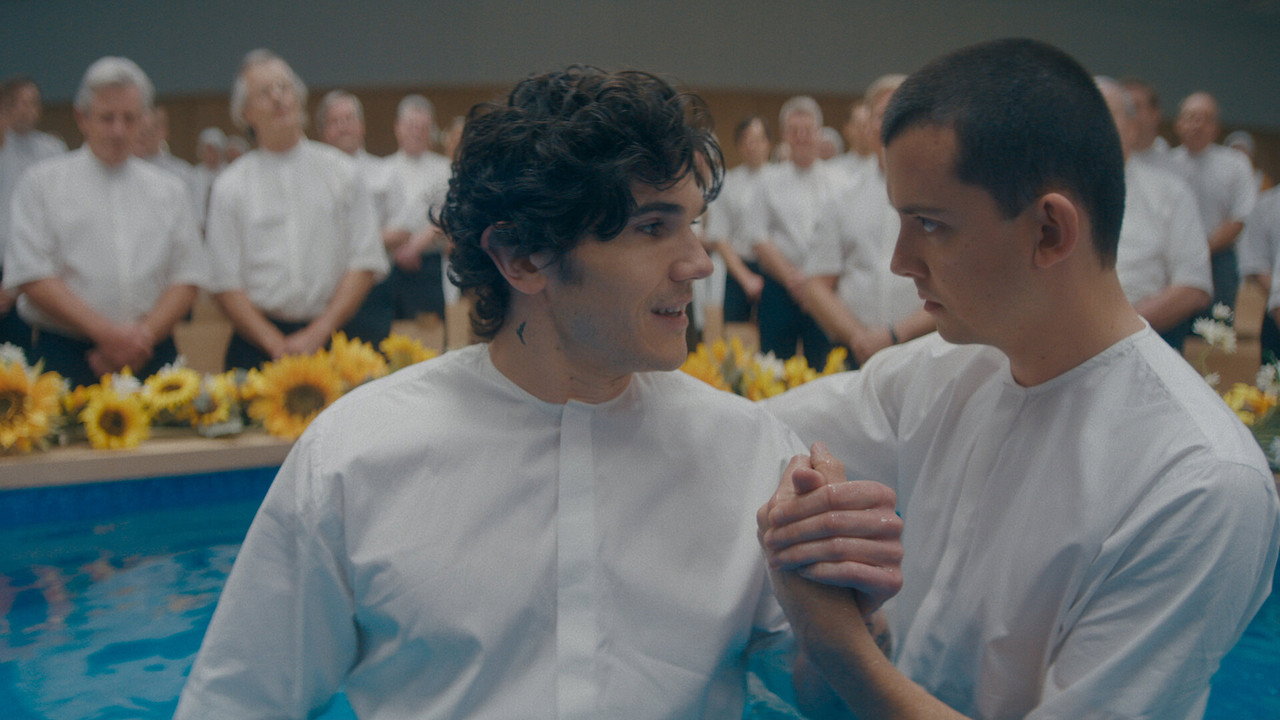
A big reason the Fellowship feels so tangible is how Asa Butterfield approaches Adam physically, ditching over-the-top melodrama for pure, unsettling restraint. Butterfield has mentioned watching a 2020 BBC documentary on a radical Christian sect to prep for the role, zeroing in on one particular man in the footage. He noticed how stiff and mechanical the man’s movements were, carrying this constant, quiet dread of making a single wrong move.
That specific physical choice is why Adam feels less like a typical TV bad guy and more like someone you’d see in raw, unedited footage. His rigid, locked-down posture shows the toll of living under 24/7 scrutiny. He isn't trying to copy that real-world group's specific beliefs; he’s simply capturing what it looks like when a human body has spent years bracing for punishment.
Where Resemblance Stops
Because the Fellowship looks and feels so familiar, viewers have spent a lot of time trying to pin a real label on them. A lot of online theories point toward the Plymouth Brethren, pointing out the modest attire, the total separation from mainstream society, the ban on modern gadgets, and the brutal reality of excommunication.
The visual similarities are definitely there, but Unchosen isn't an unauthorized look at the Brethren or anyone else. The production purposely avoided quoting real bylaws, actual sermons, or specific historical controversies. Trying to match the Fellowship line-by-line to a real group kind of misses the point: high-control groups around the world all end up using the exact same playbook of isolation, information blackout, and unchecked authority.
If you spend the whole series trying to figure out which church is being called out, you risk overlooking the broader point. The series is about the mechanics of coercive control itself, showing that while dogmas differ, the architecture of abuse always looks remarkably the same.
The Final Leadership Change in the Fellowship
The real driving engine of the story is watching how power moves through a closed-off room when things start falling apart. A community like that only survives as long as someone can hold onto the reins, and that final shift at the top shows just how fragile the Fellowship really was all along. Watching how control changes hands makes Sam stepping into the lead such a gripping puzzle, driving home the messy truth that breaking out of a closed system often just clears the way for someone else to step in.