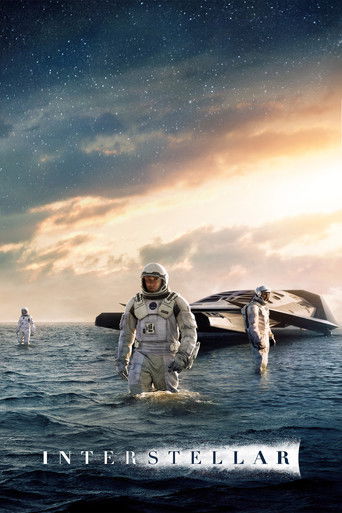


Interstellar Ending Explained: The Tesseract, the Watch, and Murph
A clear breakdown of the tesseract, the causal time loop, and why the final reunion makes lost time the story's true cost.
KinoShelf Journal · · 5 min read
The conclusion of Interstellar adheres to strict causal mechanics, even if the timeline appears fragmented on initial viewing. Disparate narrative threads coalesce into a single closed causal loop, though the complete structure becomes clear only during the finale. The finale offers no narrative reset; the story treats lost shared time as the permanent cost of human survival.
Which Messages Cooper Sends and When
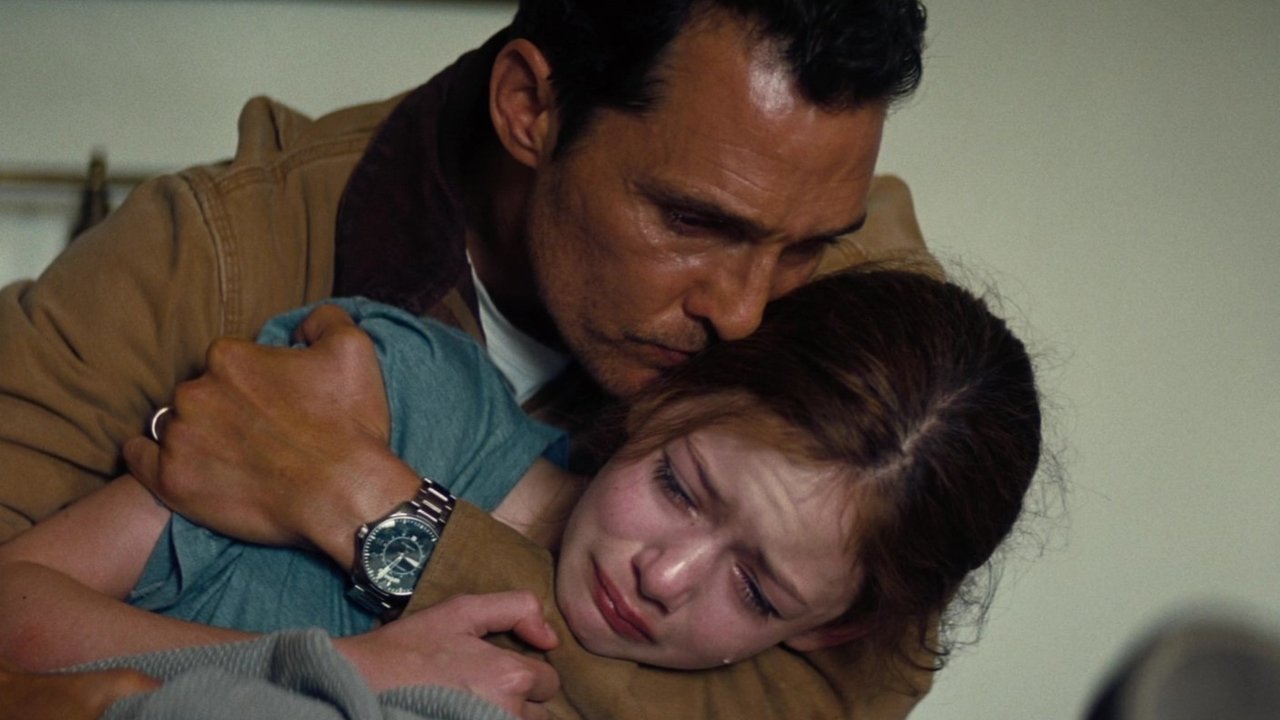
The ending connects three seemingly random occurrences from earlier in the narrative to the exact same person. The order of these transmissions matters substantially more than it initially appears. When Cooper first drops into the space behind the bookcase, his initial reaction is driven entirely by panic and grief.
This story has 5 spoiler sections.
Why the Watch Matters to Plan A
A simple childhood keepsake becomes the physical vehicle for solving an otherwise intractable physics problem. Plan A, lifting humanity off a dying Earth in massive space stations, was impossible unless NASA could understand the behavior of gravity within a singularity. Because the tesseract renders time as a traversable spatial dimension, Cooper can interact with specific moments in his daughter's room through gravitational pulses. Once TARS records that quantum data inside Gargantua, Cooper must pass the equations to an adult Murph decades in the past.

Who Built the Tesseract (and What Remains Speculative)
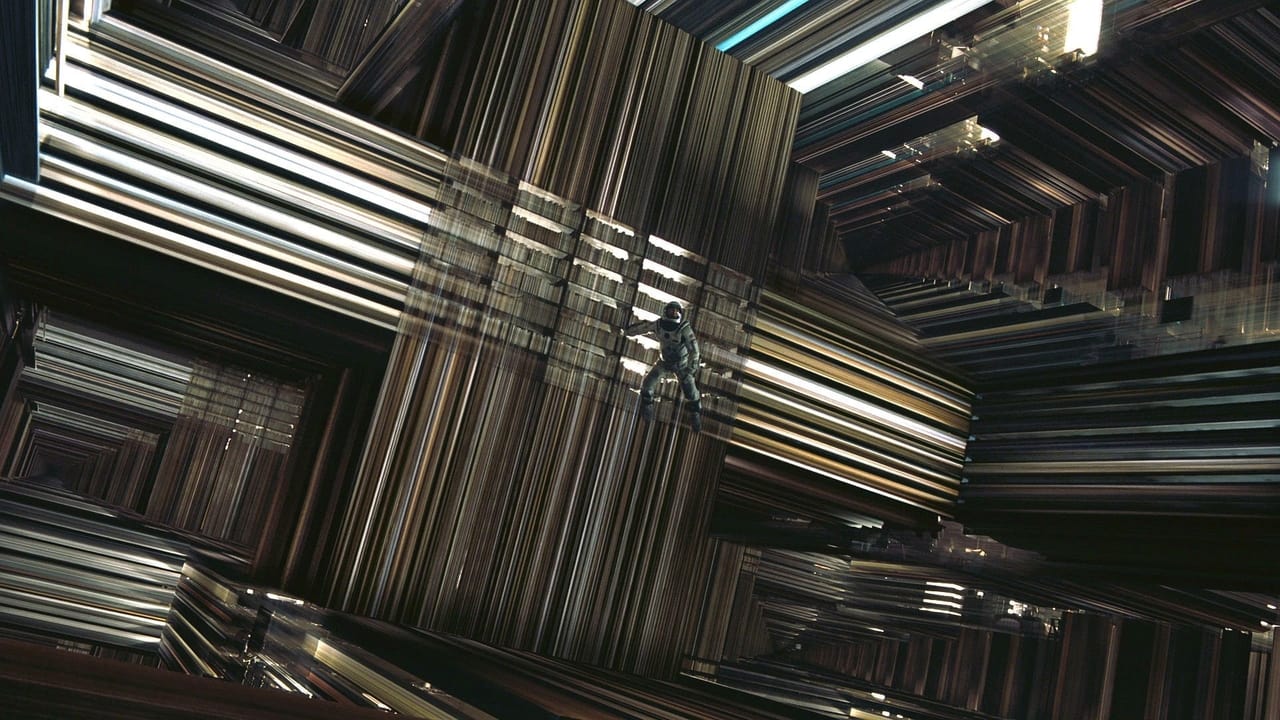
The tesseract gives the causal loop a physical manifestation, even as the narrative leaves room to examine its architects and theoretical liberties. Cooper identifies the architects directly during the sequence: they are humans from a distant future who mastered gravity and evolved into five-dimensional beings. Because five-dimensional entities cannot interact directly with four-dimensional observers without overwhelming human sensory limits, they construct the tesseract inside Gargantua as an interpretable interface.
The structure projects time as a navigable three-dimensional lattice linked to Murph's bedroom, allowing Cooper to locate specific moments and apply gravitational forces. The film takes creative license regarding how a human body survives the gravitational forces near a singularity, prioritizing thematic resolution over relativistic destruction.
What Murph's Final Request Means
The eventual reunion between father and daughter is deliberately brief, balancing their cosmic achievement against human frailty. By the time a search vessel recovers Cooper near Saturn and brings him aboard the habitat named after his daughter, Murph is an elderly woman surrounded by her descendants. The loop has concluded and humanity survives, but the decades Cooper lost remain permanently unrecoverable.

Where Brand Stands at the End
The final sequences leave Amelia Brand's situation open rather than offering a total resolution. During the third act, Brand committed the remaining fuel of the Endurance to a gravitational slingshot around Gargantua to reach the third candidate world. Undergoing severe time dilation during the maneuver, Brand arrives on Edmunds' world shortly before Cooper awakens on the station.
The story concludes with Cooper commandeering a craft to travel back through the wormhole, transforming a concluded rescue into a new forward expedition.